
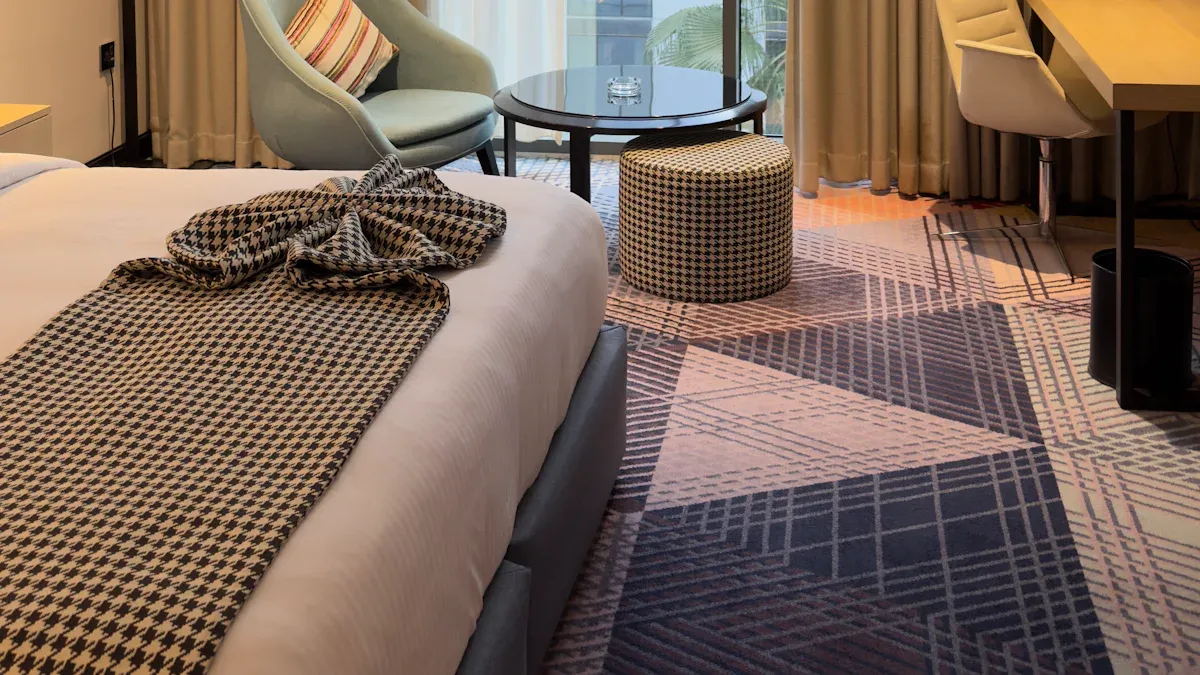
A reliable hotel furniture manufacturer plays a critical role in project success. Selecting the right custom hotel furniture manufacturer directly impacts overall quality, budget adherence, and ultimate guest experience. For instance, a specialized hotel furniture manufacturer for luxury hotels ensures bespoke designs. A proficient hotel furniture manufacturer for 5 star hotels guarantees exceptional standards. TAISEN custom hotel furniture provides tailored solutions, ensuring every piece meets specific project demands. This careful selection of custom hotel furniture elevates a property’s appeal.
Key Takeaways
- Check a manufacturer’s past projects and designs. This shows their experience and ability to make custom furniture.
- Look for strong quality checks and certifications. This ensures the furniture is durable and meets safety rules.
- Choose manufacturers who use sustainable materials and practices. This helps the environment.
- Good communication and clear delivery plans are important. This makes sure your project stays on track.
- Understand the warranty and support after you buy. This protects your investment in the furniture.
Assess Manufacturer Experience for Hotel Furniture Projects

Evaluate Project Portfolio and History
A manufacturer’s project portfolio offers crucial insights into their capabilities. Companies like Andaaz Manufacturing have successfully completed custom casegoods and seating solutions for notable projects. These include the Thompson Hotel in Houston, the Lafayette Hotel in San Diego, and Zelda Dearest in Asheville. They specialize in hospitality projects, covering guestrooms, public spaces, and restaurant areas. Their work encompasses both boutique hotels and large-scale brand programs, as well as renovations and new constructions. Similarly, GoldenHome, a professional contract furniture supplier, provides comprehensive solutions for hotels, resorts, and serviced apartments. Their furniture features in major hospitality developments across Asia, Europe, and North America. Reviewing these past projects helps assess their experience with diverse Hotel Furniture project scales and styles.
Review Design and Customization Capabilities
Effective design and customization are paramount for creating unique hotel environments. Manufacturers offer extensive options to tailor furniture to specific brand identities. They provide high-performance fabrics with minimum 100,000 double rubs, stain-resistant treatments, and moisture barriers. Reinforced hardwood frames, engineered joints, and commercial-grade springs prevent sagging. Decorative elements include hand-applied finishes, accent stitching, and mixed material compositions. Protective features like metal corner guards and replaceable components ensure longevity. Material selection often includes commercial-grade hardwoods, antimicrobial fabrics, and high-resilience foam. Construction techniques feature reinforced corner blocks, mortise-and-tenon joinery, and industrial-grade adhesives. Functional requirements can include built-in USB ports or hidden storage. The design process typically starts with a collaborative consultation. This consultation helps the team understand the client’s brand identity, spatial requirements, and aesthetic preferences. Expert designers then transform concepts into detailed designs and engineering plans. This ensures both artistic flair and structural functionality. This process involves initial discussions, concept development with 3D renderings, material selection, and detailed drawing production for client review.
Verify Industry Reputation and References
A manufacturer’s industry reputation and references confirm their reliability and quality. Checking independent awards or recognitions provides an objective measure of their standing. For example, Modern Line Furniture received a 2025 Global Recognition Award for its leadership, innovation, and service excellence in the commercial furniture manufacturing sector, which includes Hotel Furniture. This award acknowledges their quality, durability, and American craftsmanship. Contacting previous clients directly offers firsthand accounts of their experience. These accounts cover the manufacturer’s service, product quality, and adherence to timelines.
Confirm Production Capacity and Quality Control for Hotel Furniture
Verify Manufacturing Scale and Efficiency
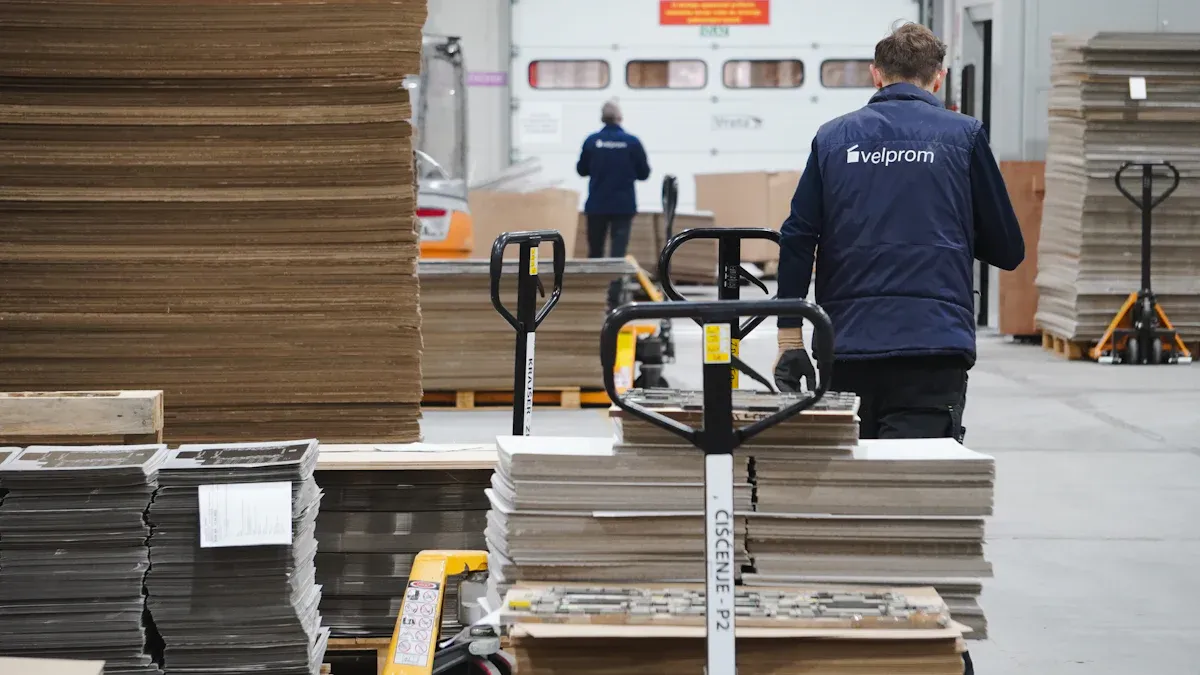
A manufacturer’s production capacity directly impacts project timelines. Manufacturers employ advanced strategies to ensure efficiency for large hotel orders. They utilize Lean Manufacturing to optimize workflow and eliminate waste. This approach streamlines production and controls costs. Quality Response Manufacturing (QRM) also reduces lead times and increases productivity across the organization. This includes planning, purchasing, and supply chain management. Furthermore, Just-In-Time (JIT) production minimizes waste and storage needs by ordering parts only as required. These methods ensure timely delivery for extensive projects.
Examine Quality Assurance Processes and Certifications
Robust quality control is essential for durable hotel furniture. Manufacturers implement strict checkpoints throughout the process.
- Material Selection and Inspection: They check wood for warping and upholstery fabrics for fire-retardancy. Metal hardware is tested for corrosion resistance.
- Manufacturing Process Oversight: Precision cutting and assembly ensure structural integrity. They also ensure seamless finishing and reinforced joinery.
- Durability and Performance Testing: Manufacturers conduct weight-bearing tests on chairs and tables. They also perform impact resistance tests and cycle testing for hinges.
- Safety & Compliance Checks: Fire safety compliance for upholstered furniture is verified. They also check chemical safety for paints and finishes.
A reliable manufacturer holds certifications like ISO9001 and ISO14001. These certifications indicate professional capability and commitment to quality and environmental management.
Assess Material Sourcing and Durability
The quality of raw materials dictates furniture longevity. Manufacturers source various materials for Hotel Furniture. These include:
- Hardwood: A fundamental material for durability.
- Engineered Wood: Options like MDF and plywood, often combined with veneer.
- Upholstery Materials: Fabric, leather, and cushion for comfort.
- Marble: Used for glamorous surfaces on tables and cabinets.
- Metals: Brass, steel, and aluminum for structural components.
Manufacturers conduct specific durability tests on these materials. For wood, they use the Janka Hardness Test to measure indentation resistance. Upholstery fabrics undergo the Wyzenbeek Abrasion Test to simulate wear and tear. Metal components are subjected to Salt Spray Tests to assess corrosion resistance. These tests ensure the furniture withstands heavy use in a hotel environment.
Ensure Compliance and Sustainability in Hotel Furniture Manufacturing
Understand Regulatory Compliance and Standards
Manufacturers must ensure all products comply with relevant international and local regulations. They use fire-retardant materials certified to local codes. They also apply non-toxic finishes with low VOC emissions. For safety, they design rounded edges on all guest-contact surfaces. Tall case goods feature tip-prevention designs. Manufacturers conduct structural integrity testing and verify sustainability certification requirements. They also adhere to emissions standards for indoor air quality and ergonomic design principles.
| Furniture Category | Applicable BIFMA Standards | Key Testing Parameters |
|---|---|---|
| Seating | ANSI/BIFMA X5.1 | Durability, stability, load capacity |
| Tables | ANSI/BIFMA X5.5 | Structural performance, leg strength |
| Storage | ANSI/BIFMA X5.9 | Stability, drawer operation cycles |
| Panel Systems | ANSI/BIFMA X5.6 | Functionality, installation integrity |
Product labels include correct model numbers and compliance certifications. Manufacturers visually verify these labels. They also ensure materials meet E1/E0 formaldehyde emissions and flame-retardant requirements for global compliance. Many hold ISO9001, FSC, and BSCI certifications.
Prioritize Sustainable Practices and Certifications
Leading manufacturers prioritize sustainable practices. They utilize organic fabrics like cotton, wool, and hemp. These materials have minimal environmental impact. Bamboo is a fast-growing, self-regenerating resource. Manufacturers use it for wood-like substances and fabrics. They source sustainable wood from managed forests, such as pine, white ash, oak, and maple. Cork is another renewable resource. It is lightweight, durable, and a good insulator. Manufacturers use it in headboards and nightstands. They also incorporate reclaimed materials like unfinished wood, metals, and glass.
Sustainable manufacturing processes include low-VOC finishes and adhesives. These reduce harmful fumes and ensure healthier indoor air quality. Examples include clear water-based varnishes and plant-based adhesives. Manufacturers also employ zero-waste and low-energy production techniques. CNC cutting minimizes material offcuts. Some factories use solar power to reduce carbon footprints. Sara Hospitality, for example, holds Forest Stewardship Council (FSC) certification for responsible forestry. They also have GREENGUARD for air quality and LEED for overall sustainability.
Evaluate Financial Stability and Contract Terms
Assessing a manufacturer’s financial stability is crucial. This ensures they can complete large-scale projects. Contracts typically include specific payment terms. Payments align with production stages. These often include an initial deposit, a mid-production payment, and a final payment before shipment. Manufacturers may offer extended supplier credit or progress payment options. This helps manage the buyer’s cash flow. Contracts also include unit pricing structured by volume tiers.
Key contract clauses cover sample approval and manufacturing lead times. They also define penalties for delayed delivery. Comprehensive warranty terms are an essential part of the agreement. Buyers typically have the right to conduct pre-shipment inspections (PSI). Holdback clauses protect against the delivery of non-conforming goods. These terms ensure a smooth and secure transaction for Hotel Furniture projects.
Optimize Communication and Logistics for Hotel Furniture Delivery
Assess Communication Channels and Responsiveness
Effective communication ensures project success. Manufacturers offer various channels for client interaction. Clients communicate directly with suppliers and managers through dedicated platforms. This reduces communication time. An eProcurement platform records all communication data, enhancing transparency and preventing gaps. A unified web portal solution allows clients to report problems and track issue resolution 24/7. This addresses challenges like managing numerous service requests. Manufacturers also provide a dedicated, hospitality-savvy sales team. This team ensures effective communication through industry fluency and multi-stakeholder engagement. They offer value-added proposals and consistent relationship management. Technology and digital tools streamline client interactions. These include online ordering and tracking platforms. Client portals offer access to invoices, order history, and support tickets. Data-driven feedback tools gather real-time feedback from hotel staff. This allows for continuous improvement. Manufacturers prioritize quick responses. For example, MKLD Furniture contacts clients within 24-48 hours of an inquiry. Starjoy Furniture offers 7*24 hours service. They provide a dedicated after-sales service hotline and an online platform for easy contact.
Review Logistics, Shipping, and Delivery Processes
Efficient logistics are crucial for timely project completion. Manufacturers partner with key supply chain players for international ocean and air transport of hotel furniture, fixtures, and equipment (FF&E). PGL (Perimeter Global Logistics) partners with DHL Express for global shipping. This ensures reliable delivery. The total estimated lead time for large-scale orders, excluding installation, ranges from 17 to 40+ weeks. This includes design, prototyping, material procurement, production, quality control, packaging, and shipping. Manufacturers recommend initiating the custom furniture process 9-12 months before the desired installation date. This proactive approach allows ample time for all stages. It also helps avoid last-minute rushes. Clients should factor in buffer time for unexpected delays, especially for international projects.
Confirm Post-Sale Support and Warranty
Comprehensive post-sale support and clear warranty terms protect investments. Some manufacturers provide installation services. They consider logistics like room dimensions and utility requirements. Support includes pre-arranged delivery schedules to minimize disruptions. On-site inspection checks for damages. Installation crews assemble and arrange furniture. STARJOY offers expert advice on material choices and construction methods. This contributes to the long-term maintainability of furniture. Warranty periods for hotel bedroom furniture typically range from 1 to 5 years. This covers defects in materials and workmanship. Structural integrity of casegoods may have extended warranties, sometimes up to 10 years. Upholstered items generally have shorter warranties. Standard warranties cover manufacturing defects and flaws under normal commercial conditions. They do not cover normal wear and tear, misuse, or improper handling. A good contract warranty covers defects, damaged parts, repair, replacement, and freight charges for a documented period, typically 5 years.
Partnering with a reliable hotel furniture manufacturer offers significant strategic benefits. This collaboration ensures efficiency and reliability in the supply chain, reducing risks and increasing product quality. High-quality furniture also leads to long-term cost efficiency, stronger brand positioning, and enhanced guest satisfaction, which drives revenue.
A successful selection process involves evaluating experience, customization capabilities, and material quality. It also assesses production capacity, compliance with industry standards, and transparent pricing. Finally, it considers shipping, delivery, and robust after-sales support. Building lasting relationships with these manufacturers ensures future project success and continued operational excellence.
FAQ
How does a manufacturer’s experience impact a large-scale hotel project?
A manufacturer’s experience ensures project success. They handle complex designs and large volumes efficiently. Experienced manufacturers also anticipate challenges and deliver high-quality products on time. This minimizes risks and keeps projects within budget.
What certifications are important for a reliable hotel furniture manufacturer?
Look for ISO9001 for quality management and ISO14001 for environmental management. FSC certification indicates responsible wood sourcing. GREENGUARD ensures low chemical emissions. These certifications demonstrate commitment to quality, sustainability, and safety standards.
How do manufacturers ensure the durability of hotel furniture?
Manufacturers use robust materials like hardwood and high-performance fabrics. They conduct rigorous tests, including weight-bearing and abrasion tests. Reinforced construction techniques, such as mortise-and-tenon joinery, also enhance longevity. This ensures furniture withstands heavy hotel use.
What sustainable practices should I look for in a furniture manufacturer?
Prioritize manufacturers using organic or reclaimed materials. Look for low-VOC finishes and adhesives. Sustainable practices also include zero-waste production and energy-efficient factories. Certifications like FSC or LEED indicate strong environmental commitment.
What is the typical lead time for custom hotel furniture projects?
Custom projects typically require 17 to 40+ weeks. This includes design, prototyping, material sourcing, production, and shipping. Manufacturers recommend starting 9-12 months before installation. This allows ample time and accounts for potential delays.


