
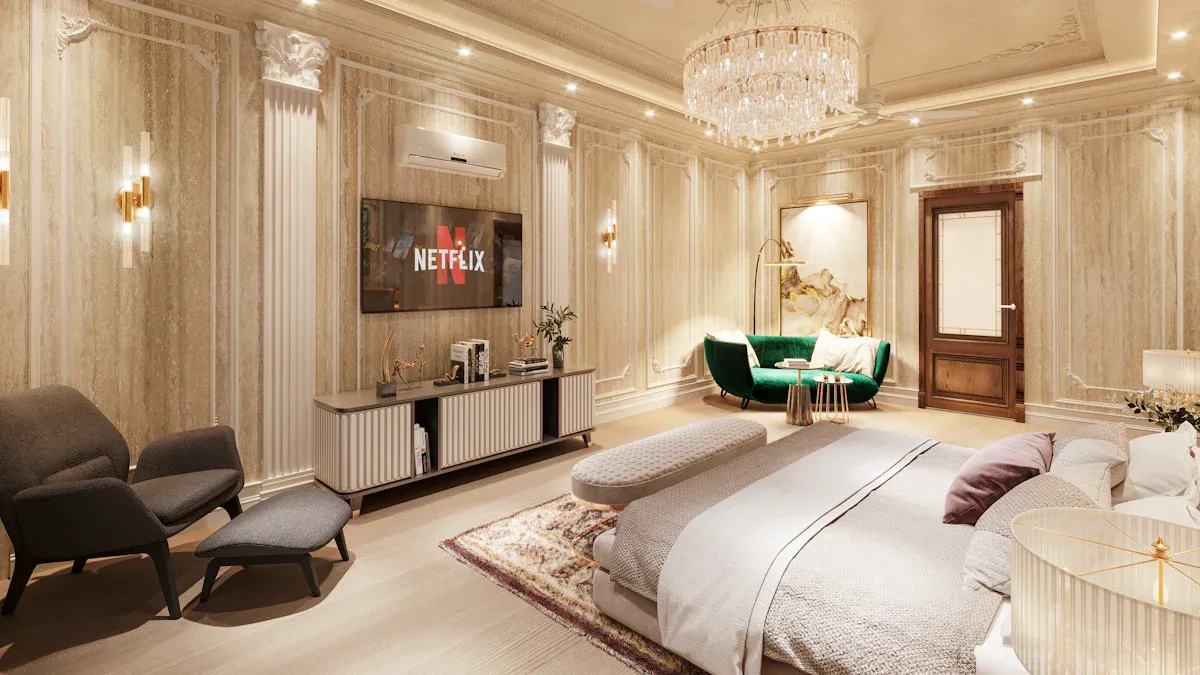
A one-stop hotel project furniture service provides a comprehensive solution for hotel owners. This means a single provider manages every step, from initial design concepts to final installation and ongoing support. The core value of these integrated solutions lies in their ability to deliver high customization and maintain quality control throughout the entire process. For instance, a dedicated Hotel Furniture Manufacturer can ensure custom furniture for boutique hotels perfectly reflects their unique brand identity.
A full-process approach is crucial for project success. It significantly reduces common errors, delays, and overall project costs often associated with complex hotel project furniture. This integrated model also answers the question of "How to choose furniture that matches hotel branding?" by offering expert guidance and seamless execution. As a leading Hotel Furniture Manufacturer, we understand the importance of this comprehensive approach. Our expertise as a Hotel Furniture Manufacturer allows us to streamline the entire process, ensuring your vision comes to life.
Key Takeaways
- A one-stop service manages all steps of hotel furniture projects. This includes design, making, shipping, and setting up the furniture.
- This service helps hotels save money. It makes the process simpler and avoids extra costs from many different companies.
- Hotels get custom furniture designs. These designs match the hotel’s unique brand and look.
- The service provides support after furniture is installed. This includes warranties and help with any problems.
- Choosing a one-stop service lowers project risks. It also makes the whole process less stressful for hotel owners.
Initial Consultation and Vision for Hotel Project Furniture
The journey to furnishing a hotel begins with a crucial first step: understanding the project’s core. This initial phase sets the foundation for all subsequent design and manufacturing decisions. It ensures the final furniture pieces perfectly align with the hotel’s identity and operational needs.
Understanding Project Vision and Requirements
A successful furniture project starts with a deep dive into the hotel’s vision. The service provider works closely with hotel owners and designers. They discuss the hotel’s brand, its target guests, and the overall aesthetic. This includes understanding the desired atmosphere, whether it is modern, classic, or boutique. They also identify specific functional requirements for each area, like guest rooms, lobbies, or dining spaces. This collaborative approach ensures everyone shares the same goals for the hotel project furniture.
Budgeting and Timeline Establishment
Setting clear financial boundaries and project deadlines is essential from the outset. The service provider helps establish a realistic budget that covers design, manufacturing, delivery, and installation. They also create a detailed timeline. This timeline outlines key milestones and delivery dates. It helps manage expectations and ensures the project stays on track. Clear budgeting prevents unexpected costs, and a well-defined timeline avoids delays.
Site Assessment and Feasibility Studies
Before any design work begins, a thorough site assessment takes place. Experts visit the hotel location to evaluate the physical space. They consider room dimensions, architectural features, and existing infrastructure. This study identifies any potential challenges or unique opportunities. It ensures the proposed furniture designs are practical and fit perfectly within the environment. This step guarantees the furniture will be both beautiful and functional in its intended setting.
Conceptualization and Design Development for Hotel Project Furniture

After understanding the project’s vision, the next crucial step involves bringing those ideas to life. This phase focuses on creating detailed designs and selecting the right elements. It ensures the furniture not only looks good but also performs well in a busy hotel environment.
Collaborative Design Process
A successful design process involves close teamwork. The furniture provider works hand-in-hand with hotel owners and interior designers. They deeply understand the unique needs and challenges of hospitality clients. This includes focusing on durability, design harmony, and guest comfort. Providers offer bespoke and scalable product offerings, tailoring customization to fit specific brand identities. They also use technology and digital tools for seamless collaboration. This might include digital catalogs and 3D visualization. Such tools help everyone stay on the same page and make informed decisions.
Material Selection and Finishes
Choosing the right materials is vital for hotel furniture. Materials must withstand constant use while maintaining their aesthetic appeal. For example, quartz is an excellent choice for horizontal surfaces in common areas or reception counters. It resists scratches well. Metal accents can protect dressers and nightstands from corner damage, adding an attractive embellishment. High-pressure laminate (HP laminate) offers a cost-effective and durable surface finish, especially for horizontal areas. Investing in these robust materials extends the lifespan of the furniture, providing many extra years of use.
3D Renderings and Prototyping
Visualizing the final product before manufacturing saves time and resources. Designers create 3D renderings to show how the furniture will look in the hotel space. These renderings can range from simple views to complex lifestyle scenes. The cost for these services varies depending on the complexity. Simple 3D modeling might cost around $40-$60, while highly complex models can reach $220-$400. Lifestyle renderings, showing furniture in a room setting, also have different price points. These digital tools help clients see the design clearly. They allow for adjustments before any physical production begins, ensuring the final hotel project furniture meets expectations.
Manufacturing and Quality Control of Hotel Project Furniture
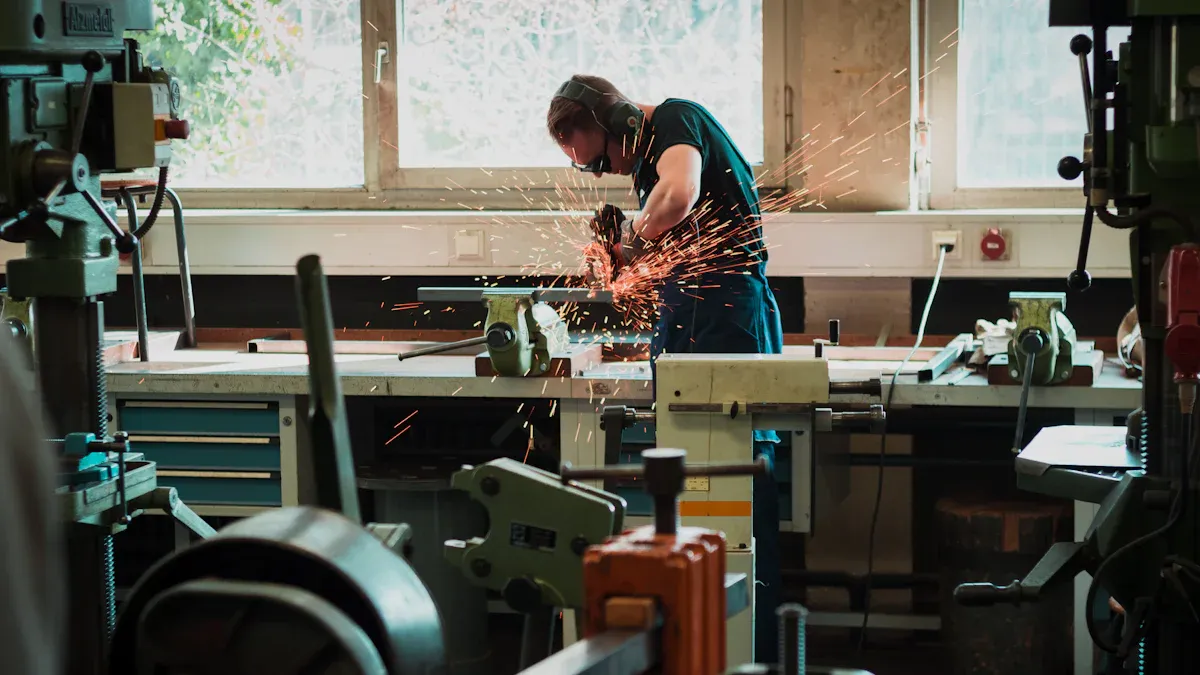
After design approval, the furniture moves into production. This stage combines advanced technology with strict quality checks. It ensures every piece meets the high standards required for hotels.
Advanced Manufacturing Techniques
Manufacturers use cutting-edge methods to build durable and precise hotel furniture. CNC (Computer Numerical Control) machining allows for incredible accuracy. It cuts and shapes materials with precision, creating intricate and consistent designs. This technology also boosts efficiency and handles custom requests well. For example, it creates contour shapes with simultaneous edge banding. 3D printing helps create complex shapes and structures, offering customization and quick prototypes.
The choice of materials also plays a big role. Advanced polymers offer durability and flexibility, resisting heavy use. Metal alloys provide strength without adding too much weight. Manufacturers also use reinforced joints, like dovetail and mortise and tenon, for strong connections. High-strength adhesives and metal brackets further reinforce furniture. Protective coatings add water resistance and UV protection, preventing damage from spills and sunlight. Hotel furniture uses more durable materials than home furniture, such as high-pressure laminate tops, to withstand constant use. Companies focus on engineering furniture for commercial settings, considering stability, weight, durability, and safety.
Quality Control at Every Stage
Quality checks happen constantly during manufacturing. This ensures every piece of hotel project furniture meets strict standards.
- Material Selection and Inspection: This first step involves a careful look at all parts before production. Wood must be free of warping. Upholstery fabrics need fire-retardant and stain-resistant qualities. Metal hardware should resist corrosion. Surface finishes must resist scratches and moisture.
- Manufacturing Process Oversight: Even with good materials, proper production is key. This includes precise cutting and assembly to avoid weak points. Workers apply uniform coatings and sealants smoothly for protection. Reinforced joinery uses high-quality adhesives, screws, or welds for stability.
- Durability and Performance Testing: Furniture must meet industry standards for strength. This involves weight-bearing tests for chairs and beds. Impact resistance tests simulate accidental force. Cycle testing checks moving parts like hinges and drawers. Abrasion and scratch resistance tests check surfaces. Humidity and moisture resistance tests are important for furniture in damp areas.
Sustainable Sourcing and Practices
Responsible manufacturers also focus on protecting the environment. They show their commitment through specific certifications. The Forest Stewardship Council (FSC) certification ensures wood comes from responsibly managed forests. Greenguard certification means products meet strict environmental standards. This includes using eco-friendly materials and production processes. These certifications demonstrate a company’s dedication to sustainable practices.
Logistics and Supply Chain Management for Hotel Project Furniture
Moving furniture from the factory to a hotel site requires careful planning. This stage ensures every piece arrives safely and on time. Effective logistics prevent delays and keep the project on schedule.
Efficient Packaging and Shipping
Proper packaging protects furniture during its journey. Manufacturers consider the furniture’s material and structure. This helps them choose the best packaging. Modular packaging fits snugly into shipping containers. This maximizes space and reduces freight costs. Before items leave the factory, rigorous pre-shipment inspections happen. These checks ensure products meet specifications and have no defects. Workers secure loads with bracing and dunnage inside containers. This prevents shifting during transit. Clear labels show fragile handling instructions and destination details. Photos and videos document the goods’ condition before shipment. This provides evidence if claims arise.
Global Logistics Coordination
Coordinating global logistics involves many steps. Teams plan supply chain transportation early. They use slower, less expensive options like ocean freight when possible. Warehousing acts as a safety net for construction delays. This prevents last-minute storage costs. If delays happen, logistics partners manage communication. They coordinate with all involved parties. Quality assurance happens at each step in the supply chain. This spots issues early and prevents damage. Professional FF&E installation teams handle the setup. They are better than just movers. Manufacturers with integrated solutions reduce communication costs. They improve efficiency and ensure consistent style. They also have extensive export experience and international certifications. This helps them navigate complex logistics.
Timely Delivery to Site
Timely delivery is crucial for project success. Precise shop drawings and sample approvals are important. Timely feedback on physical samples helps production. Factories provide progress reports with photo documentation. Independent inspectors verify finishes and dimensions. Export-grade packing materials protect items. Accurate paperwork prevents customs delays. This includes HS codes and fumigation reports. Teams coordinate delivery so furniture arrives when the site is ready. They label and cross-check items against packing lists. Pre-install inspections check for transit damage. A comprehensive installation schedule helps manage the process. Digital tracking with bar-coded packaging provides real-time updates. This ensures transparency.
Professional Installation Services for Hotel Project Furniture
After manufacturing, the furniture needs expert hands for installation. Professional installation services ensure every piece fits perfectly and functions as intended. This final stage brings the design vision to life within the hotel space.
Experienced Installation Teams
Professional installation teams possess specialized skills. They often have technical training in carpentry or construction. Many hold certifications from trade schools or complete specialized training programs from employers. Safety certifications, like those from OSHA, are also common. These teams handle diverse furniture types, including delicate, high-end pieces. They work efficiently to meet hospitality industry deadlines. Their expertise ensures secure anchoring of furniture, preventing accidents and ensuring longevity. They meticulously place items, aligning with the hotel’s design vision. Reputable companies often provide warranties and ongoing support for their work.
On-site Project Management
On-site project management is crucial during installation. Managers coordinate daily with architects, interior designers, and other project stakeholders. They follow layout plans, respond to design updates, and resolve challenges on site. They finalize punch lists, detailing any necessary repairs and assigning accountability. Project managers also establish a schedule for furniture deliveries. They oversee receiving, inspecting, storing, and installing goods. They document any damages or missing items. Maintaining building security is another key responsibility, especially once expensive furnishings are present. They also communicate closely with brand opening managers, addressing brand-related requirements.
Minimizing Operational Disruption
Minimizing disruption to hotel operations is a top priority. Installers communicate openly with the hotel from the project’s start. They agree on a realistic schedule for deliveries and installation. This helps streamline logistics and reduce interruptions. A detailed "day-of attack plan" ensures smooth execution. Teams often schedule work during low-occupancy periods or non-peak hours. They might stagger restoration schedules and inform guests about potential disruptions. Using quiet restoration methods, like hand-refinishing, also helps. A phased approach, focusing on one area at a time, allows other hotel operations to continue normally. Experienced professionals complete tasks swiftly, using fast-drying materials to minimize room downtime.
Post-Installation and After-Sales Support for Hotel Project Furniture
After the installation is complete, the work is not over. The final steps ensure everything meets expectations and stays in top condition. This includes checking all the details and providing support for the long term.
Final Walkthrough and Punch List
A crucial step after installation is the final walkthrough. The contractor, owner, and design team inspect every area together. They look for any incomplete or incorrect work. For example, they check for scratched furniture or missing hardware. It is a good idea to use blue tape to mark issues directly on site. This makes them easy to see.
The team then compiles a master punch list. This list includes all identified items. Each item gets assigned to the responsible subcontractor with a deadline. Subcontractors then fix their assigned issues. They might repair damaged furniture or adjust installations. The contractor or design professional verifies these fixes. They mark items as resolved. This process ensures everything is perfect before the project officially closes. Owners should bring plans and specifications to compare the finished work. They should also take their time, test functionality, and document any issues with photos.
Warranty and Maintenance Programs
Most commercial furniture comes with a warranty. A standard hotel furniture warranty usually lasts five years. It covers defects, damaged parts, and repair services. It also includes replacement of items and on-site or factory service. However, it does not cover normal wear and tear or damage from misuse. It also excludes issues from improper handling or unsuitable environmental conditions.
The hotel or responsible party must perform routine maintenance during this five-year period. An experienced commercial furniture vendor should outline a plan to protect the furniture. This helps prevent unexpected future costs. Keeping a copy of the warranty helps resolve any disagreements about coverage. A good warranty protects both the seller and buyer. It assures that the furniture is free from defects in materials and workmanship under normal use.
Ongoing Customer Service and Support
Good service continues long after installation. Providers offer ongoing support from client service representatives. These representatives help with any questions or issues that come up. They ensure all furniture meets specifications and quality standards. If any problems arise, they address them promptly. This is especially important while items are still under guarantee. Quick action avoids extra rework expenses. This continuous support helps maintain the furniture’s quality and extends its lifespan.
Key Benefits of One-Stop Hotel Project Furniture Service
Choosing a one-stop service for your hotel’s furniture needs offers many advantages. This approach simplifies a complex process. It also ensures a smoother, more successful project.
Streamlined Communication and Coordination
Imagine managing dozens of different suppliers for one project. It sounds like a headache, right? A one-stop service eliminates this complexity. They provide a single point of contact for all your furniture needs. This means you talk to one team, not many. This simplifies communication greatly. It also reduces misunderstandings and errors.
Think about it: one team handles design, manufacturing, logistics, and installation. They all work together under one roof. This integrated approach ensures everyone stays on the same page. It speeds up decision-making. It also makes sure your vision for the hotel project furniture comes to life exactly as you planned. This unified approach saves time and reduces stress for everyone involved.
Cost Efficiency and Budget Control
Many people think a one-stop solution costs more. However, it often leads to significant savings. How? First, a single provider can offer better pricing. They manage the entire supply chain. This allows them to optimize costs. They pass these savings on to you.
Second, this approach reduces hidden costs. You avoid unexpected fees from multiple vendors. There are no surprises from miscommunications between different companies. A clear, upfront budget covers everything. This makes financial planning much easier. It helps you stay within your budget. It also prevents costly delays that often come from fragmented project management.
Consistent Quality and Brand Integrity
Maintaining a consistent look and feel across all your hotel properties is vital. A one-stop service makes this much easier. They help you standardize operational activities. This ensures every location reflects the same brand identity. This includes visual merchandising and overall aesthetic.
They also centralize communication. This means clear standards reach everyone in the organization. From department heads to staff members, everyone understands expectations. This speeds up new initiatives. Regular audits are also key. These audits catch inefficiencies and measure performance. They use technology and software to automate checks. This ensures consistent standards, even across different hotel formats.
For example, they leverage multi-site reporting. This analyzes data to find areas for improvement. Dashboards show individual property reports. They pinpoint repeat failures or underperforming areas. Standardized facility audits also verify the condition of critical assets. They use digital inspections to check safety and aesthetic standards. This helps identify minor issues proactively. If an issue appears, the system instantly creates a trackable task. It assigns it to the right contractor. This ensures accountability and continuous improvement. This integrated approach guarantees your brand image and customer service expectations remain consistent across all locations.
Reduced Project Risk and Stress
Managing a hotel renovation or new build can feel overwhelming. Many different suppliers, schedules, and details create a lot of chances for things to go wrong. A one-stop furniture service greatly reduces these risks. Think about it: one team handles everything. This means fewer misunderstandings between different companies. It also means fewer delays caused by one supplier waiting on another.
When you work with a single provider, they take on much of the project’s complexity. They manage the entire process from start to finish. This includes design, manufacturing, shipping, and installation. This integrated approach means fewer headaches for you. You do not need to juggle multiple contracts or chase down different vendors. Instead, you have one reliable partner. This partner is responsible for the whole furniture aspect of your project.
Tip: A single point of contact simplifies problem-solving. If an issue comes up, you know exactly who to call. This saves time and prevents small problems from becoming big ones.
This streamlined process also lowers overall project stress. Hotel owners and managers already have many responsibilities. Adding the burden of coordinating complex furniture logistics can be too much. A one-stop service removes this heavy load. They handle the intricate details. This allows you to focus on other important aspects of your hotel business. They ensure the furniture part of your project runs smoothly and efficiently. This peace of mind is invaluable. It helps you avoid costly mistakes and keeps your project on track.
A comprehensive, integrated approach simplifies hotel furniture projects. It offers a strategic advantage. Hotels gain consistent quality and reduced risks. This partnership future-proofs investments. High-quality furniture leads to long-term savings. It also enhances guest comfort. This boosts revenue and strengthens brand identity. Guests notice and appreciate luxury furnishings. This creates positive experiences. Ultimately, a one-stop provider ensures durability, increased revenue, and a strong market position.
FAQ
What does "one-stop" mean for hotel furniture?
A one-stop service handles everything. It covers design, manufacturing, delivery, and installation. This means one provider manages the whole process. They ensure a smooth project from start to finish.
How does a one-stop service save hotels money?
It saves money by streamlining the process. Hotels avoid hidden costs from multiple vendors. A single provider optimizes the supply chain. This leads to better pricing and budget control.
Can hotels get custom furniture designs?
Yes, absolutely! The service offers high customization. They work closely with hotels to match brand identity. Designers create unique pieces. They ensure the furniture perfectly fits the hotel’s vision and aesthetic.
What kind of support do hotels get after installation?
Hotels receive ongoing support. This includes warranties for defects and maintenance programs. Customer service representatives help with any issues. They ensure the furniture stays in top condition for a long time.


