
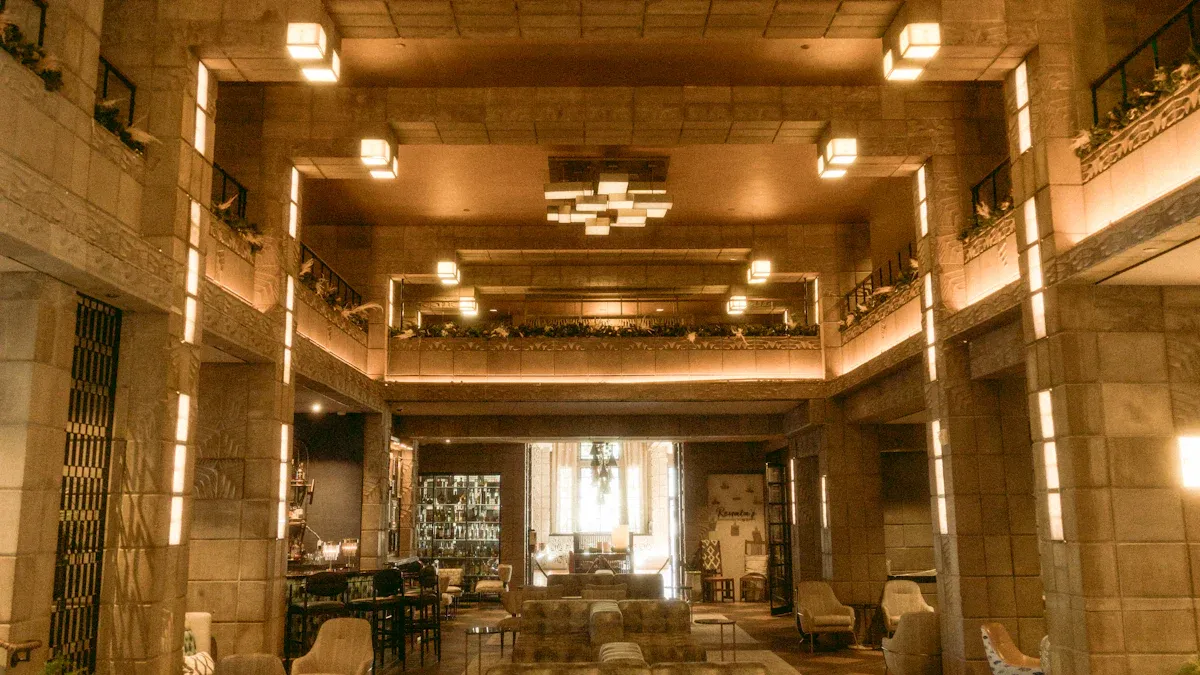
High-quality hotel guestroom furniture quality plays a crucial role in shaping guest satisfaction. When guests enter a room, premium commercial grade furniture creates a lasting first impression. It conveys comfort and luxury, enhancing their overall experience. Additionally, well-crafted furniture significantly impacts hotel comfort and guest experience, leading to higher satisfaction scores. Hotels that prioritize furniture durability in hospitality often see a notable increase in positive reviews. This commitment to furniture safety standards not only elevates the guest experience but also strengthens the hotel’s brand reputation, ensuring that all hotel room furniture requirements are met effectively.
Key Takeaways
- High-quality furniture creates a positive first impression, enhancing guest satisfaction and encouraging repeat visits.
- Investing in durable furniture reduces long-term costs by minimizing maintenance and replacement needs.
- Stylish and well-designed furniture improves the overall aesthetic appeal, making hotel environments more inviting and memorable.
- Comfortable and ergonomic furniture significantly enhances guest comfort, leading to better sleep and overall satisfaction.
- Prioritizing furniture quality strengthens a hotel’s brand reputation, attracting discerning guests and boosting positive reviews.
Impact of Hotel Guestroom Furniture Quality on Guest Perception
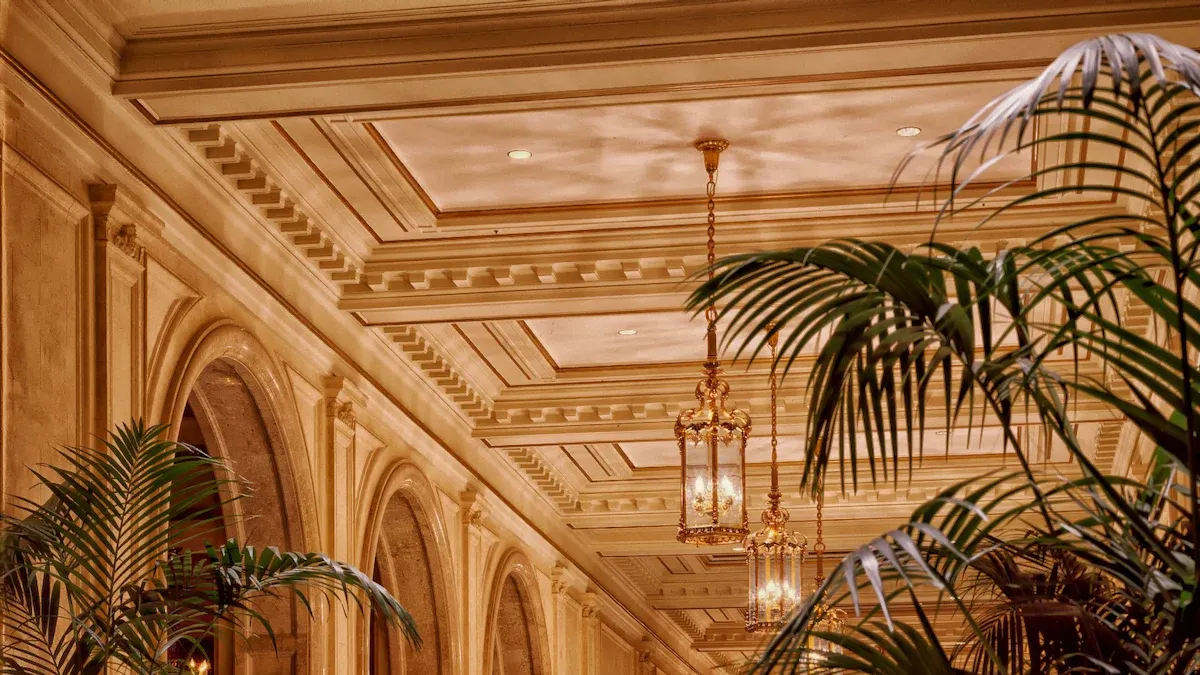
The quality of hotel guestroom furniture significantly influences how guests perceive their stay. When guests enter a room, they immediately assess the environment based on the furniture they see. High-quality furniture creates a welcoming atmosphere, while poor-quality pieces can lead to disappointment.
Hospitality experts emphasize that well-maintained furniture not only makes a positive first impression but also enhances comfort and overall guest satisfaction. These factors are essential for encouraging repeat business. Guests are more likely to return to a hotel where they have experienced consistent quality and comfort.
Several common issues arise from low-quality furniture, which can detract from the guest experience. Here are some frequent complaints:
| Common Issues | Causes | Solutions |
|---|---|---|
| Loose chair joints | Weak screws or glue failure | Reinforce with metal brackets and stronger adhesive |
| Scratched wooden surfaces | Daily wear and tear | Use touch-up markers or refinish the surface |
| Sagging cushions | Low-density foam | Replace foam with high-density filling |
| Wobbly tables | Uneven legs or weak joints | Adjust legs or reinforce with braces |
| Peeling veneer | Poor-quality laminate | Use a stronger adhesive or replace with real wood |
Studies indicate that hotels featuring premium furnishings tend to receive higher ratings and more favorable reviews. For instance, a boutique hotel in New York saw a 15% increase in positive reviews after refurbishing its guest rooms with high-back chairs and plush sofas. Similarly, a resort in Bali reported a surge in customer satisfaction after installing comfortable lounge chairs around the pool area.
The relationship between furniture quality and guest loyalty is clear. Guests appreciate comfort and aesthetics, which align with their expectations of a quality hotel experience. High-quality furniture not only meets these expectations but also reflects the hotel’s brand identity.
Enhancing Comfort Through Quality Furniture
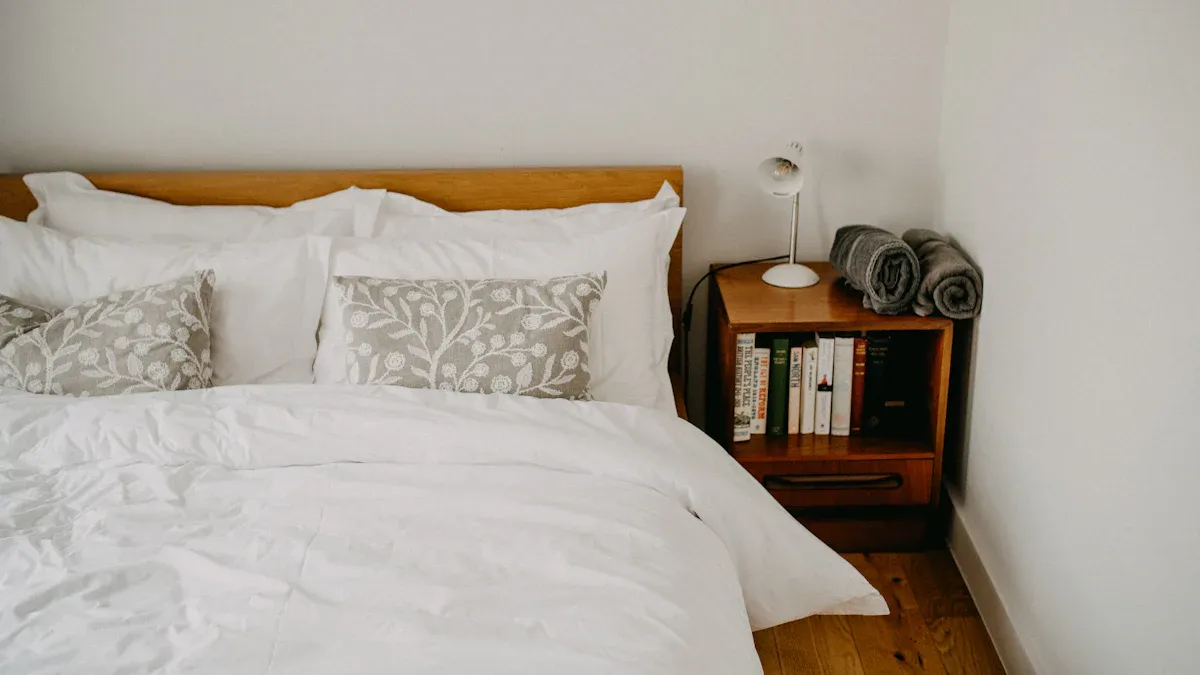
Quality hotel guestroom furniture significantly enhances guest comfort. When hotels invest in high-quality pieces, they create an environment that promotes relaxation and restful sleep. Ergonomic furniture plays a vital role in this process.
Consider the following features that contribute to improved guest comfort:
| Feature | Benefit |
|---|---|
| Adjustable Firmness | Provides personalized comfort for each guest |
| Supportive Mattress | Reduces pressure points, enhancing sleep quality |
| High-Quality Materials | Ensures longevity and elegance |
Comfortable mattresses that offer balanced support help guests wake up feeling refreshed. Adjustable headboards for reading or reclining add extra comfort. Additionally, a variety of pillow types, from soft to firm, allows guests to find their perfect fit.
Design elements also play a crucial role in enhancing comfort. Supportive seating, such as chairs with adjustable lumbar support, ensures that guests can relax without discomfort. Comfortable bedding, including high-quality mattresses and a selection of pillows, improves sleep quality. Functional workspaces with adjustable desks and adequate lighting promote better posture and reduce strain. Accessible storage solutions, like easily reachable closets and sturdy luggage racks, cater to all guests, including those with mobility challenges. Multi-functional furniture, such as sofa beds, maximizes utility while maintaining comfort.
By prioritizing hotel guestroom furniture quality, hotels can create a welcoming atmosphere that encourages guests to return. The right furniture not only enhances comfort but also reflects the hotel’s commitment to guest satisfaction.
Aesthetic Appeal and Guest Experience
The aesthetic appeal of hotel guestroom furniture significantly influences guest experiences. When guests enter a room, they immediately notice the design and style of the furniture. Modern designs, characterized by clean lines and minimalistic forms, cater to aesthetic pleasure while embodying durability and functionality. Approximately 76% of hotel guests feel that visually appealing furniture enhances their stay experience.
Stylish and well-designed furniture not only enhances a hotel’s visual appeal but also makes it more inviting and memorable. Hotels that prioritize design and comfort often see tangible improvements in guest experiences. The design of hotel furniture plays a crucial role in shaping these experiences. It serves functional purposes while setting the overall tone for the stay.
Current trends in hotel furniture design focus on enhancing guest well-being and comfort. This reflects a growing demand from travelers for healthier and more flexible spaces during their stays. Guests expect environments that feel comfortable and connected to local culture. Such elements directly influence how they perceive their experience and expectations.
Incorporating elements that reflect local culture can create a unique atmosphere. For instance, using materials or designs inspired by the surrounding area can enhance the guest’s connection to the destination. This thoughtful approach to aesthetics not only elevates the guest experience but also reinforces the hotel’s brand identity.
Ultimately, investing in high-quality hotel guestroom furniture quality is essential for creating an inviting and memorable environment. By focusing on aesthetics, hotels can significantly enhance guest satisfaction and encourage repeat visits.
Durability and Longevity of Hotel Furniture
Durability and longevity are critical factors when selecting hotel guestroom furniture quality. High-quality furniture is designed to withstand the rigors of daily use in busy hotel environments. It resists abrasion, spills, and frequent cleaning, leading to less wear and tear over time. Investing in premium hotel furniture may involve higher initial costs, but the long-term savings are significant. Durable furnishings require fewer replacements, benefiting hotel operations and budget management.
The average lifespan of high-quality hotel guestroom furniture significantly exceeds that of lower-quality alternatives. Consider the following comparison:
| Attribute | High-Quality Furniture | Lower-Quality Furniture |
|---|---|---|
| Lifespan | Longer-lasting, withstands wear and tear | Shorter lifespan, frequent replacements |
| Cost Efficiency | Reduces need for repairs and replacements | Higher long-term costs due to replacements |
| Durability | Maintains appearance and functionality longer | Shows wear quickly, less durable |
Hotels that prioritize durable furniture incur lower maintenance costs. High-quality materials can endure the demands of high-traffic environments, resulting in fewer repairs and replacements. Conversely, less durable furniture necessitates more frequent maintenance, escalating overall costs.
Common materials used in long-lasting hotel guestroom furniture include:
| Material | Description |
|---|---|
| Engineered Wood | A composite material that is cheaper and offers better performance than hardwood. Highly customizable for modern hotel needs. |
| Hardwood | Known for its durability and comfort, hardwood has been a staple in furniture making for centuries. It retains its features well. |
| Upholstery Works | Provides comfort and aesthetic appeal, often used in conjunction with other materials. |
| Metal | Offers strength and durability, commonly used in frames and structural components. |
| Marble | Adds luxury and elegance, often used in tabletops and decorative elements. |
By investing in high-quality hotel guestroom furniture, hotels not only enhance guest satisfaction but also ensure a sustainable and cost-effective operation.
Influence of Furniture Quality on Brand Reputation
The quality of hotel guestroom furniture plays a pivotal role in shaping a hotel’s brand reputation. When hotels invest in high-quality furniture, they send a clear message to guests about their commitment to excellence. This investment directly correlates with guest satisfaction, which is crucial for maintaining a positive brand image.
High-quality furniture enhances guest experiences in several ways:
- Guest Satisfaction: Guests appreciate well-crafted furniture that provides comfort and style. This satisfaction leads to positive reviews and repeat visits.
- Consumer Preferences: Modern travelers prioritize aesthetics and functionality. Hotels that align their furniture choices with these preferences strengthen their brand perception.
- Competitive Differentiation: In a crowded market, unique and high-quality furniture sets a hotel apart. This differentiation helps establish a strong brand identity.
Research indicates that hotels that prioritize furniture quality can significantly boost their brand reputation. For instance, a boutique hotel that upgraded its guestroom furniture to a blend of classic and modern styles saw enhanced guest feedback and an improved brand image. Similarly, a luxury resort that updated its suites with aesthetically pleasing and functional furniture experienced increased guest satisfaction and repeat visits.
Luxury hotel brands often leverage furniture quality as a key differentiator in their marketing strategies. They focus on craftsmanship and material selection to enhance aesthetic appeal. Customization options allow hotels to create unique identities that stand out in a competitive market. Furthermore, the integration of technology in furniture, such as built-in USB ports, appeals to tech-savvy travelers. This fusion of functionality and luxury not only enhances guest experience but also aligns with modern hospitality needs.
Thoughtful Design for Memorable Guest Experiences
Thoughtful design in hotel guestroom furniture quality significantly enhances the overall guest experience. When hotels prioritize furniture design, they create environments that are not only functional but also inviting. Here are some key aspects of thoughtful furniture design that contribute to memorable stays:
- Enhanced Comfort: Thoughtful furniture design enhances comfort and functionality, making spaces more welcoming for guests.
- Emotional Connection: Emotional design elements, such as lighting and textures, create a memorable atmosphere that guests remember long after their stay.
- Practical Solutions: Intuitive storage solutions and well-placed furniture cater to the practical needs of families, enhancing their overall experience.
Hotels can measure the impact of innovative furniture design on guest satisfaction through various metrics. The following table outlines some of these key performance indicators:
| Metric | Description |
|---|---|
| Customer Satisfaction Score | Surveys focused on comfort and furniture quality to gauge guest satisfaction post-stay. |
| Net Promoter Score | Measures guest willingness to recommend the hotel based on their experience with furniture. |
| Repeat Visit Rate | Analyzes booking data to assess improvements in guest loyalty following furniture upgrades. |
| Online Review Sentiment | Monitors guest feedback related to furniture and room comfort in online reviews. |
| Operational Metrics | Evaluates furniture durability, maintenance frequency, and room downtime during installation. |
Several hotels have received recognition for their exceptional guestroom furniture design. The following table highlights some notable examples:
| Hotel Name | Designer/Architect | Notable Features |
|---|---|---|
| Four Seasons Fort Lauderdale | Kobi Karp Architecture | Nautical-inspired design with smooth curves, outdoor terraces, and lush gardens. |
| Hotel Zena | Dawson Design Associates | Fusion of art and architecture celebrating female empowerment, contemporary glass showers as art installations. |
| Hotel Chadstone Melbourne, MGallery by Sofitel | dwp | High-fashion theatrical experience, first five-star Australian hotel to receive a 5 Star Green Star Design. |
| La Clef Champs-Élysées Paris | Studio Jean-Philippe Nuel | Modern luxurious amenities, custom furnishings like the Lunar High back Chair, and a focus on Parisian lifestyle. |
By investing in thoughtful design, hotels can create memorable experiences that resonate with guests long after their stay.
High-quality hotel guestroom furniture quality is essential for enhancing guest satisfaction and comfort. Investing in durable and aesthetically pleasing furniture leads to long-term cost savings. Although the initial investment may be higher, hotels benefit from reduced maintenance costs and fewer replacements over time. Furthermore, quality furniture fosters a positive guest experience, encouraging repeat bookings and enhancing brand reputation.
Hotel owners should prioritize furniture quality to create inviting environments that attract discerning guests. By doing so, they can differentiate their offerings in a competitive market and ensure lasting success.
FAQ
What types of materials are best for hotel furniture?
High-quality materials such as engineered wood, hardwood, and metal are ideal for hotel furniture. These materials offer durability, aesthetic appeal, and resistance to wear and tear, ensuring longevity in high-traffic environments.
How does furniture quality affect guest reviews?
Guests often associate high-quality furniture with comfort and luxury. Positive experiences lead to favorable reviews, while poor-quality furniture can result in negative feedback, impacting the hotel’s reputation.
What are the benefits of investing in durable furniture?
Investing in durable furniture reduces maintenance costs and replacement frequency. High-quality pieces withstand daily use, ensuring a consistent guest experience and long-term savings for hotel owners.
How can hotels enhance furniture aesthetics?
Hotels can enhance aesthetics by selecting stylish designs that reflect local culture. Incorporating modern trends and unique elements creates inviting spaces that resonate with guests, improving their overall experience.
Why is ergonomic furniture important in hotels?
Ergonomic furniture promotes guest comfort and well-being. It supports proper posture and reduces discomfort, leading to better sleep quality and overall satisfaction during their stay.


