
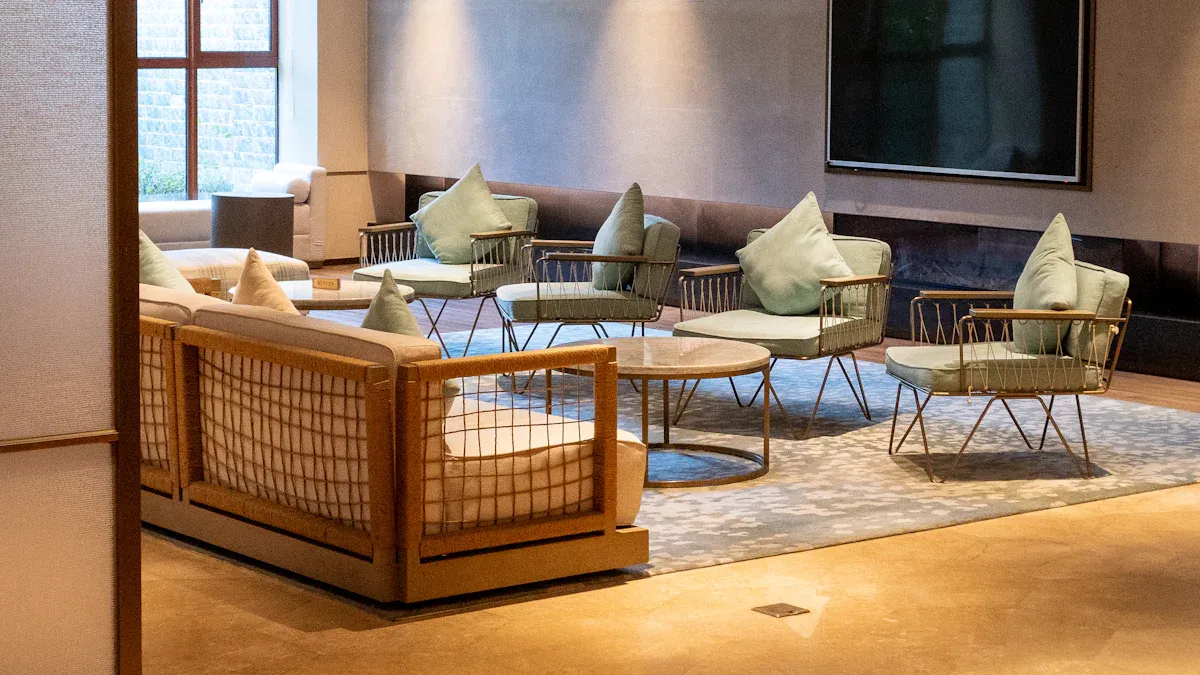
Choosing the right hotel furniture manufacturer is crucial for any hospitality business. Quality furniture significantly impacts guest satisfaction, as studies show that 75% of guests prioritize bed comfort when rating their experiences. For instance, a New York boutique hotel experienced a 15% increase in positive reviews after upgrading to higher-back chairs and plush sofas.
The competitive landscape in China offers numerous options for global buyers. With a variety of manufacturers specializing in custom hotel furniture, selecting a reliable hotel project furniture supplier can enhance both operational efficiency and guest comfort. When considering an OEM hotel project furniture China, it’s essential to evaluate their experience and product quality. As a leading hotel bedroom furniture manufacturer, we understand the importance of comfort and style in creating memorable guest experiences. Partnering with a contract hotel furniture supplier ensures that your specific needs are met, providing tailored solutions for your hotel. So, how to choose a reliable hotel furniture manufacturer in China? Look for those with a proven track record and a commitment to excellence in design and service.
Key Takeaways
- Prioritize quality and reliability when selecting a hotel furniture manufacturer to enhance guest satisfaction and operational efficiency.
- Request samples and conduct factory visits to assess a manufacturer’s capabilities and ensure they meet your specific project needs.
- Understand compliance standards and quality control measures to guarantee that the furniture meets safety and durability requirements.
- Establish clear terms and maintain open communication with suppliers to foster strong, long-term relationships that benefit your business.
- Explore customization options to create unique hotel environments that reflect your brand identity and improve guest experiences.
Key Considerations for Selecting a Manufacturer
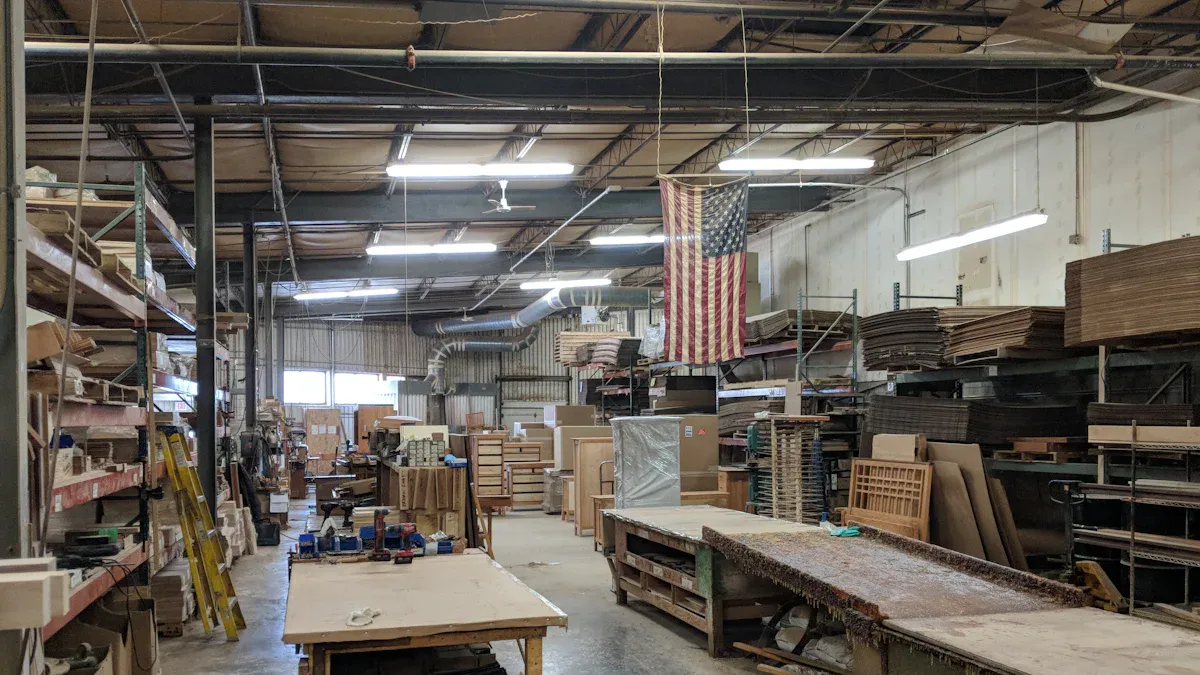
Selecting the right hotel furniture manufacturer involves careful evaluation of several key factors. Buyers must prioritize quality, reliability, and the ability to meet specific needs. Here are the essential considerations:
Assessing Manufacturer Credentials
Before engaging with a manufacturer, verify their credentials. This step ensures that the factory operates legally and adheres to industry standards. Key actions include:
- Check business licenses to confirm the factory is a legal entity.
- Verify export credentials to ensure they can ship products internationally.
- Review quality certifications such as ISO 9001, FSC, and CARB to ensure adherence to international standards.
A reputable manufacturer will possess various certifications that demonstrate their commitment to excellence and safety. This verification process builds confidence in the supplier’s reliability.
Evaluating Product Range
A diverse product range is crucial when selecting a hotel furniture manufacturer. It indicates the supplier’s ability to meet various style and functionality requirements. Consider the following types of products typically offered:
- Casegoods
- Upholstered furniture
- Custom solutions
- Guestroom furniture
- Lobby seating
- Public area furniture
- Commercial furniture
- Luxury FF&E packages
- Fixed millwork
Customization options allow hotels to express their unique brand identity. This capability is essential for creating distinctive environments that resonate with guests. A manufacturer with a broad portfolio can adapt to different design needs, enhancing the overall guest experience.
Understanding Production Capabilities
Understanding a manufacturer’s production capabilities is vital for ensuring timely delivery and quality. Advanced manufacturing technologies play a significant role in this aspect. Consider the following:
- Investment in modern machinery, such as CNC machines, reduces material waste and enhances precision in cutting.
- Implementation of ERP systems streamlines production and inventory management, leading to increased operational efficiency.
- Upgraded facilities equipped with modern technology improve overall efficiency in the manufacturing process.
These advancements collectively contribute to lower costs and improved consistency in hotel furniture production. Buyers should inquire about lead times, factory capacity, and quality control measures to ensure the manufacturer can meet their project demands.
Steps for Sourcing Hotel Furniture

Sourcing hotel furniture requires a systematic approach to ensure quality and suitability for the hospitality environment. Here are the essential steps to follow:
Researching Potential Manufacturers
Begin by identifying potential manufacturers that specialize in hotel furniture. Effective research methods include:
- Utilizing online directories: Websites like Alibaba and Global Sources list numerous manufacturers with reviews and ratings.
- Networking: Engage with industry professionals through trade shows and forums to gather recommendations.
- Requesting multiple samples: This allows buyers to assess styles and finishes, ensuring they meet aesthetic and functional requirements.
- Evaluating durability and comfort: Test samples to determine their suitability for high-traffic hotel environments.
- Checking warranties and after-sales support: Ensure manufacturers provide comprehensive warranties and responsive customer service.
- Understanding shipping options: Familiarize yourself with costs associated with sea freight, air freight, and express courier services.
- Preparing documentation: Be ready with necessary paperwork for customs and import regulations.
- Setting clear expectations: Communicate delivery timelines and track shipments effectively.
Requesting Samples
Requesting samples is a critical step in the sourcing process. Buyers should focus on the following aspects when requesting samples:
- Factory Verification: Request a live video walkthrough of the factory, focusing on key areas such as wood drying kilns, upholstery stations, and quality control checkpoints.
- Documentation Discipline: Ensure the manufacturer provides signed dimensional drawings, verified finish color swatches, and detailed hardware specification sheets.
- Customization Capability: Look for manufacturers that offer true customization beyond surface-level options, ensuring flexibility in design.
- Warranty Terms: Review warranty language to confirm it covers parts and labor, does not require return shipping, and includes on-site service availability.
These steps help buyers assess the manufacturer’s commitment to quality and their ability to meet specific project needs.
Conducting Factory Visits
Conducting factory visits provides invaluable insights into a manufacturer’s operations. Here are the key steps involved:
- Contact the manufacturer: Initiate the process through their website to schedule a visit.
- Select the needed service: Choose between a guided factory tour or custom-made furniture solutions.
- Share your ideas: Discuss your project plans with the team for tailored assistance.
- Receive support: Expect prompt guidance throughout the factory tour.
During the visit, buyers should assess various production processes. Key aspects to evaluate include:
| Aspect | Details |
|---|---|
| Delivery location | Identify the staging area or final destination for casegoods. |
| Delivery routes | Determine specific pathways for delivery crews. |
| Project schedule | Discuss the timeline and target receiving date for the order. |
| On-site presence | Confirm who will be present during delivery (staff, guests, etc.). |
| Installation | Identify who will handle installation and if training is needed. |
| Important considerations | Note any additional factors relevant to the hotel or order. |
Additionally, buyers should come prepared with the right tools for the visit, including:
- Proper forms and gear
- Pens and pencils
- Site plans
- Measuring tools
- Video/image-capturing devices
These preparations ensure a thorough evaluation of the manufacturer’s capabilities and readiness to fulfill the project requirements.
Quality Control Measures
Quality control is essential for ensuring that hotel furniture meets the highest standards of durability and aesthetics. Manufacturers in China implement various quality assurance protocols to maintain product integrity throughout the production process.
Implementing Quality Assurance Protocols
Top manufacturers adopt rigorous quality assurance protocols to minimize defects and ensure consistency. Common checkpoints include:
- Pre-Production Inspection: Evaluates raw materials, such as checking the moisture content of wood.
- During Production Inspection: Identifies errors early in the assembly phase to prevent costly rework.
- Pre-Shipment Inspection: Randomly selects finished goods to verify finish, quantity, and packaging.
These measures help maintain high standards and ensure that products meet client specifications. Manufacturers often adhere to certifications like ISO 9001, which establishes a quality management system, and BSCI, which promotes ethical labor practices.
Third-Party Inspections
Third-party inspections play a crucial role in verifying the quality of hotel furniture. They provide an independent assessment that enhances credibility. Here are some advantages of third-party inspections:
| Aspect | In-House Inspection | Third-Party Inspection |
|---|---|---|
| Control | Greater control and alignment | Less control, independent from suppliers |
| Expertise | Requires training and personnel | Specialized expertise available |
| Cost | Significant investment in resources | Flexibility with no fixed overhead costs |
| Geographic Coverage | Limited to specific locations | Global coverage available |
| Approach | Often used for critical items | Ideal for specialized needs or broader scope |
Utilizing third-party inspectors ensures that manufacturers comply with industry standards and regulations, providing peace of mind to buyers.
Understanding Compliance Standards
Compliance with international standards is vital for manufacturers exporting hotel furniture. Key compliance standards include:
| Compliance Standard | Description |
|---|---|
| Fire Retardancy | Compliance with local fire safety regulations tailored to specific regions. |
| Durability | Adherence to Martindale rub tests for textiles and cyclic load tests for frames. |
| Green Certifications | Certifications like FSC and GREENGUARD for sustainable materials. |
| ANSI/BIFMA | Benchmarks for furniture safety and performance in North America. |
Understanding these standards helps buyers select a reliable hotel project furniture supplier that prioritizes safety and sustainability.
Negotiation Tips
Establishing Clear Terms
Establishing clear terms is essential for successful negotiations with hotel furniture manufacturers. Buyers should:
- Establish clear contract guidelines to ensure alignment with suppliers.
- Conduct thorough market research and due diligence to create robust vendor contracts.
- Implement a contract management system to define parameters for price, quality, and service.
- Schedule yearly contract reviews and renegotiation windows to keep agreements current.
- Maintain open communication with suppliers and plan performance reviews to strengthen relationships.
These steps help prevent misunderstandings and foster a collaborative atmosphere.
Understanding Pricing Structures
Understanding pricing structures is crucial for effective negotiation. Several factors influence the cost of hotel furniture in China:
- Quality of materials
- Level of customization
- Craftsmanship
- Material selection
- Design complexity
- Durability
- Minimum order quantities (MOQ)
Buyers should break down the factory price into components like raw materials and labor to identify negotiation flexibilities. Preparing data and benchmarks enhances negotiation leverage, allowing buyers to validate costs effectively.
Building Long-Term Relationships
Building long-term relationships with manufacturers can lead to better pricing and service. Successful partnerships often rely on trust and open communication. Here are some strategies:
| Source | Evidence |
|---|---|
| Richart Furniture | Established stable partnerships with various hotel clients, indicating a focus on long-term cooperation. |
| DG Ulfire Doors | Commitment to building long-term relationships based on honesty and trust, highlighting the importance of integrity in partnerships. |
| Artie Garden | Welcomes global customers for future business relationships, emphasizing openness to collaboration. |
| BKL Hospitality | Strives to be a reliable partner, providing satisfactory solutions to client feedback, which is crucial for maintaining long-term relationships. |
By fostering these connections, buyers can secure better terms and ensure a smoother procurement process.
Logistics and Supply Chain Overview
Sourcing hotel furniture from China involves navigating various logistics and supply chain challenges. Buyers must consider shipping options, customs regulations, and delivery timelines to ensure a smooth procurement process.
Shipping Options and Costs
When exporting hotel furniture, several shipping options are available, each with different cost implications. Here’s a breakdown of typical shipping methods:
| Mode | Typical per-unit impact | When used |
|---|---|---|
| FCL ocean | Low (5–12%) | Large projects, full containers |
| LCL / consolidated | Medium-High (8–20%) | Small orders or mixed cargo |
| Air freight | Very high (30%+) | Urgent small volumes, high-value items |
Selecting the right shipping method depends on the order size and urgency. For large projects, Full Container Load (FCL) shipping offers cost efficiency. In contrast, Less than Container Load (LCL) is suitable for smaller orders but incurs higher costs.
Customs and Import Regulations
Global buyers must navigate various customs and import regulations when sourcing hotel furniture. Key considerations include:
- Safety Compliance: Ensure that the furniture meets safety standards relevant to the destination country, including load stability and material testing.
- Chemical Compliance: Adhere to regulations regarding chemicals used in furniture, such as those outlined by REACH in Europe.
- Documentation: Maintain proper test certificates and reports to prove compliance with safety and chemical standards.
Understanding these regulations helps prevent delays and fines during customs clearance.
Managing Delivery Timelines
Effective management of delivery timelines is crucial for successful sourcing. Buyers should consider the following:
- Typical lead times for custom hotel furniture range from 10 to 18 weeks for production, depending on complexity and order size.
- Shipping typically adds an additional 4 to 8 weeks for sea freight.
- It is advisable to start procurement early and include buffer time for approvals and peak seasons.
Additionally, planning shipping and incoterms early can streamline the process. Options include:
- FOB (Free On Board): The buyer arranges main transport from the China port.
- CIF (Cost, Insurance, Freight): The supplier arranges sea freight and insurance to the destination port.
- DDP (Delivered Duty Paid): The supplier handles door-to-door delivery and import clearance, reducing the buyer’s administrative burden.
By addressing these logistics and supply chain factors, buyers can enhance their sourcing experience and ensure timely delivery of high-quality hotel furniture.
Choosing a Hotel Project Furniture Supplier
Selecting a hotel project furniture supplier requires careful consideration of several factors. Buyers must compare manufacturer reputations, assess customization options, and evaluate after-sales support to ensure a successful partnership.
Comparing Manufacturer Reputations
When comparing the reputations of hotel project furniture suppliers in China, buyers should consider various criteria. The following table outlines essential factors to evaluate:
| Criteria | Description |
|---|---|
| Product Range & Customization | How diverse and adaptable are their offerings? Can they meet specific client needs? |
| Manufacturing Capabilities | What is the scale and technological sophistication of their production facilities? |
| Innovation & Design | Are they leading in aesthetic appeal, material innovation, or functional features? |
| Supply Chain & Logistics | How efficient and resilient is their distribution network? |
| Pricing & Cost Efficiency | Do they offer competitive pricing without compromising quality? |
| Brand Reputation & Customer Service | What is their standing among clients and partners? |
| Compliance & Sustainability | Are they aligned with environmental standards and regulations? |
| Global Presence & Scalability | Can they support international expansion or large-scale projects? |
Evaluating these criteria helps buyers identify reputable suppliers that align with their project goals.
Customization Options
Customization options from hotel furniture suppliers in China allow hoteliers to create unique atmospheres that align with their brand identity. This flexibility in design enhances guest experiences and improves operational efficiency by meeting specific functional needs. For instance, modular furniture designs enable hotels to optimize space and adapt to various configurations, which is particularly beneficial in urban settings.
Evaluating After-Sales Support
After-sales support is crucial for maintaining a successful partnership with a hotel project furniture supplier. Buyers should look for suppliers that offer:
- Dedicated after-sales service for problem resolution.
- 24/7 after-sales support reflecting a customer-centric philosophy.
- 24-hour rapid response for after-sales inquiries.
- Five-star certification for after-sales service.
These services ensure that any issues arising post-purchase are addressed promptly, enhancing overall satisfaction with the supplier.
Sourcing hotel furniture involves several critical steps. Buyers must assess manufacturer credentials, evaluate product ranges, and understand production capabilities. They should also prioritize quality control and establish clear terms during negotiations.
Taking proactive steps in the sourcing journey can lead to successful partnerships. Buyers should engage with manufacturers, request samples, and conduct factory visits to ensure alignment with their needs.
Finally, due diligence and quality assurance remain paramount. Buyers must verify compliance with industry standards and maintain open communication with suppliers. This approach fosters trust and enhances the overall procurement experience.
FAQ
What should I consider when choosing a hotel furniture manufacturer?
Buyers should assess the manufacturer’s credentials, product range, production capabilities, and quality control measures. Understanding these factors ensures alignment with project requirements and enhances the overall sourcing experience.
How long does it typically take to receive hotel furniture from China?
Lead times for custom hotel furniture usually range from 10 to 18 weeks for production, plus an additional 4 to 8 weeks for shipping. Early procurement helps manage timelines effectively.
Are customization options available for hotel furniture?
Yes, many manufacturers offer extensive customization options. This flexibility allows hotels to create unique designs that reflect their brand identity and meet specific functional needs.
What quality control measures do manufacturers implement?
Manufacturers often adopt rigorous quality assurance protocols, including pre-production inspections, during-production checks, and pre-shipment evaluations. These measures help maintain high standards and ensure product integrity.
How can I ensure compliance with international standards?
Buyers should verify that manufacturers adhere to relevant compliance standards, such as fire safety regulations and material testing requirements. Understanding these standards helps ensure the furniture meets safety and sustainability criteria.


