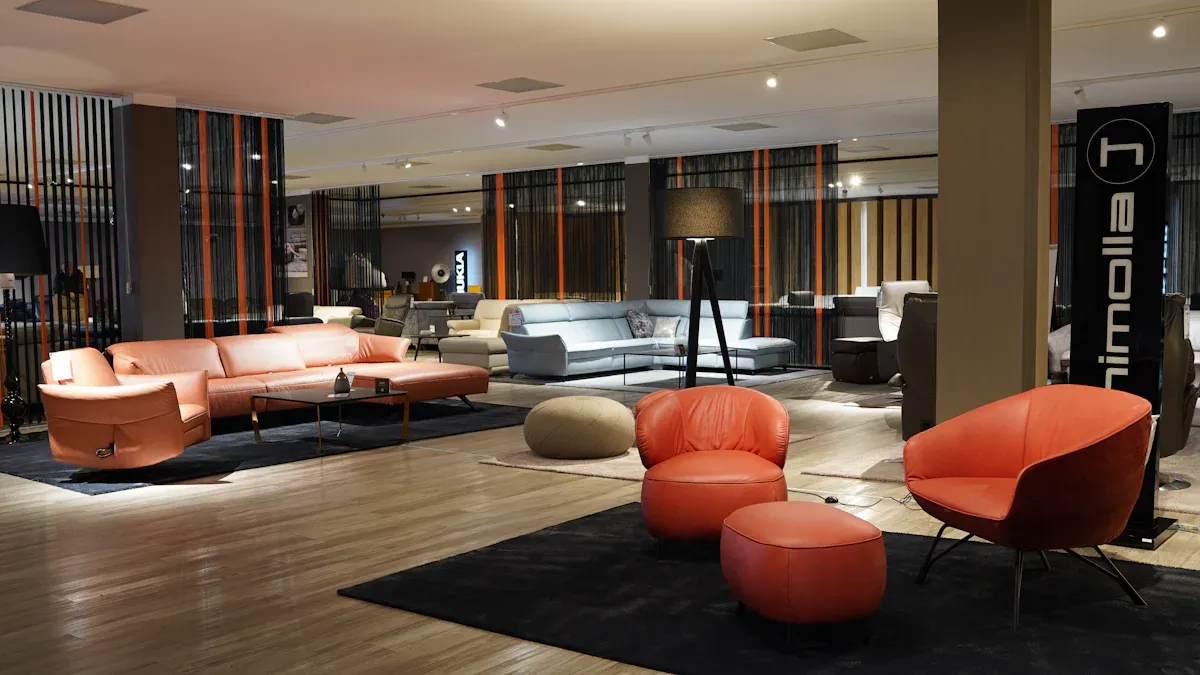
Effective budgeting for custom hotel furniture solutions begins with a clear understanding of the project’s scope and early financial planning. Defining your vision and specific requirements upfront prevents costly revisions later. This proactive approach helps avoid common pitfalls like underestimating the complexities of procurement, which often leads to project delays and increased costs. For example, fluctuating tariffs on imported goods or global supply chain issues can make accurate cost forecasting challenging, impacting the budget for your hotel project furniture. Setting realistic financial expectations before engaging suppliers, whether a Foshan hotel furniture manufacturer or a China hotel furniture wholesale provider, is crucial. This helps ensure your luxury hotel furniture vision aligns with your financial parameters.
Key Takeaways
- Plan your budget early. Define your vision and needs first. This prevents costly changes later.
- Get quotes from many manufacturers. Understand material costs. Account for design and prototype fees.
- Include hidden costs in your budget. These include shipping, installation, and a fund for unexpected problems.
- Save money without losing quality. Customize only key furniture pieces. Look for cheaper material options. Negotiate with suppliers for better deals.
- Track your spending regularly. Use budgeting tools. Talk clearly with suppliers. This keeps your project on track.
Define Project Vision and Scope for Custom Hotel Furniture
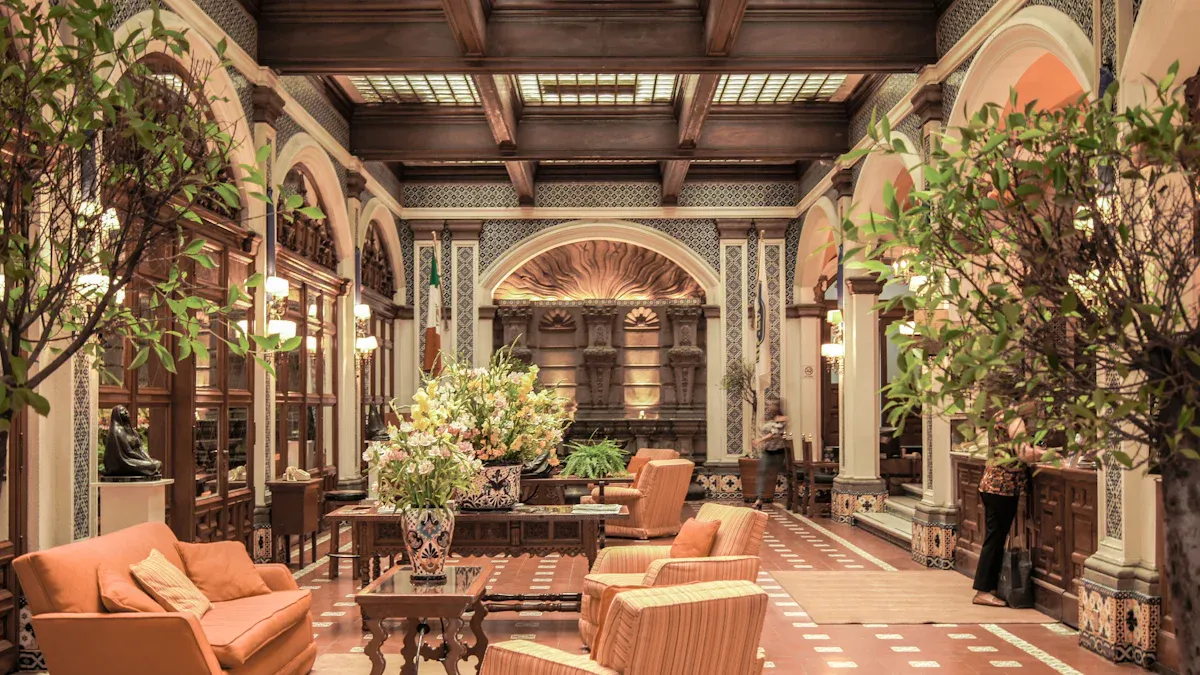
Defining your project’s vision and scope early on is a critical step. This clarity guides all subsequent decisions. It ensures the custom furniture truly serves its purpose and aligns with your hotel’s overall goals.
Aligning Furniture with Brand Identity and Operational Needs
Custom furniture helps a hotel tell its unique story. It bridges the gap between functionality and brand identity. The choice of materials, colors, and design elements makes a statement. For example, bespoke headboards can reflect a city’s skyline. Lobby seating might evoke regional cultural heritage. This approach shapes guest feelings, making the space cohesive and memorable. Hotels often choose unique, handcrafted pieces for a boutique feel. Modern business hotels prefer sleek, contemporary designs. Furniture must also withstand constant use. Therefore, consider materials like solid wood, metal frames, and high-density foam cushions. Incorporating recycled materials or FSC-certified wood also supports sustainability goals.
Identifying Specific Furniture Requirements by Area
Different areas within a hotel have distinct furniture needs. A lobby, for instance, requires versatile pieces. It needs diverse seating options like lounge chairs, sofas, and modular units. These arrangements encourage social interaction. Workspace-ready furniture with power outlets is also important. Comfort is key, so look for medium-firm cushions and appropriate backrest angles. The lobby’s aesthetic should match the hotel’s brand, whether it is modern luxury or classic elegance. Durable materials like hardwood frames, high-performance fabrics, and scratch-resistant table surfaces are essential. Furniture should also be flexible, allowing for reconfigurations. Accessibility is another crucial factor, ensuring wide pathways and appropriate seating for all guests.
Establishing Quality and Durability Standards for Longevity
Hotel furniture faces constant wear and tear. It must withstand high foot traffic, frequent use, and regular cleaning. A 5-year warranty is a common industry standard for guestroom casegoods. This indicates a baseline expectation for durability. The Architectural Woodwork Institute (AWI) sets quality standards for wood products. "Custom Grade" is typically specified for most high-quality wooden hotel project furniture. "Premium Grade" is reserved for high-use and high-profile items, signifying the highest quality. "Economy Grade" is generally not suitable for public-facing hospitality furniture. Prioritizing durability ensures your investment lasts, reducing future replacement costs.
Research and Estimate Initial Costs for Your Hotel Project Furniture
Once you have a clear vision for your custom hotel furniture, the next step involves diving into the numbers. This means researching and estimating the initial costs. This phase requires careful attention to detail. It helps you avoid unexpected expenses later on.
Obtaining and Comparing Quotes from Manufacturers
Getting quotes from several manufacturers is a smart move. It gives you a good idea of market prices. When you compare these quotes, you will notice differences. Many factors influence these price variations. For example, custom casegoods often cost more than catalog furniture. This is because custom pieces need unique designs and engineering time. Catalog items are usually more cost-effective. They use existing inventory and designs.
Consider the materials you request. Different materials have different costs. Also, think about the lead time you need. Orders that require quick delivery often cost more. Manufacturers might need to rush material acquisition and production. The level of customization and design complexity also plays a big role. More detailed and complex designs mean higher costs. Where you buy the furniture matters too. Domestic purchases can have different prices than overseas ones. Finally, the overall size and scope of your project affect the final cost. A larger project might get better bulk pricing.
Understanding Material and Finish Cost Implications
The materials and finishes you choose significantly impact your budget. They also affect the look and feel of your hotel. For instance, solid wood is a classic choice. It offers durability and a luxurious feel. However, it comes with a higher price tag. Engineered wood, often called panel furniture, presents a more budget-friendly option. Its production costs can be up to 30% lower than solid wood. This makes it a popular choice for large orders of hotel project furniture. While it might not be as durable as solid wood, it offers a good balance of cost and aesthetics.
Let’s look at some typical cost differences:
| Feature | Solid Wood | Engineered Wood (Panel Furniture) |
|---|---|---|
| Cost | High | Low (up to 30% lower) |
Specific types of wood also vary in price:
- Solid wood like pine, rubber, oak, maple, or walnut can cost between INR650 to INR5000 per square foot.
- Engineered wood, such as laminated veneer lumber, typically ranges from INR150 to INR1500 per square foot.
Solid wood is much more expensive than engineered wood. It also needs more care. Engineered wood is cheaper, but it might not last as long or be as durable. Beyond the main materials, consider the finishes. High-gloss lacquers, custom stains, or specialized protective coatings can add to the expense. These choices enhance durability and appearance. They also increase the overall cost.
Accounting for Design and Prototyping Fees
Custom furniture means unique designs. This often involves design and prototyping fees. These fees cover the work of designers. They create detailed drawings and specifications for your pieces. A prototype is a sample piece. It allows you to see and test the furniture before mass production. This step is crucial. It helps you confirm the design, materials, and functionality. You can make any necessary adjustments at this stage. This prevents costly mistakes later on. While these fees add to the initial budget, they are a wise investment. They ensure the final product meets your exact expectations. Think of them as an insurance policy for your custom furniture.
Factor in Hidden and Ancillary Expenses for Custom Furniture
When planning for custom hotel furniture, many people focus only on the manufacturing cost. However, a successful budget also accounts for hidden and ancillary expenses. These often overlooked costs can quickly inflate your project if you do not plan for them. Ignoring these details can lead to significant financial surprises.
Budgeting for Shipping and Logistics
Moving custom furniture from the manufacturer to your hotel involves more than just a truck. Shipping and logistics costs can vary widely. They depend on the furniture’s size, weight, and origin. You must consider the mode of transport. Air freight is fast but expensive. Sea freight is slower but more economical for large volumes. Land transport handles the final leg.
One also needs to account for customs duties and taxes, especially for international orders. Insurance protects your investment against damage or loss during transit. Sometimes, you might need temporary warehousing if the site is not ready for delivery. Each of these steps adds to the overall cost. Always ask manufacturers for a detailed breakdown of their shipping estimates. This helps you compare apples to apples.
Calculating Installation and Assembly Charges
Custom furniture often arrives disassembled. This means you need to budget for its installation and assembly. These charges cover the labor involved in putting the pieces together and placing them in their final locations. Professional installers ensure proper assembly, which extends the furniture’s lifespan and maintains its aesthetic appeal.
Installation costs depend on several factors. The complexity of the furniture pieces plays a big role. Intricate designs or built-in units require more time and specialized skills. The number of items also affects the total. Labor rates vary by region. You might also need special equipment for heavy or oversized items. Always get a clear quote for installation services. This prevents unexpected charges once the furniture arrives on site.
Allocating a Contingency Fund for Unforeseen Issues
Even the most meticulous planning can encounter unexpected challenges. This is why a contingency fund is absolutely essential. Think of it as a financial safety net. It covers unforeseen issues that can arise during any stage of the project.
What kinds of issues might come up? Materials might arrive damaged. A design element might need a last-minute adjustment. Labor costs could unexpectedly increase. Shipping delays might require additional storage fees. A good rule of thumb is to allocate 10% to 15% of your total furniture budget to this fund. This buffer ensures you can address problems without derailing the entire project. It provides peace of mind and keeps your custom hotel project furniture on track, even when things do not go exactly as planned.
Optimize Value Without Compromising Quality in Hotel Project Furniture
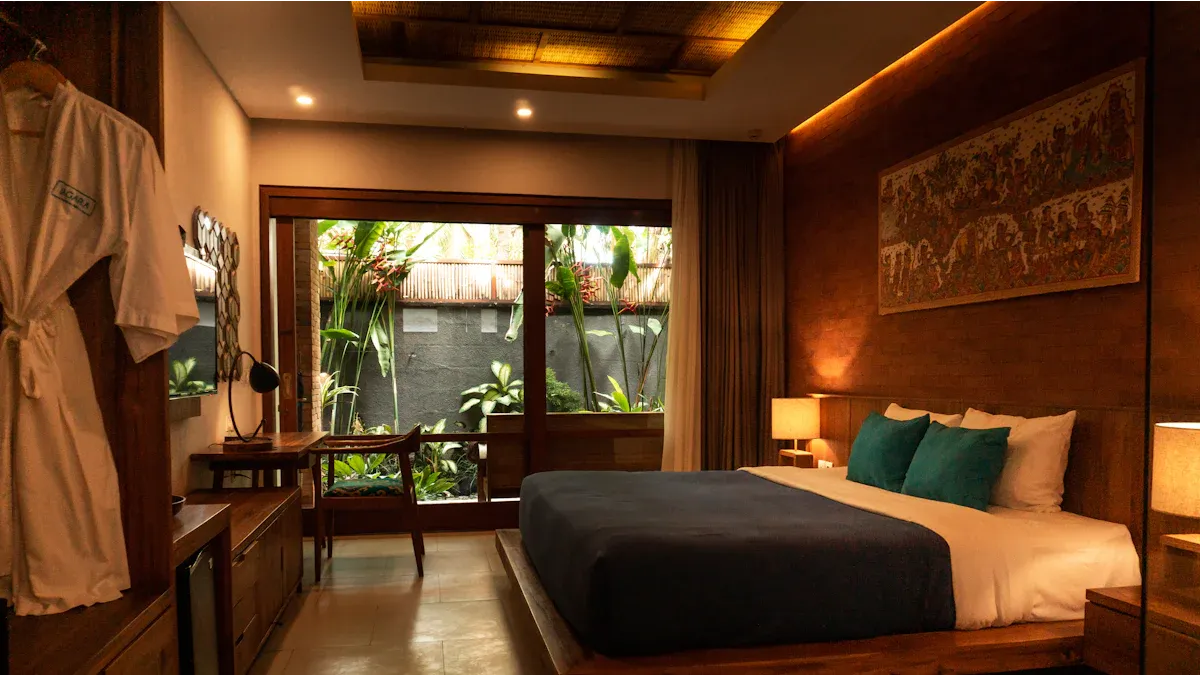
You can achieve great value for your custom hotel furniture without sacrificing quality. This requires smart choices and strategic planning.
Prioritizing Key Pieces for Customization
Not every piece of furniture needs full customization. You can focus your budget on key items that make the biggest impact. For example, custom headboards or unique lobby seating often define a hotel’s style. Standard pieces like bedside tables or dressers might use existing designs with minor modifications. This approach helps you manage costs effectively. It still allows you to create a distinctive look for your hotel.
Exploring Material Alternatives and Value Engineering
Smart material choices significantly affect your budget and the furniture’s lifespan. Consider alternatives to solid wood for certain items.
| Feature | Wood Veneer Furniture | Commercial Laminate Casegoods |
|---|---|---|
| Appearance | Natural wood grain | Variety of finishes |
| Durability | Can scratch or fade | Resistant to scratches and heat |
| Maintenance | Requires polishing and care | Easy to clean and maintain |
| Cost | More expensive than laminate | Budget-friendly option |
| Eco-Friendliness | Uses real wood sustainably | Often made from recycled materials |
Wood veneer furniture offers the beauty of real wood at a lower cost than solid wood. Laminate casegoods are very durable and budget-friendly. They resist scratches and heat well.
You can also explore other sustainable options:
- Reclaimed Materials: Upcycling old items gives them new life. This is often cost-effective and eco-friendly.
- Bamboo: This fast-growing plant is strong and durable. It works well for boards, panels, and fabrics.
- Sustainable Wood: Sourcing wood from managed forests, like FSC-certified options, reduces environmental impact.
- Cork: This renewable resource is lightweight, durable, and a good insulator. It works for headboards and tables.
Manufacturers often use commercial-grade materials and reinforced construction. This ensures durability and extends furniture lifecycles. Modular designs also make component replacement easy. Partnering with local manufacturers can decrease transportation costs.
Negotiating Terms and Bulk Discounts with Suppliers
Negotiating effectively can save you a lot of money. Always get detailed quotes from several suppliers. This helps you compare prices and services.
Consider these negotiation tactics:
- Use competition among suppliers to drive down prices.
- Research market conditions to understand prevailing trends.
- Prepare multiple bids to encourage competitive offers.
- Communicate clearly with vendors to build strong relationships.
You can also negotiate for more than just price. Ask about:
- Bulk discounts for large orders.
- Free delivery services.
- Installation and assembly services.
- Maintenance services.
- Flexible payment terms.
Consolidating orders for different furniture types can maximize savings. Aligning orders with promotional pricing or production schedules also yields better deals.
Implement Effective Budget Tracking and Management for Custom Solutions
Even with careful planning, managing a custom furniture budget requires ongoing attention. Effective tracking and communication keep your project on course.
Utilizing Budgeting Tools and Software
Specialized budgeting tools and software offer significant advantages for hotel furniture projects. They provide enhanced visibility, control, and efficiency. These systems automate workflows and improve vendor management. They also facilitate data-driven decisions. This leads to reduced costs and better project outcomes compared to manual processes. Such software helps teams:
- Create detailed FF&E inventories.
- Estimate costs more accurately.
- Track procurement and installation progress.
- Manage long-term maintenance schedules.
These tools offer actionable insights and robust reporting. This enables informed decisions and optimized procurement strategies. They also provide improved budget management with features for tracking, automated purchase order approvals, and spend analysis. This allows real-time monitoring of expenditures. It also helps identify cost-saving opportunities.
Conducting Regular Financial Reviews and Adjustments
Regular financial reviews are essential. They help you stay on top of your budget. Schedule these reviews weekly or bi-weekly. Compare actual spending against your planned budget. Look for any discrepancies. If costs are higher than expected, investigate the reasons. You might need to adjust future spending or explore alternative solutions. These reviews help you make timely decisions. They prevent small overruns from becoming major budget problems.
Maintaining Clear Communication with Suppliers
Effective communication is crucial for successful collaboration with suppliers. Suppliers should be responsive, transparent, and easily accessible. When you negotiate pricing, openly discuss your budget and expectations. Remain flexible but firm on your limits. Clarify terms such as delivery times, payment schedules, and warranties. Document all agreements in writing. This ensures everyone understands their responsibilities. Regular check-ins allow teams to assess progress and adjust as necessary. This ensures everyone remains aligned. Clear and open communication channels with suppliers often result in successful partnerships.
Budgeting for custom hotel project furniture demands a proactive, detailed, and flexible strategy. This approach ensures you meet financial parameters while achieving the desired aesthetic and functional outcomes. Ultimately, careful planning contributes significantly to the long-term success and appeal of your hotel. It helps you craft memorable and inviting spaces for every guest.
FAQ
Why is early budgeting crucial for custom hotel furniture?
Early budgeting helps define the project’s scope. It prevents costly revisions later. This approach ensures financial expectations align with your vision. It also helps avoid unexpected expenses.
How can hotels save money on custom furniture without lowering quality?
Hotels can prioritize customization for key pieces. They explore material alternatives like engineered wood. Negotiating bulk discounts and favorable terms with suppliers also helps. Value engineering offers cost-effective solutions.
What hidden costs should hotels consider in their furniture budget?
Hotels must budget for shipping and logistics. Installation and assembly charges are also important. They should allocate a contingency fund for unforeseen issues.
This fund covers unexpected problems.
Why is prototyping important for custom hotel furniture?
Prototyping allows hotels to test the design. They can confirm materials and functionality. This step helps make necessary adjustments. It prevents expensive mistakes during mass production.