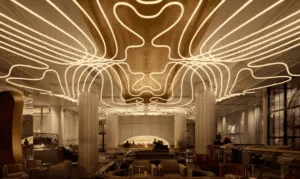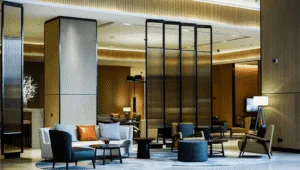
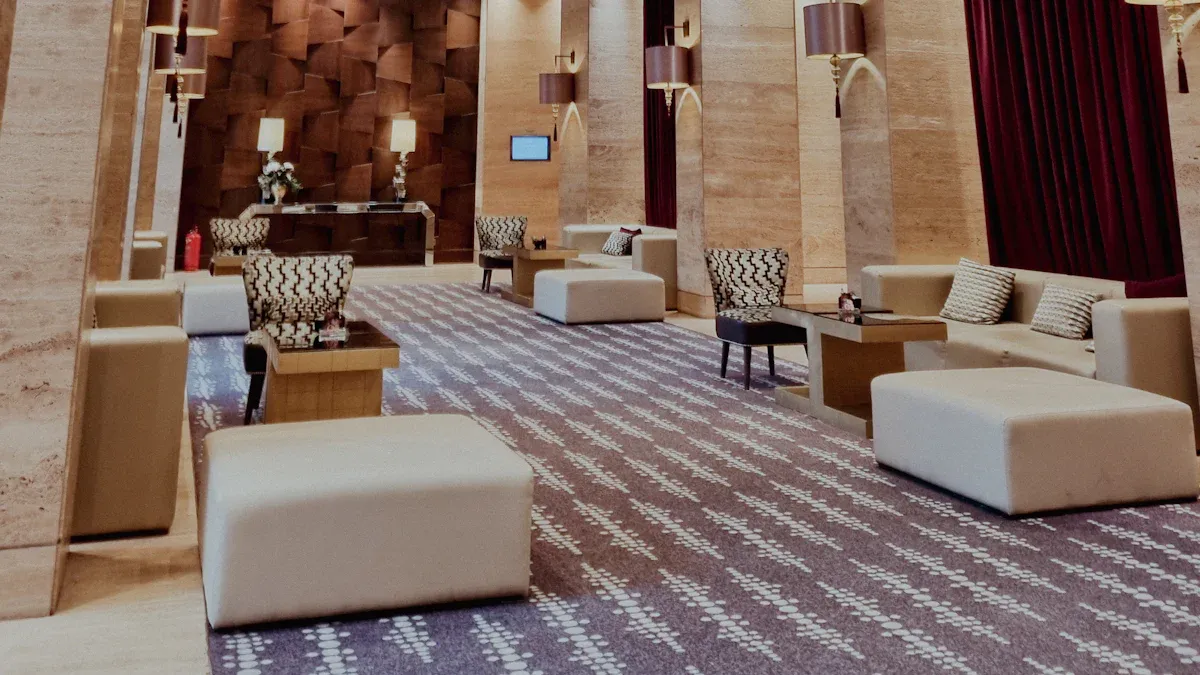
Durable commercial furniture plays a vital role in hotel furniture selection. Hotels that invest in commercial grade hotel furniture for high traffic areas enjoy long-lasting hotel guest room furniture that enhances guest comfort and safety. Durable hotel furniture reduces replacement costs and elevates guest satisfaction by maintaining a welcoming, well-kept environment.
Key benefits of durable hotel furniture include:
- Improved guest comfort and satisfaction
- Compliance with safety standards
- Lower operational costs
- Stronger brand perception
Key Takeaways
- Investing in durable hotel furniture enhances guest comfort and satisfaction, leading to better reviews and repeat visits.
- Choosing high-quality materials like solid wood and metal frames reduces long-term costs by minimizing replacements and maintenance needs.
- Regular maintenance and cleaning schedules are crucial for extending the lifespan of hotel furniture and maintaining a welcoming environment.
Evaluating Hotel Furniture Usage and Environment
Understanding Traffic and Wear Patterns
Hotels experience significant wear and tear on furniture due to high guest turnover and constant use. Common sources of damage include:
- Constant use in high-traffic environments
- Diverse guest behaviors
- Frequent cleaning
- Spills and stains
- Structural stress from frequent guest turnover
- Exposure to environmental factors such as humidity and sunlight
- Occasional misuse
These factors lead to issues like scratches, stains, and loosening joints. To combat this, hotels should invest in premium materials. For instance, hardwoods like walnut and oak offer resilience, while commercial-grade fabrics and high-pressure laminates outperform residential options. Protective finishes can also resist scratches and spills, extending the life of hotel furniture.
Considering Guest Demographics and Usage Needs
Understanding guest demographics is crucial for selecting appropriate furniture. Different groups have unique needs that influence furniture choices. For example:
- Business travelers often prefer ergonomic desk chairs and multipurpose seating.
- Families seek cozy arrangements for activities like reading or watching TV together.
- Older guests or those with mobility challenges benefit from sturdy, supportive seating.
By aligning furniture with guest lifestyles, hotels can enhance comfort and satisfaction. Additionally, hotels catering to guests with accessibility needs should consider features such as adjustable-height tables and sturdy seating with armrests. This attention to detail ensures all guests feel welcome and accommodated.
Materials and Construction for Durable Hotel Furniture
Selecting the right materials and construction methods is essential for ensuring the durability of hotel furniture. The choice of materials directly impacts the longevity, maintenance, and overall guest experience. Here are some key considerations:
Solid Wood and Hardwood Options
Solid wood and hardwoods are often the preferred choices for hotel furniture due to their strength and aesthetic appeal. Hardwoods like teak, oak, maple, walnut, and cherry are particularly valued for their durability. These woods exhibit excellent resistance to dents and scratches, making them suitable for high-use environments.
- Durability Ratings:
- Hardwoods like teak and oak are known for their toughness.
- Quality wood is expected to last for many years.
- Dense surfaces help avoid lumps and bumps, enhancing durability.
Investing in solid wood furniture may require a higher initial cost compared to engineered wood options. However, the longevity and reduced maintenance costs associated with solid wood make it a more economical choice over time for hotels.
Metal Frames and Powder-Coated Finishes
Metal frames provide an alternative to traditional wooden structures, offering superior strength and durability. Steel and aluminum frames are particularly effective in high-traffic areas.
| Feature / Material | Solid Wood (Hardwood) | Metal (Steel/Aluminum) |
|---|---|---|
| Durability & Strength | High (species dependent, excellent compressive strength) | Very High (superior tensile strength, impact resistance) |
| Wear & Scratch Resistance | Moderate (can dent/scratch, requires finish protection) | High (finishes can chip, but base material is robust) |
| Moisture & Pest Resistance | Low (requires treatment, can warp/rot) | High (aluminum resists rust, steel can rust if uncoated) |
| Maintenance & Cleaning | Moderate (periodic cleaning, potential refinishing) | Low (easy to wipe clean, durable finishes) |
Powder-coated finishes enhance the durability of metal frames. This coating is highly resistant to scratching, fading, chipping, and corrosion. It provides a tougher finish than traditional paint, making it ideal for furniture that endures daily use.
Upholstery Materials and Stain Resistance
Choosing the right upholstery materials is crucial for maintaining the appearance of hotel furniture. Stain-resistant fabrics help hotels manage cleaning and upkeep effectively.
- Recommended Fabrics:
- Olefin: Superior moisture-wicking and colorfastness.
- Solution-dyed nylon: Exceptional durability and fade resistance.
- Polyurethane fabrics: Outstanding resistance to wear, chemicals, and UV damage.
These materials not only resist stains but also maintain their appearance over time, contributing to a welcoming environment for guests. Regular cleaning protocols should be established based on the fabric type to ensure longevity.
| Cleaning Code | Description | Recommended Method |
|---|---|---|
| W | Water-based cleaning | Fabrics that tolerate detergents and steam cleaning |
| S | Solvent-based cleaning | Dry-clean-only fabrics using solvents |
| W/S | Both methods | Flexible; can use either method depending on stain type |
| X | Do not clean | Only vacuum or brush; often used for delicate finishes |
Durable Surface Finishes and Laminates
Surface finishes play a significant role in the durability of hotel furniture. High-pressure laminates (HPL) are particularly effective for surfaces that experience heavy use.
- HPL offers superior impact and abrasion resistance compared to low-pressure laminates.
- It is designed to last longer than the average hotel renovation cycle, making it a sound investment for hotel furniture.
HPL surfaces can handle daily wear and tear without requiring constant maintenance. They provide excellent resistance to scratches and stains, making them ideal for hotel environments.
Warranty, Lifecycle, and Maintenance Insights
Manufacturer Warranties and Commercial-Grade Standards
When selecting hotel furniture, understanding manufacturer warranties is crucial. Warranties provide assurance regarding the quality and durability of furniture. Leading hotel furniture manufacturers typically offer warranties that reflect their commitment to commercial-grade standards. These standards ensure that furniture can withstand the rigors of high-traffic environments.
Here is a summary of typical warranty periods for various furniture components:
| Furniture Component | Typical Warranty Period | Notes on Variability and Conditions |
|---|---|---|
| Upholstery textiles | 1 to 3 years | Depends on abrasion resistance and stain treatments |
| Foam and cushions | 1 to 3 years | Based on resilience and thickness retention compared to specifications |
| Seat frames (steel/wood) | 5 to 10 years | Longer warranties for solid hardwood or metal frames |
| Moving mechanisms (e.g., recliners, beds) | 2 to 5 years | Warranty depends on cycle testing results |
| Finishes and veneers | 2 to 5 years | Excludes normal wear and humidity-related issues |
These warranty periods reflect common commercial practices among leading hotel furniture manufacturers, providing a reliable benchmark for typical warranty offerings. Commercial-grade standards differ significantly from residential furniture standards. For instance, commercial furniture endures ten times more frequent use, and cleaning processes involve harsher chemicals and more friction. If hotels use residential specifications, furniture may show wear within 12 to 18 months.
Calculating Lifecycle Costs and Value
Hotels must consider lifecycle costs when evaluating furniture investments. The initial purchase price often overshadows the long-term costs associated with maintenance and replacements. High-quality hotel furniture may have a higher upfront cost, but it can lead to lower lifecycle costs due to reduced replacements and maintenance needs.
Here’s a comparison of initial and lifecycle costs:
| Aspect | Initial Cost | Lifecycle Cost |
|---|---|---|
| Durable Furniture | Higher | Lower due to reduced replacements and maintenance |
| Low-Quality Furniture | Lower | Higher due to frequent replacements and maintenance |
Investing in sustainable, high-quality furniture reduces replacement frequency and maintenance costs, leading to long-term savings. The longer lifespan of durable materials ensures that the initial investment yields greater returns over time. Hotels can calculate ROI by considering how such investments increase asset value and justify higher room rates. For example, with hospitality capitalization rates around 8.27%, upgrading tangible assets like furniture enhances financial performance and returns.
Cleaning and Maintenance Best Practices
Regular maintenance is essential for extending the lifespan of hotel furniture. Hotels face challenges such as high traffic, frequent guest turnover, and spills that can impact furniture durability. To maintain furniture effectively, hotels should adhere to the following best practices:
-
Establish a Cleaning Schedule: Regular cleaning helps preserve the appearance and functionality of furniture. Different materials require specific cleaning methods. For example, upholstery may need water-based or solvent-based cleaning depending on the fabric type.
-
Monitor Indoor Humidity: Maintaining indoor relative humidity between 40% and 60% minimizes cracking or warping of wooden furniture.
-
Use Appropriate Cleaning Products: Select cleaning agents that are compatible with the materials used in hotel furniture. Harsh chemicals can damage finishes and fabrics.
-
Conduct Regular Inspections: Regularly inspect furniture for signs of wear and tear. Early detection of issues can prevent costly repairs or replacements.
By implementing these practices, hotels can ensure that their furniture remains in excellent condition, enhancing guest satisfaction and reducing long-term costs.
Selecting durable hotel furniture is essential for meeting commercial demands. Investing in quality materials leads to long-term cost savings, enhanced guest comfort, and sustainability. Hotels that prioritize durability can expect reduced replacement frequency and increased guest retention rates.
Key benefits of durable furniture include:
- Long-term cost savings
- Enhanced comfort and aesthetics
- Sustainability through reduced waste
Informed decision-making ensures hotels create welcoming environments that enhance guest experiences and promote loyalty.
FAQ
What materials are best for durable hotel furniture?
Solid woods like oak and metal frames provide excellent durability and resistance to wear, making them ideal for high-traffic hotel environments.
How often should hotel furniture be maintained?
Regular maintenance should occur at least quarterly, with inspections and cleaning tailored to the specific materials used in the furniture.
What is the average lifespan of commercial-grade hotel furniture?
Commercial-grade hotel furniture typically lasts between 5 to 10 years, depending on usage, materials, and maintenance practices.