
Choosing the appropriate hotel dining tables and chairs is essential for creating a thriving commercial dining environment. Important considerations include style, functionality, durability, and budget. Each aspect greatly impacts the customer experience. For example, heavy duty hotel dining chairs provide the necessary support for daily use, while well-designed restaurant table and chair sets contribute to guest comfort, promoting longer visits and higher spending. Additionally, investing in quality hotel restaurant dining tables and chairs ensures that your establishment can handle the demands of a busy dining space, making it a worthwhile investment in your commercial dining furniture.
Key Takeaways
- Prioritize durability when selecting furniture. Choose materials like metal and high-pressure laminate to withstand heavy use and reduce maintenance costs.
- Ensure customer comfort by selecting ergonomic chairs with lumbar support and cushioned seating. Comfortable diners are more likely to return.
- Align furniture style with your restaurant’s theme. Consistent design enhances brand identity and creates a welcoming atmosphere for guests.
Assessing Space
Measuring the Area
Accurate measurements are crucial when selecting hotel dining tables and chairs. Begin by determining the total square footage of the dining area. This measurement will guide decisions on the number of tables and chairs that can fit comfortably.
Consider the recommended space allocation guidelines for various dining styles:
| Dining Style | Recommended Square Feet per Diner |
|---|---|
| Fine Dining | 18–20 sq. ft. |
| Full Service Restaurant Dining | 12–15 sq. ft. |
| Fast Casual | 18–20 sq. ft. |
| Fast Food Minimum | 11–14 sq. ft. |
| Table Service, Hotel/Club | 15–18 sq. ft. |
Proper spacing between tables and chairs is essential for guest comfort and efficient service. For instance, maintain at least 18 to 20 inches between occupied chairs and 42 to 60 inches between square tables. These measurements help create a pleasant dining atmosphere while allowing staff to navigate the space easily.
Understanding Layout Needs
The layout of a restaurant significantly impacts both seating capacity and customer flow. A well-planned layout enhances the dining experience and operational efficiency. Here are key considerations:
- Proper spacing ensures guest comfort while maintaining efficient service operations.
- Main traffic aisles need to be wider than the minimum spacing between individual tables.
- Guests should have clear, intuitive paths from the entrance to seating, with easy access to restrooms, bar areas, and exits.
- Understanding traffic flow patterns prevents bottlenecks while supporting efficient service delivery.
Common mistakes when measuring dining areas include failing to create a detailed floor plan and not measuring the space accurately. These oversights can lead to cramped conditions that hinder guest comfort and staff movement. Additionally, overcrowding disrupts traffic flow, making it difficult for guests to move and servers to deliver food efficiently.
Local building codes and safety regulations also play a vital role in layout decisions. For example, ensure that pathways are at least 36 inches wide to comply with ADA standards. Tables and chairs should not block exits, and there should be a minimum of 18 inches between chairs for comfort.
By carefully assessing the space and understanding layout needs, restaurant owners can create an inviting atmosphere that enhances the dining experience while maximizing operational efficiency.
Style and Aesthetics
Aligning with Restaurant Theme
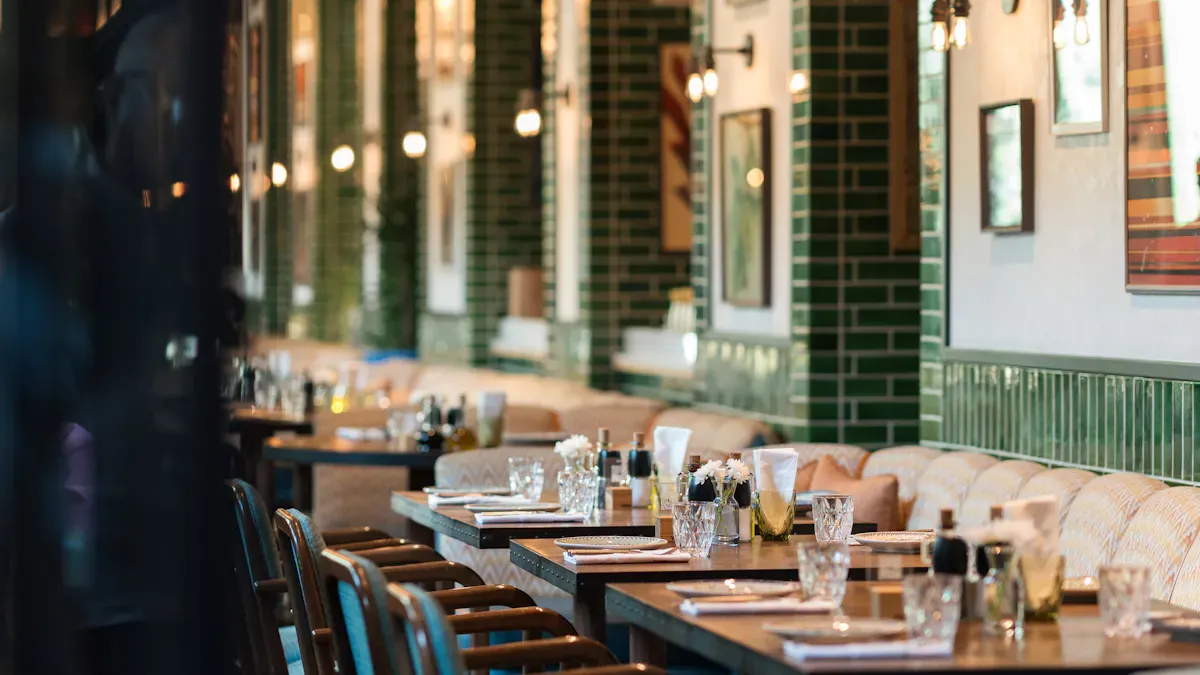
The theme of a restaurant plays a crucial role in selecting hotel dining tables and chairs. The furniture must reflect the restaurant’s concept to create a cohesive environment. For instance:
- Fine dining establishments often choose elegant materials and sophisticated designs.
- Casual dining venues may opt for simpler, more functional styles.
- Consistency between the menu and furniture enhances brand image and customer satisfaction.
The choice of chairs significantly impacts both aesthetics and comfort. Different themes require specific chair designs, such as modern, rustic, or luxury styles. The right chairs not only complement the overall visual narrative but also influence how long diners stay, affecting their overall experience.
Color and Design Considerations
Color selection is vital in enhancing the ambiance of hotel dining areas. Warm colors like red, orange, and yellow stimulate appetite and encourage social interaction. In contrast, cool colors such as blue and green promote relaxation, making them suitable for tranquil dining experiences. Here are some current trends:
- Earthy tones and biophilic designs incorporate natural elements, fostering a connection with nature.
- Accent colors and artwork can add visual interest and cultural relevance.
“The lighting also plays a crucial role in color perception,” said Mr. Lin, Chief Engineer at Taisen.Lighting also plays a critical role in color perception. Warm lighting can make colors appear more vibrant, creating a welcoming atmosphere. Warmer tones contribute to a homely ambiance, encouraging longer stays and enhancing the dining experience.
By carefully considering style and aesthetics, restaurant owners can create inviting spaces that resonate with their target audience and elevate the overall dining experience.
Material and Durability
Choosing High-Traffic Materials
Selecting the right materials for hotel dining tables and chairs is crucial for ensuring longevity and performance in high-traffic environments. The following materials are proven to withstand the rigors of daily use in commercial dining settings:
- Metal Mouldings: These offer superior durability compared to wood and vinyl. They resist fire, rotting, and pests, making them easy to clean and maintain over time.
- Stainless Steel: Known for its resistance to denting, scraping, and corrosion, stainless steel is also easy to clean, making it ideal for busy restaurants.
- Brass and Bronze: These metals are stronger than copper and can develop a patina without flaking, adding character to the furniture.
- Luxury Vinyl Tile (LVT): This material excels in high-traffic areas due to its exceptional wear resistance, water and stain resistance, and low maintenance requirements.
For surfaces, consider using laminates:
- HP Laminate: Highly durable, this laminate is perfect for horizontal surfaces and can withstand impacts.
- LP Laminate: Suitable for vertical surfaces, LP laminate offers similar aesthetics to HP laminate.
These materials not only enhance the aesthetic appeal of hotel dining tables and chairs but also ensure they can endure heavy footfall and frequent use.
Maintenance and Longevity
The longevity of hotel dining furniture directly correlates with the materials chosen. Understanding the expected lifespan of various materials can help in making informed decisions. The table below outlines the average lifespans of common furniture categories used in commercial settings:
| Furniture Category | Expected Lifespan (Years) |
|---|---|
| Dining Chairs | 5-7 |
| Tables | 7-10 |
Choosing durable materials can significantly reduce maintenance costs over time. For instance, hardwoods like teak and oak are known for their toughness and longevity. They require minimal maintenance, primarily occasional polishing, compared to softwoods like pine, which are more prone to scratches and require more frequent upkeep.
The following considerations can help minimize maintenance challenges:
- Select durable wood types, such as oak or cherry, for their longevity.
- Assess the material’s ability to withstand daily wear and tear.
- Weigh the initial cost against long-term maintenance savings.
Different materials present unique maintenance challenges. For example, engineered wood is susceptible to moisture damage and requires quick cleanup of spills. Upholstered furniture may fade in bright areas and needs regular vacuuming and conditioning. Metal furniture can rust if not protected from moisture, while bamboo requires sealing to withstand humidity.
By carefully selecting materials and understanding their maintenance needs, restaurant owners can ensure their hotel dining tables and chairs remain functional and visually appealing for years to come.
Comfort and Ergonomics
Importance of Customer Comfort
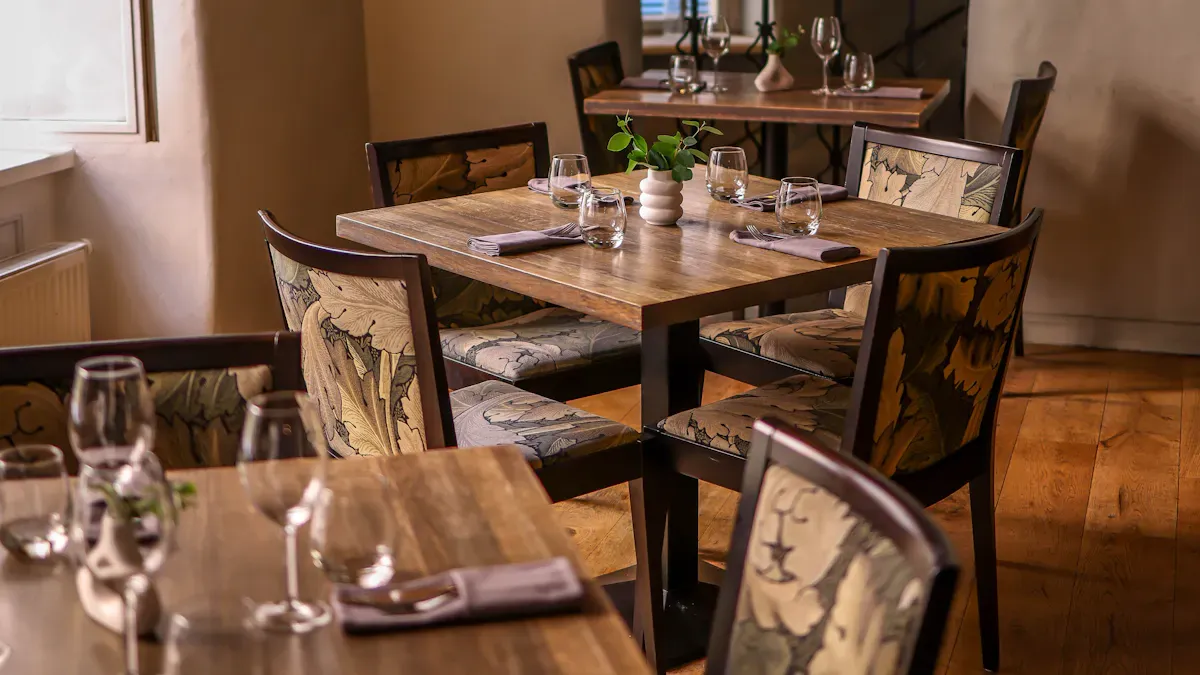
Customer comfort plays a vital role in the success of hotel restaurants. Research shows that guest satisfaction with food and service quality strongly influences repeat business. Comfortable seating and a welcoming atmosphere encourage diners to stay longer and return more often. When guests feel relaxed, they enjoy their meals and develop loyalty toward the establishment. Hotel restaurants that prioritize comfort create positive experiences, which lead to stronger relationships with customers and sustained profitability.
Ergonomic Design Features
Selecting hotel dining tables and chairs with ergonomic features enhances guest comfort during extended meals. The following table outlines key design elements that support diners’ well-being:
| Ergonomic Feature | Description |
|---|---|
| Lumbar Support | Maintains the natural curve of the spine, preventing lower back pain during long seating. |
| Adjustable Height | Accommodates diverse body sizes by allowing guests to find their ideal sitting position. |
| Armrests | Supports arms and shoulders, reducing tension in the neck and upper back. |
| Cushioned Seating | Uses high-density foam to provide comfort while maintaining shape and support. |
| Breathable Fabric | Regulates temperature and prevents discomfort caused by heat during long dining sessions. |
Ergonomic furniture benefits staff as well. Comfortable seating and tables reduce fatigue and prevent injuries among employees. This leads to better focus, faster service, and higher customer satisfaction. A well-designed dining environment supports efficient workflows and creates a cozy atmosphere for everyone.
Investing in ergonomic hotel dining tables and chairs improves both guest experience and operational efficiency, making it a smart choice for commercial restaurant spaces.
Budget Considerations
Balancing Quality and Cost
When selecting hotel dining tables and chairs, balancing quality and cost is essential. Restaurant owners should prioritize durable, commercial-grade materials like laminate tabletops and reinforced metal frames. These choices provide affordability without sacrificing longevity. Here are some strategies to consider:
- Bulk Purchasing: Consider negotiating package deals to reduce upfront costs while maintaining quality.
- Long-Term Value: Factor in maintenance, repair, and replacement costs to avoid frequent expenses.
- Comfort and Brand Alignment: Ensure that the selected furniture enhances the guest experience and supports the restaurant’s atmosphere.
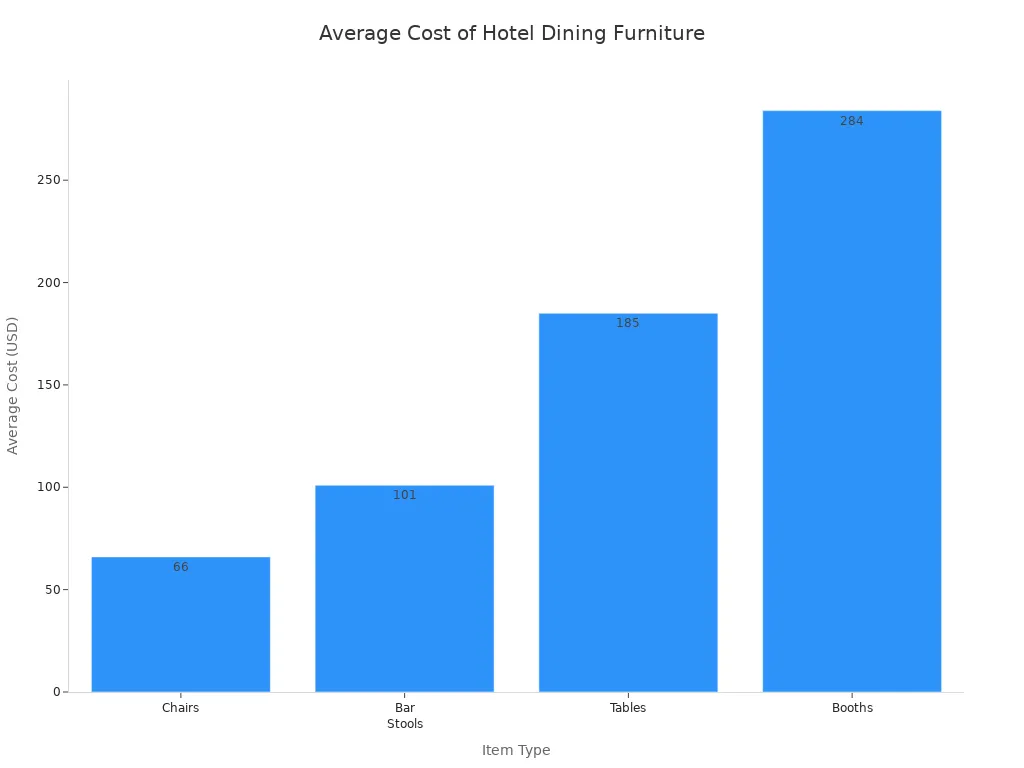
The average cost for high-quality hotel dining furniture varies. For instance, chairs typically average around $66, while tables can cost about $185. Below is a summary of average costs for various items:
| Item Type | Average Cost |
|---|---|
| Chairs | $66 |
| Bar Stools | $101 |
| Tables | $185 |
| Booths | $284 |
Long-Term Investment
Investing in durable hotel dining furniture yields significant long-term financial benefits. High-quality pieces minimize repair and replacement costs, leading to substantial savings over time. Consider these advantages:
- Enhanced Comfort and Aesthetics: Quality furniture can increase the resale value of the property.
- Sustainability: Durable materials reduce waste and improve indoor air quality.
- Positive Impact on Property Value: Well-furnished properties attract buyers, especially when the furniture is of high standard.
Investing in high-quality furniture is a smart financial decision that can yield future returns. By prioritizing quality, restaurant owners can create inviting spaces that enhance guest satisfaction and foster loyalty.
Supplier Selection
Finding Reliable Suppliers
Choosing a reliable supplier for hotel dining tables and chairs ensures smooth procurement and long-term satisfaction. Restaurant owners should ask key questions to identify trustworthy partners:
- How long has the supplier served the hospitality industry?
- Do they specialize in contract or custom hotel furniture solutions?
- Can they provide references from luxury hotels or previous projects?
Reliable suppliers offer a broad product range that matches the hotel’s design and quality needs. They provide competitive pricing without sacrificing durability. Excellent customer service is essential, guiding buyers through product selection, returns, and problem resolution. Confirm delivery options and schedules to avoid delays that disrupt hotel operations.
Warranty and after-sales services play a critical role. A supplier should offer clear warranty terms and spare parts availability. Strong after-sales support helps maintain furniture quality and guest satisfaction. This support protects the hotel’s investment and reduces future costs.
Evaluating Supplier Reputation
Evaluating a supplier’s reputation requires careful research. Consider these criteria:
| Criteria | Description |
|---|---|
| Industry Experience | Suppliers with proven hospitality experience understand specific demands and regulations. |
| Compliance with Standards | Certifications like BIFMA and ISO show adherence to quality and safety protocols. |
| Quality of Materials | High-quality manufacturers ensure durability and safety for heavy hotel use. |
| After-Sales Support | Comprehensive warranties and responsive customer service enhance reliability. |
Research online reviews and industry profiles to verify these factors. Suppliers with strong reputations consistently deliver quality products and reliable service. Choosing such partners reduces risks and supports the hotel’s operational goals.
Selecting the right supplier combines thorough evaluation of product quality, service, and reputation. This approach ensures the hotel acquires durable, stylish furniture that enhances guest experience and operational efficiency.
Choosing hotel dining tables and chairs requires careful consideration of several key factors:
- Durability is essential; select furniture that withstands the demands of a commercial environment.
- Comfort should be prioritized; look for chairs with good back support and durable upholstery.
- Style must align with your brand’s identity, creating a welcoming atmosphere.
Thoughtful selection enhances customer experience and supports business goals. Taisen aligns furniture selection with brand values to create a harmonious and immersive dining experience, leaving a lasting impression on customers.
FAQ
What materials are best for high-traffic restaurant furniture?
Durable materials like metal, stainless steel, and high-pressure laminate withstand heavy use and require minimal maintenance.
How can I ensure customer comfort in my restaurant?
Choose ergonomic chairs with lumbar support and cushioned seating to enhance guest comfort during meals.
What is the average lifespan of restaurant dining furniture?
Dining chairs typically last 5-7 years, while tables can endure 7-10 years with proper care and maintenance.