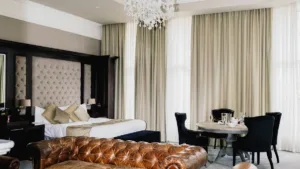
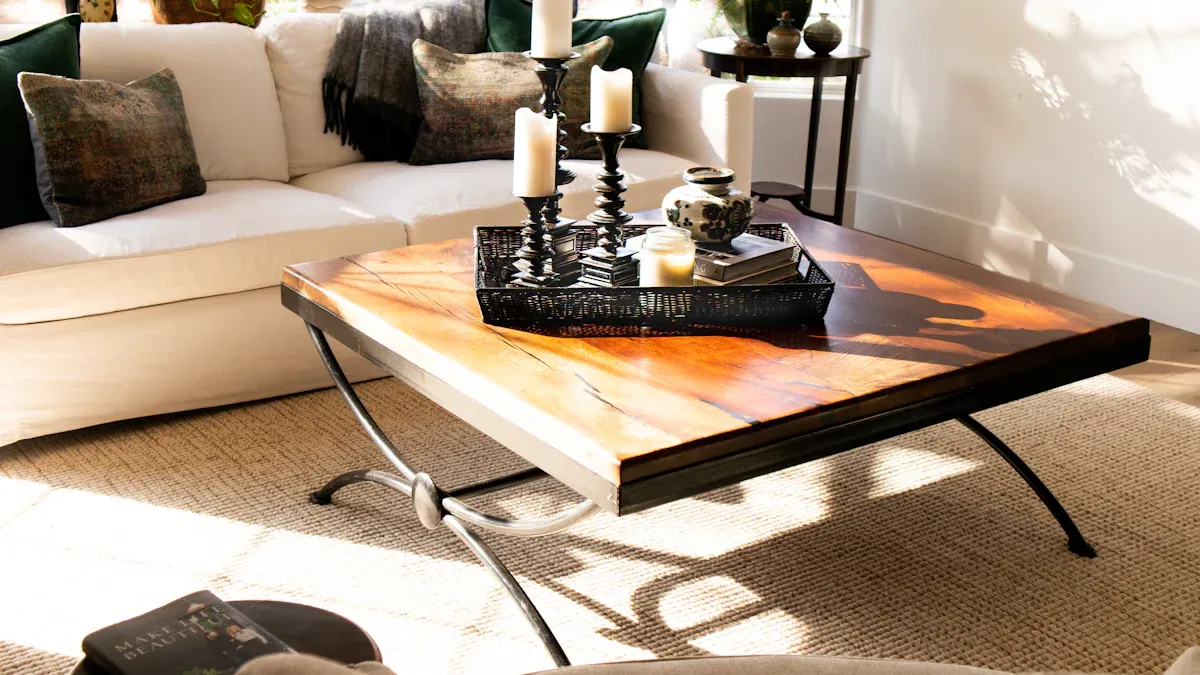
Custom hotel furniture refers to pieces specifically designed to meet the unique aesthetic and functional needs of a hotel, while standard hotel furniture consists of mass-produced items designed for durability in high-traffic environments.
The primary differences between hotel furniture customization vs standard options include design flexibility, craftsmanship quality, and material selection. Understanding these distinctions is crucial for hotel owners and designers. Custom furniture enhances guest experience and aligns with brand identity, whereas standard hotel furniture offers cost-effective solutions for quick setups.
When is standard hotel furniture preferable? In situations where budget constraints are a priority or when rapid deployment is necessary, standard options may be the best choice.
Custom hotel furniture can lead to long-term savings and improved functionality, making it a valuable consideration in hotel furniture project guides. Additionally, hotel casegoods customization allows for tailored solutions that can elevate the overall ambiance of a hotel.
Key Takeaways
- Custom hotel furniture enhances guest experience by reflecting the hotel’s unique brand identity.
- Standard hotel furniture offers cost-effective solutions, ideal for budget-conscious hotels needing quick setups.
- Custom furniture allows for design flexibility, enabling hotels to create tailored solutions that fit their specific needs.
- Standard furniture is durable and easy to maintain, making it suitable for high-traffic environments.
- Choosing the right furniture involves balancing budget, brand identity, and guest satisfaction.
Definition of Custom Hotel Furniture
Custom hotel furniture represents a tailored approach to furnishing hotel spaces, designed specifically to meet the unique needs and branding of each establishment. This type of furniture goes beyond mere functionality; it embodies the hotel’s identity and enhances the overall guest experience.
Key characteristics of custom hotel furniture include:
- Style and Branding: Custom pieces reflect the hotel’s aesthetic, aligning with its theme and target market.
- Design Flexibility: Designers can choose materials, colors, and finishes that resonate with the hotel’s vision. This flexibility allows for creativity and personalization, making each piece unique.
- Functionality: Custom furniture is crafted to meet specific operational needs, ensuring that it serves its purpose effectively in various areas such as guest rooms, lobbies, and restaurants.
The manufacturing process for custom hotel furniture often involves high-quality materials. Common choices include:
- Hardwoods: Mahogany, Oak, Walnut, and Teak provide durability and elegance.
- Metal Finishes: Brass, Stainless Steel, and Aluminum add a modern touch.
- Upholstery Options: Fabrics like Velvet, Leather, and Linen enhance comfort and style.
- Marble Surfaces: Ideal for lobby tables and reception desks, marble adds a luxurious feel.
- Eco-Friendly Materials: Reclaimed wood and bamboo cater to sustainability-conscious hotels.
- Fire-Resistant Materials: Treated hardwood and flame-retardant upholstery ensure safety in high-traffic areas.
The process of creating custom hotel furniture involves several steps. Manufacturers prepare raw materials, which are then processed into usable forms. For instance, Medium Density Fiberboard (MDF) is created by compressing wood fibers under high pressure, ensuring stability and durability. This versatility makes MDF a popular choice for luxury hotel furniture.
Definition of Standard Hotel Furniture
Standard hotel furniture refers to mass-produced items designed specifically for the hospitality industry. This type of furniture prioritizes durability, functionality, and aesthetic appeal, catering to the needs of hotels that require reliable furnishings for high-traffic environments. Standard hotel furniture is characterized by its robust construction, ensuring it withstands frequent use while maintaining an inviting appearance for guests.
Key features of standard hotel furniture include:
- Robustness: Designed to endure the wear and tear of daily use, standard hotel furniture often utilizes high-quality materials that resist damage.
- Aesthetic Appeal: While functionality is crucial, standard furniture also aims to create a welcoming atmosphere that enhances the guest experience.
- Cost-Effectiveness: Mass production allows for lower costs, making standard furniture an attractive option for budget-conscious hotel owners.
The specifications of standard hotel furniture are essential for ensuring quality and safety. Below is a summary of typical features and specifications:
| Feature | Specification |
|---|---|
| Case Goods | Minimum 3/4-inch thick panels for tops, sides, and bottoms; minimum 3/8-inch thick backs. |
| Drawer Boxes | Solid wood or multi-ply plywood with reinforced bottoms; commercial-grade drawer slides. |
| Upholstered Frames | Kiln-dried hardwood frames to prevent warping; joints glued, doweled, and reinforced. |
| Fire Safety | Compliance with state and national fire codes (e.g., CAL 117-2013, NFPA 260/261, NFPA 701). |
| ADA Compliance | Specific bed heights (17-19 inches), clear floor space (30×48), and accessible desk heights. |
| Tip-Over Restraints | Anti-tip devices for tall or heavy case goods. |
| USB Charging Ports | Integrated USB-A and USB-C ports with minimum output of 2.1A per port. |
| Power Outlets | Conveniently located AC power outlets for easy access. |
| Wireless Charging | Qi-standard wireless charging pads embedded in surfaces. |
| Cable Management | Discreet cutouts and channels for managing cables. |
Standard hotel furniture plays a vital role in creating functional and appealing spaces within hotels. By understanding its definition and specifications, hotel owners and designers can make informed decisions that align with their operational needs and guest expectations.
Advantages of Custom Hotel Furniture
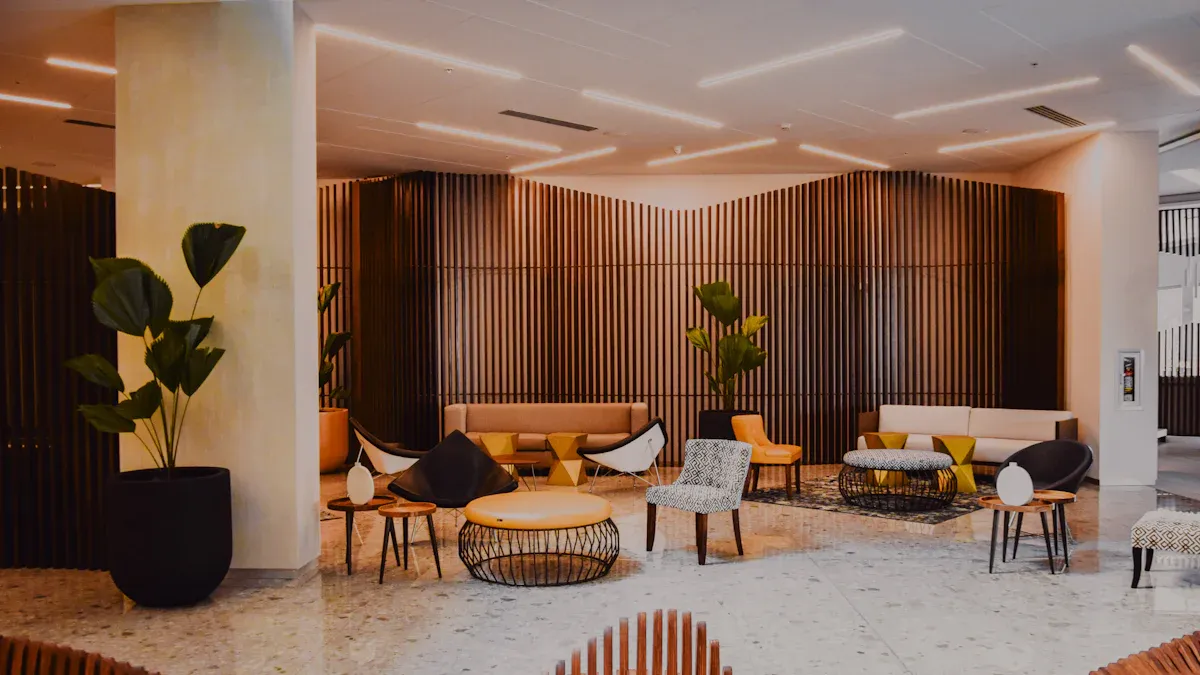
Custom hotel furniture offers numerous advantages that can significantly enhance a hotel’s appeal and operational efficiency. One of the primary benefits is its ability to foster a sense of belonging among guests. Unique designs create memorable experiences, leading to increased guest satisfaction and loyalty. When hotels invest in custom furniture, they reflect their commitment to excellence, setting themselves apart from competitors.
Here are some key advantages of custom hotel furniture:
- Hotel Brand Building: Customizing furniture helps create brand awareness and reinforces the hotel’s image. Tailored designs reflect the hotel’s identity, enhancing brand recognition.
- Value for Money: Custom furniture allows hotel managers to control quality and negotiate effectively with manufacturers. This control can lead to better long-term investments.
- Customization and Adaptability: Custom furniture can be designed to fit perfectly with the hotel’s unique designs. This adaptability ensures that the furniture aligns with the overall aesthetic and functional needs of the space.
- Ease of Renovation: Customized furniture can be tailored to fit new concepts during renovations. This flexibility allows hotels to refresh their look without starting from scratch.
- Faster Delivery: Manufacturers of customized furniture often complete orders quickly, enabling hotels to furnish their spaces in a timely manner.
Moreover, bespoke furniture incorporates branded elements, creating a cohesive and memorable environment for guests. Ergonomic designs in luxury furniture ensure maximum comfort, directly impacting guest satisfaction. Custom solutions also optimize space, allowing hotels to maintain style while maximizing functionality. Sustainable furniture options align with eco-conscious trends, enhancing the hotel’s brand image.
Disadvantages of Custom Hotel Furniture
While custom hotel furniture offers numerous benefits, it also presents several disadvantages that hotel owners and designers must consider. Understanding these drawbacks can help in making informed decisions.
One significant disadvantage is the higher costs associated with custom designs. The unique nature of these pieces often leads to increased expenses due to specialized materials and craftsmanship. Additionally, the longer lead times for custom furniture can pose challenges. The design approval process and prototyping stages can extend timelines, delaying the overall project.
Another concern is maintenance complexity. Custom pieces may feature unique components that require specialized repairs. This can lead to higher costs for spare parts and maintenance services. Furthermore, if a design flaw occurs, it can impact the entire project. This risk concentration means that there may be no alternative solutions readily available.
The following table summarizes these disadvantages:
| Disadvantage | Description |
|---|---|
| Higher Costs | Increased expenses due to custom design and production processes. |
| Longer Lead Times | Extended timelines required for design approvals and prototyping. |
| Maintenance Complexity | Unique components may need specialized repairs and higher spare part costs. |
| Risk Concentration | A design flaw can impact the entire project without alternative solutions. |
In comparison to standard furniture, custom options often involve a more significant initial investment. The following table illustrates the differences in costs and lead times:
| Type of Furniture | Initial Cost | Lead Time | Long-Term ROI |
|---|---|---|---|
| Standard Furniture | Lower upfront cost | Shorter lead times | Higher replacement frequency |
| Custom Furniture | Higher upfront cost | Longer lead times | Better ROI due to durability and fit |
Advantages of Standard Hotel Furniture
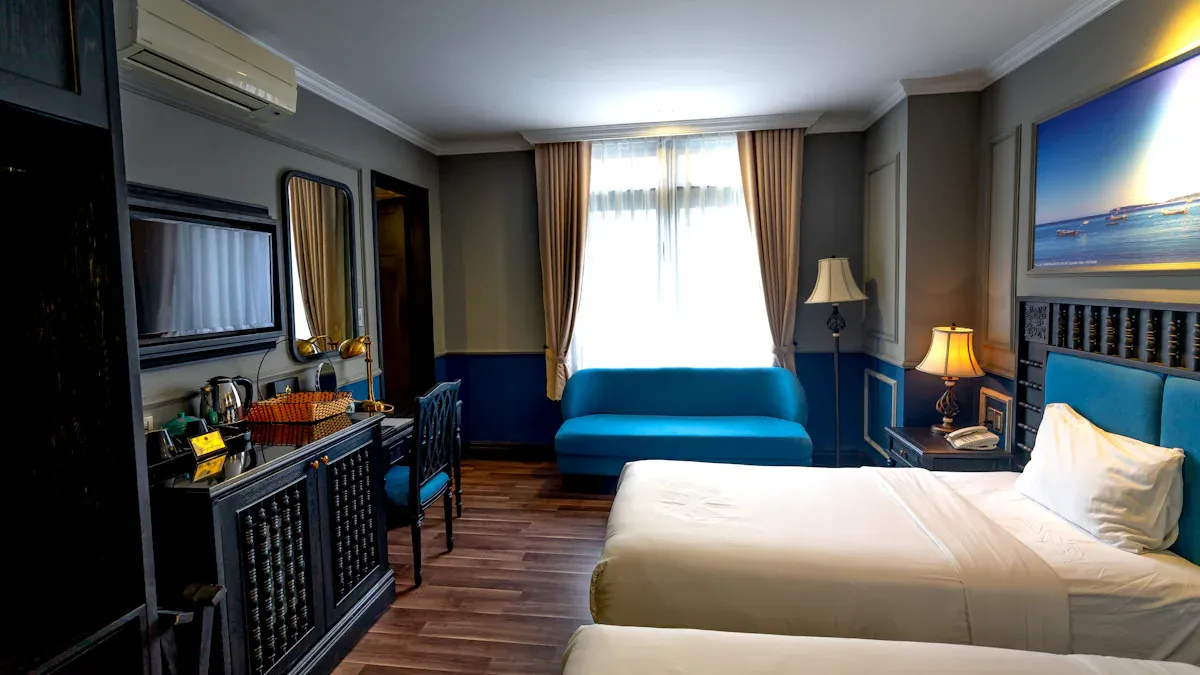
Standard hotel furniture offers several advantages that make it a popular choice among hotel owners. These benefits primarily revolve around cost-effectiveness, operational efficiency, and guest satisfaction.
-
Lower Upfront Costs: Mass-produced furniture significantly reduces initial investment. This affordability is crucial for budget-conscious hotels aiming to furnish their spaces without overspending.
-
Faster Procurement: Standard furniture can be delivered quickly, making it ideal for urgent renovations or tight timelines. Hotels can avoid delays and ensure that their rooms are ready for guests promptly.
-
Consistency and Maintenance: Standard furniture ensures uniform quality across all pieces. This consistency simplifies maintenance and reduces downtime, allowing hotel staff to focus on guest services rather than repairs.
-
Practicality for Budget Hotels: Economy and mid-scale hotels benefit from standard furniture’s ability to create functional and aesthetically pleasing rooms affordably. This practicality helps maintain a welcoming atmosphere for guests.
The following table summarizes the primary advantages of standard hotel furniture:
| Advantage | Description |
|---|---|
| Customer Satisfaction | High-quality, comfortable furniture enhances guest satisfaction and loyalty to the brand. |
| Cost Control | Cost considerations vary by hotel rating, impacting furniture selection based on budget. |
| Durability | Durable furniture reduces maintenance costs and increases longevity, especially in upscale hotels. |
| Brand Image | Well-designed furniture reflects attention to detail, enhancing guests’ impressions of service. |
Disadvantages of Standard Hotel Furniture
Standard hotel furniture, while practical, presents several disadvantages that hotel owners should consider. These drawbacks can affect both operational efficiency and guest satisfaction.
-
Higher Initial Cost: Although standard furniture is mass-produced, the initial investment can still be significant. The costs associated with delivery and installation can add up, making it more expensive than loose furniture options.
-
Lack of Flexibility: Once standard furniture is installed, it becomes challenging to rearrange or move. This rigidity limits the ability to adapt to changing interior trends or to reconfigure spaces for different events.
-
Difficult to Repair or Replace: If standard furniture sustains damage, repairs can be complicated. Often, it requires renovations or complete replacements, leading to increased downtime and costs.
Additionally, the lack of customization in standard hotel furniture can hinder a hotel’s ability to differentiate itself in a competitive market.
-
Standardized Design: Standard furniture does not cater to unique operational needs. This limitation can diminish the overall guest experience, as it may not align with the hotel’s branding or aesthetic.
-
Functional Limitations: Unlike custom furniture, standard options do not allow for adjustments in dimensions, materials, or functions. This lack of adaptability can impact both functionality and aesthetics.
-
Brand Identity Challenges: Custom furniture supports brand identity and enhances guest comfort. In contrast, standard options may fail to create a memorable atmosphere, which is essential for differentiation in the hospitality industry.
Comparative Analysis
Budget Considerations
When evaluating budget considerations, hotel owners must weigh the initial costs against long-term value. Custom hotel furniture typically requires a higher upfront investment compared to standard options. For instance, a table comparing costs reveals that low-cost furniture may start at $250, while high-quality custom pieces can reach $450. However, the longevity of custom furniture often offsets these initial costs.
| Category | Low-Cost Furniture | Starjoy High-Quality Furniture |
|---|---|---|
| Initial Purchase Price | $250 | $450 |
| Lifespan | 12-18 Months | 5-8 Years |
| Repair/Downtime Loss | $450 | $0 |
| Total Cost Over 5 Years | $1,700+ | $450 |
This analysis indicates that while standard furniture may seem more affordable initially, custom options can provide better long-term value due to their durability and reduced replacement frequency.
Design Flexibility
Design flexibility is another critical factor in the comparison between custom and standard hotel furniture. Custom furniture allows hotels to reflect their unique identity and brand. Designers can incorporate local culture and individual property stories into their creations. This flexibility enables the use of locally sourced materials and non-standard room layouts, resulting in furniture tailored specifically for the space.
In contrast, standard hotel furniture prioritizes brand consistency and operational efficiency. This often leads to uniform room designs that limit creative variations. As a result, hotels may miss opportunities to create memorable experiences for guests.
Impact on Guest Experience
The choice between custom and standard furniture significantly influences guest satisfaction. Custom furniture enhances the overall guest experience by providing tailored solutions that align with hotel branding. This design cohesiveness can lead to higher guest satisfaction scores.
| Factor | Custom Furniture Benefits | Standard Furniture Limitations |
|---|---|---|
| Design Cohesiveness | Tailored solutions enhance guest experience and align with hotel branding. | May not meet specific design needs or expectations. |
| Durability | Built with commercial-grade materials for longer lifecycles and reduced replacement costs. | Often less durable, leading to higher replacement rates. |
| Comfort | Ergonomic designs that enhance guest comfort throughout their stay. | May lack specific comfort features tailored to guests. |
| Brand Differentiation | Allows for unique looks that reflect the hotel’s identity and target market. | Limited options for customization and brand expression. |
| Functional Features | Can include built-in USB ports and hidden storage solutions for enhanced usability. | Typically lacks advanced functional features. |
Longevity and Durability
Longevity and durability are critical factors when choosing between custom and standard hotel furniture. Custom hotel furniture typically lasts 10 years or more with proper maintenance. In contrast, standard hotel furniture generally requires replacement after 5 to 7 years. This difference in lifespan can significantly impact a hotel’s long-term investment strategy.
Custom furniture often utilizes high-quality materials and craftsmanship, which contribute to its durability. However, it requires specific care due to its bespoke nature. Hotel owners should be aware that poor maintenance can lead to costly repairs. Basic maintenance tips can help preserve the quality of custom furniture, ensuring it remains functional and visually appealing over time.
- Custom furniture may need specialized maintenance, which can be more expensive and time-consuming.
- Standard furniture typically has less variability in quality, potentially leading to more frequent replacements.
On the other hand, standard hotel furniture offers a more straightforward maintenance approach. Its mass-produced nature means that it often adheres to common quality standards, making repairs easier and less costly. However, this simplicity comes at a cost. Standard pieces may lack the unique design elements that enhance a hotel’s brand identity.
How to Choose the Right Option
Choosing the right furniture for a hotel involves careful consideration of various factors. Hotel owners must assess their specific needs, budget constraints, and brand identity to make informed decisions.
Assessing Hotel Needs
When evaluating furniture options, hotel owners should consider several criteria:
- Durability: Furniture must withstand daily use and maintain its appearance over time.
- Functionality: Each piece should serve its intended purpose effectively, enhancing guest experiences.
- Sustainability: Environmentally friendly materials and practices are increasingly important in today’s market.
- Cost-effectiveness: Balancing quality with budget constraints is essential for financial viability.
Additionally, hotel owners should differentiate between movable and fixed furniture. Movable items, such as beds and chairs, allow for flexibility in room layouts. In contrast, fixed pieces, like built-in wardrobes, provide a permanent solution that can enhance the overall design.
Budgeting for Furniture
Budgeting plays a crucial role in the decision-making process. Standard hotel furniture typically offers lower upfront costs, making it an attractive option for larger hotels that prioritize cost-effectiveness. These establishments often require consistency across multiple locations to maintain a uniform guest experience.
On the other hand, boutique and luxury hotels may opt for custom hotel furniture to enhance their unique brand identity. This choice allows them to meet specific guest expectations and stand out in a competitive market. While the initial investment may be higher, the long-term benefits can justify the expense.
Considering Brand Identity
Brand identity significantly influences furniture selection. Custom furniture allows hotels to reflect their unique aesthetic and values, creating a memorable atmosphere for guests. Tailored designs can incorporate local culture and stories, enhancing the overall guest experience.
In contrast, standard furniture may lack the distinctive elements that contribute to a hotel’s brand image. While it provides a practical solution, it may not resonate with guests seeking a unique experience. Therefore, hotel owners must weigh the importance of brand identity against budgetary constraints when making their final decision.
In summary, the differences between custom and standard hotel furniture are significant. Custom hotel furniture offers unique designs tailored to specific needs, while standard furniture provides established options with shorter lead times.
Hotel owners must align their furniture choices with overall goals. Consider the following aspects:
| Aspect | Explanation |
|---|---|
| Brand Identity | Furniture serves as a tangible expression of a hotel’s brand, influencing guest perceptions. |
| Guest Experience | Quality furniture enhances comfort and satisfaction, directly impacting the overall guest experience. |
| Operational Efficiency | Thoughtful furniture choices can improve functionality and streamline hotel operations. |
| Aesthetic Appeal | The design and style of furniture contribute to the visual identity of the hotel, reinforcing branding. |
| Sustainability | Eco-friendly furniture choices align with modern brand values, appealing to conscious travelers. |
Careful evaluation of options ensures that hotels meet their unique needs while enhancing guest satisfaction.
FAQ
What is the main benefit of custom hotel furniture?
Custom hotel furniture enhances brand identity and guest experience. It allows hotels to create unique designs that reflect their aesthetic and operational needs, leading to increased guest satisfaction.
How does standard hotel furniture impact costs?
Standard hotel furniture typically offers lower upfront costs due to mass production. This affordability makes it an attractive option for budget-conscious hotels needing quick and efficient furnishing solutions.
Can custom furniture be more durable than standard options?
Yes, custom furniture often uses high-quality materials and craftsmanship, resulting in greater durability. This longevity can lead to lower replacement costs over time compared to standard furniture.
How long does it take to receive custom hotel furniture?
The lead time for custom hotel furniture varies based on design complexity and manufacturer capabilities. Generally, it may take several weeks to a few months from design approval to delivery.
Is standard hotel furniture suitable for luxury hotels?
While standard furniture can meet basic needs, luxury hotels often prefer custom options. Custom furniture allows for unique designs that enhance the overall guest experience and align with the hotel’s brand identity.