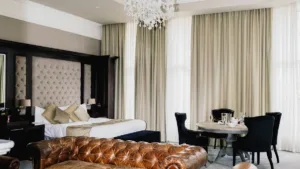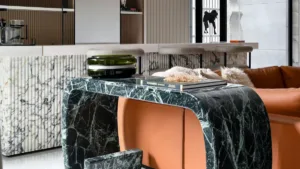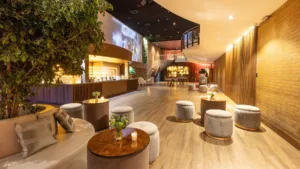
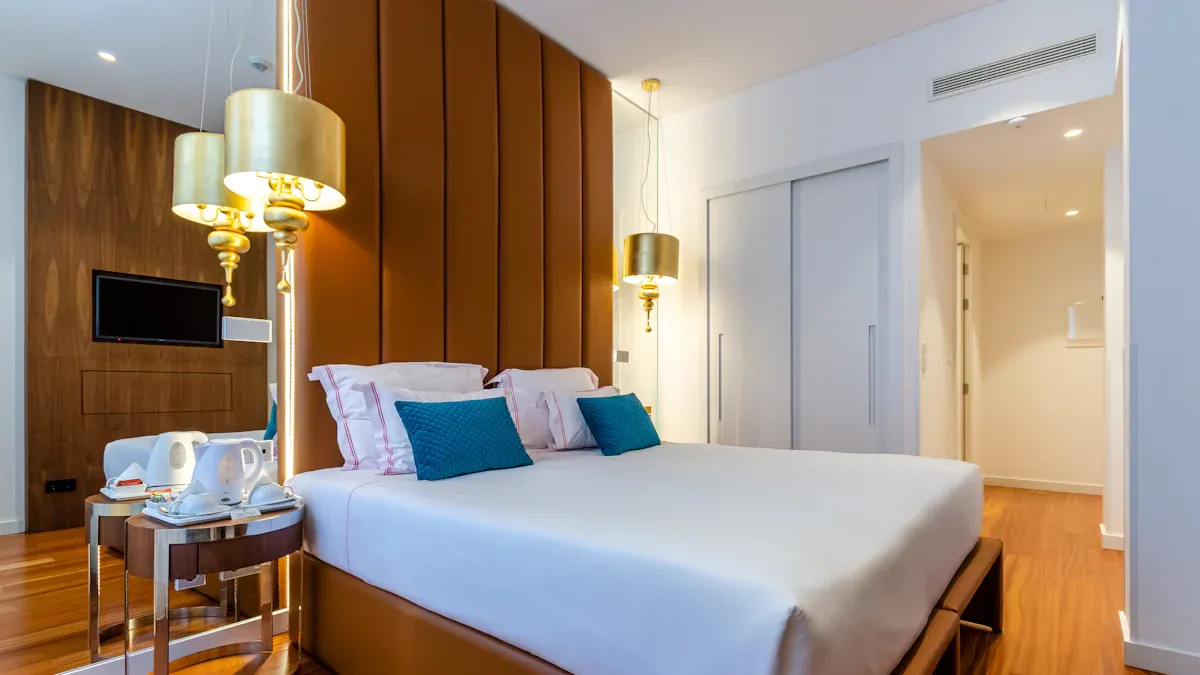
The ideal Hotel Guestroom Furniture style for a property depends on its brand identity, target guest, and operational goals. Well-designed Hotel Guestroom Furniture significantly improves overall guest satisfaction. Hotels with premium furnishings often receive higher ratings and more favorable reviews, showing a direct link between furniture quality and enhanced guest satisfaction. Selecting the right style requires evaluating modern and traditional options against these critical factors. This includes considering specific items like King Bed Hotel Room Furniture Sets or a complete Hotel Bedroom Set. Many suppliers specialize in making the American hotel bedroom set. Properties often choose Custom Hotel Furniture or specific Hotel Project Furniture to meet their unique needs.
Key Takeaways
- Choose hotel furniture that matches your brand and guest needs. This improves guest happiness.
- Modern furniture offers clean designs and technology. Traditional furniture provides classic elegance and comfort.
- Good furniture lasts longer and saves money. It also makes cleaning easier for staff.
- Balance good looks with practical use. This ensures guests are comfortable and happy.
- Pick furniture that can change with new trends. This protects your investment for the future.
Understanding Your Hotel’s Brand and Target Guest
Defining Your Hotel’s Core Values and Aesthetic
A hotel’s brand identity starts with its core values and aesthetic. These elements guide every decision, including furniture selection. Luxury hotel brands often prioritize values such as:
- Family
- Professionalism
- Adding Value
- Being a Good Neighbor
Other brands might focus on:
- Quality
- Integrity
- Community
- Profitability
- Fun
The aesthetic defines the visual appeal of a property. Boutique hotels, for example, use design to tell a unique story. They feature custom furnishings and eclectic art. Guestrooms are comfortable and practical. Common areas like libraries or rooftop bars encourage guest interaction. Luxury bathrooms with freestanding tubs enhance the experience. A brand-specific color palette is consistently applied. Visual elements like logos, signage, and marketing materials create immediate recognition. A well-designed visual identity sets expectations for guests.
Identifying Your Target Guest Demographics and Preferences
Understanding who stays at your hotel is crucial. Different guest demographics have different needs and preferences. Travelers who prefer modern hotel accommodations are often Millennials and Generation Z. These guests are tech-savvy. They expect seamless digital interactions, from booking to in-room technology. High-speed Wi-Fi and digital key access are important to them. They seek personalized and authentic experiences. Social media influences their choices, so they look for aesthetically pleasing spaces. Sustainability is also a key factor for these guests.
Business travelers have specific furniture preferences. A functional workspace is essential for them. This includes a work desk and an ergonomic chair. Work desks need a spacious surface, storage, and power access like USB ports. Adjustable lighting is also important. Work chairs should offer adjustable height and cushioned seating for proper support. A dressing table with a mirror also adds convenience for personal grooming.
Exploring Modern Hotel Guestroom Furniture
Key Characteristics of Modern Design
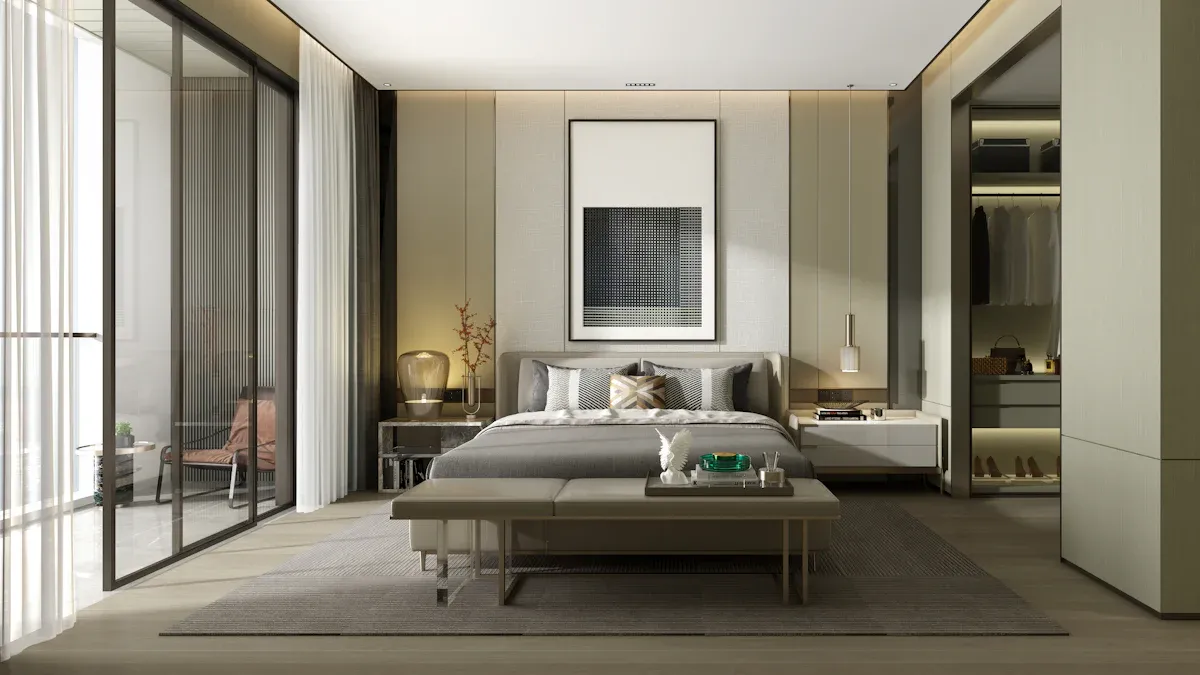
Modern design in Hotel Guestroom Furniture emphasizes clean lines and minimalist aesthetics. It often features sleek surfaces and integrated technology. Designers prioritize functionality, ensuring comfort and efficiency for guests. They use robust materials like hardwood, metal, and high-quality upholstery for durability. Sustainability is also a key consideration, with eco-friendly materials like reclaimed wood or bamboo.
Modern design encompasses several distinct styles. Industrial style uses raw wood and dark metals, giving a vintage feel. Biophilic design connects guests with nature through natural materials and indoor plants. Mid-Century Modern design features organic shapes and warm woods, inspired by the 1950s and 60s. High-tech and futuristic designs incorporate smart room controls and programmable LED lighting. These styles create unique looks through various materials, shapes, and colors.
Advantages for Specific Hotel Brands
Modern Hotel Guestroom Furniture offers significant advantages for certain hotel brands. It strongly appeals to younger demographics, such as Millennials and Generation Z, who appreciate contemporary aesthetics and integrated technology. Urban boutique hotels often choose modern designs to reflect a sophisticated, cutting-edge image. Properties in technology hubs also benefit from futuristic designs that align with their surroundings. This style helps hotels position themselves as innovative and forward-thinking. It provides a fresh, updated look that attracts guests seeking a vibrant and current experience.
Potential Disadvantages of Modern Hotel Guestroom Furniture
Despite its appeal, modern design has potential drawbacks. Some guests might find it too stark or impersonal if designers do not balance it with warmth and comfort. The minimalist approach can sometimes lack the cozy, inviting feel that traditional styles offer. High-tech features, while attractive, can become obsolete quickly, requiring frequent updates. This might lead to higher long-term maintenance costs. Additionally, durable, high-quality modern pieces can have a higher initial investment compared to some traditional options.
Exploring Traditional Hotel Guestroom Furniture
Key Characteristics of Traditional Design
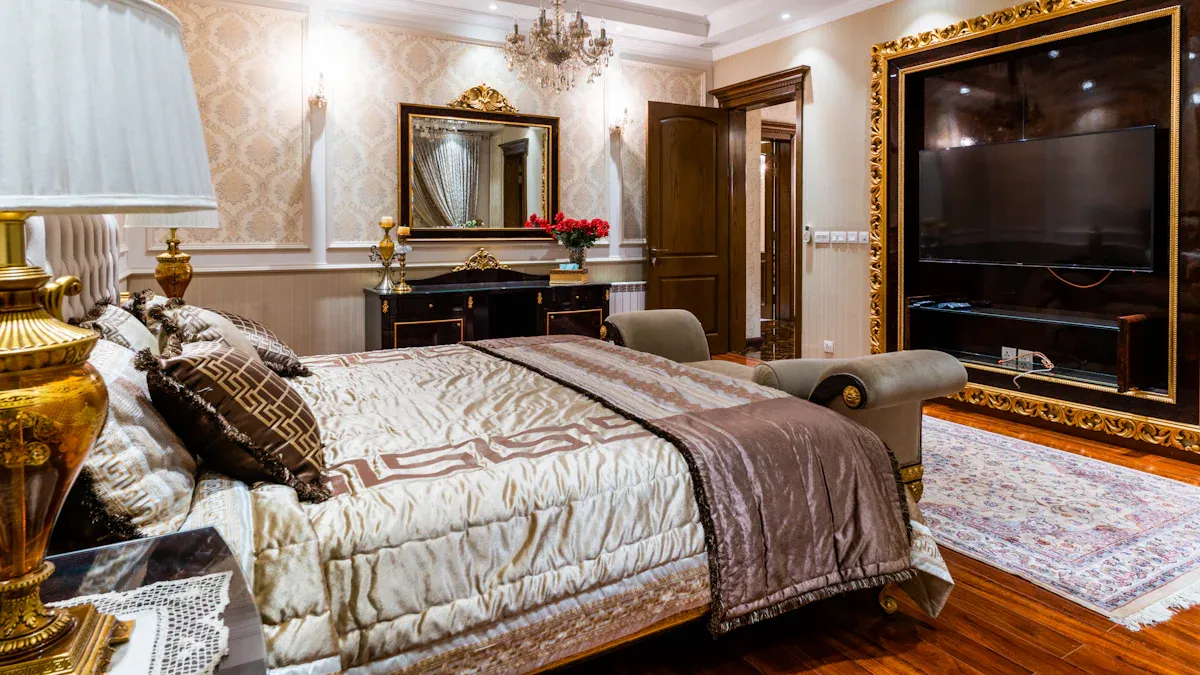
Traditional Hotel Guestroom Furniture often evokes a sense of history and grandeur. In the late 19th and early 20th centuries, hotel furniture design aimed to convey luxury and sophistication. This period featured grandiose designs with opulent materials. Rich woods, ornate carvings, and plush fabrics emphasized grandeur and comfort. Hotels like the Ritz in Paris and the Waldorf Astoria in New York exemplified this standard. Furniture from this era prioritized both aesthetics and durability. Craftsmen built pieces to last with quality materials and detailed workmanship. They often custom-made items to fit the hotel’s specific aesthetic.
Traditional design typically uses rich, warm colors like amber, deep greens, and muted pastels. These colors create a comforting and inviting atmosphere. Authentic materials such as polished mahogany, brass fixtures, and plush velvet provide tactile richness and convey opulence. Decorative accents like ornate mirrors, chandeliers, and antique vases add history and grandeur. These items serve as focal points. Classic patterns like damask, houndstooth, or floral prints appear in wallpapers, upholstery, or carpeting. These patterns reinforce the vintage theme. Vintage furniture, such as Chesterfield sofas or Louis XVI-style chairs, offers the charm of bygone eras. Their craftsmanship and stylized forms become signature items. Early hotel furniture design during the Victorian Era featured ornate and luxurious styles. Art Deco, from the 1920s-1930s, emphasized sleek lines, geometric shapes, and luxurious materials. Mid-century Modern Design, in the mid-20th century, focused on simplicity and functionality.
Advantages for Specific Hotel Brands
Traditional Hotel Guestroom Furniture offers distinct advantages for certain hotel brands. Luxury hotels often choose this style to reinforce their image of opulence and timeless elegance. Historic properties find traditional designs help maintain authenticity and connect guests with the building’s past. Hotels aiming for a classic, sophisticated, or residential feel also benefit. This style creates a warm, inviting, and familiar atmosphere. Guests seeking comfort and a sense of established luxury often prefer traditional settings. It can also appeal to an older demographic who appreciate classic aesthetics and craftsmanship.
Potential Disadvantages of Traditional Hotel Guestroom Furniture
Traditional design, while elegant, can present some drawbacks. Some guests might perceive it as outdated or heavy, especially if not updated with modern touches. The intricate designs and high-quality materials often lead to a higher initial investment. Ornate details can also make cleaning and maintenance more challenging. Traditional pieces tend to be larger and bulkier. This can limit space optimization in smaller guestrooms. It might also restrict flexibility for future design updates, as the style is less adaptable to contemporary trends.
Practical Considerations for Hotel Guestroom Furniture Selection
Budget and Long-Term Value
Selecting Hotel Guestroom Furniture involves more than just the initial purchase price. Hotels must consider the long-term value of their investment. A mid-range hotel, for example, typically budgets between $1,500 and $5,000 per room for furniture. Some properties allocate 150,000–250,000 Indian Rupees per room. Others in Thailand might set aside 300,000-400,000 Thai Baht per room. Investing in high-quality pieces can reduce frequent replacement needs. This approach saves money over time, even if the upfront cost is higher. Durable furniture withstands daily wear and tear, maintaining its appearance and functionality for longer periods.
Maintenance and Durability Requirements
Hotel furniture endures constant use, so durability is paramount. Materials must withstand frequent cleaning and heavy guest traffic. Laminate is a cost-effective and durable choice. It resists scratches, stains, and heat, making it ideal for surfaces like tabletops. Metal frames provide structural integrity for seating and require minimal maintenance. Commercial-grade leather and performance microfiber resist wear on upholstered items. Engineered wood with protective finishes works well for case goods. Stone surfaces withstand impacts, and tempered glass tabletops offer easy cleaning. Solid hardwoods like oak and teak naturally resist daily wear. Bamboo offers tensile strength.
Maintaining furniture properly extends its lifespan. Hotels should implement a proper cleaning routine. This includes daily dusting, using non-abrasive cleaners, and immediately wiping spills. Applying protective coatings on wooden surfaces helps. Preventing wear and tear involves using protective covers and rotating furniture periodically. Staff must follow proper handling procedures. For upholstery, vacuum weekly and use stain-resistant treatments. Professional deep cleaning every 3-6 months is beneficial. Wooden furniture needs regular polishing and coasters. Metal furniture requires wiping with a damp cloth and rust-resistant coatings for outdoor pieces. Regularly inspecting and tightening loose joints also prevents damage.
Guest Experience and Comfort Expectations
Guest comfort directly impacts satisfaction and repeat business. Ergonomics, the science of designing for human comfort, plays a central role in Hotel Guestroom Furniture design. This approach prioritizes guest needs, creating welcoming and relaxing environments. It offers proper support to reduce strain on the body.
Specific furniture features significantly enhance comfort:
- Beds: Comfortable mattresses with balanced support are essential. Adjustable headboards allow guests to read or recline easily. A mix of pillow types, from soft to firm, caters to individual preferences.
- Seating: Desk chairs with lumbar support promote better posture. Deep, cushioned lounge chairs with appropriate seat depth offer relaxation. Ottomans provide leg support.
- Workspaces: Desks at the right height prevent strain. Adjustable lighting aids reading or writing. Convenient, easy-to-reach power outlets are crucial for devices.
- Storage Solutions: Easy-to-reach closets and luggage racks at comfortable heights improve convenience. Smooth-gliding drawers ensure ease of use.
Smart furniture, such as adjustable beds and nightstands with wireless charging, allows guests to personalize their stay. Modular and multi-functional pieces, like sofas that transform into beds, make spaces flexible. Inclusive design ensures all guests feel comfortable. This includes furniture with adjustable heights or tactile surfaces.
Space Optimization and Room Layout
A well-designed furniture layout makes a compact hotel room feel inviting and intuitive. It directly impacts guest satisfaction. Space optimization is crucial in standard, compact rooms. Every inch counts for comfort without clutter. Designers prioritize guest circulation. Main walkways should be at least 90 cm (36 inches) wide. This prevents frustration and enhances comfort. Furniture should guide guests naturally. Clear walking paths are essential.
Strategic placement of the bed along the longest wall creates an open walkway. Positioning the bed first helps arrange other elements around it for optimal flow. Guests need easy movement around the room.
| Area | Recommended Space | Notes |
|---|---|---|
| Walking paths | 90 cm (36 inches) | Smooth movement |
| Bed to wall | 90–120 cm | Easy movement |
| Desk to chair | 75–90 cm | Comfortable clearance |
| Closet opening | 80–100 cm | Full door swing |
| Luggage zone | 60–90 cm | Sufficient for storage |
Utilizing floating nightstands or compact side tables saves space. Incorporating small, wall-mounted, or multi-purpose desks maximizes functionality. These desks can double as dining spots. Choosing multi-purpose furniture enhances utility without adding bulk. For example, ottomans with storage offer extra seating and hidden space. Layered and simple lighting contributes to the perception of space. This includes overhead, bedside, and reading lights. Using light colors and mirrors visually expands smaller rooms. This makes them feel luxurious when the layout flows naturally. Avoiding blocked access to windows, closets, or bathrooms is essential for functionality and perceived openness. Considering sliding doors can free up valuable floor area in smaller rooms.
Multi-functional furniture solutions are excellent for small guestrooms.
- Sofa beds with hidden storage serve as seating during the day. They transform into a bed at night. They also offer concealed space for luggage or extra linens.
- Foldable desks and wall-mounted tables provide a workspace when needed. Guests can stow them away to free up floor space.
- Sectional sofas can be reconfigured to create open areas. They accommodate small groups or offer various lounging arrangements.
- Stackable or nesting chairs are easy to store when not in use. This saves space.
Flexibility for Future Trends and Updates
Selecting furniture with flexibility in mind helps properties adapt to future trends. Design preferences and technological advancements change over time. Modular furniture allows for easy reconfiguration. Hotels can rearrange pieces to create new layouts or accommodate different guest needs. Neutral color palettes for larger items, like beds and dressers, provide a versatile base. Properties can update the room’s look with new linens, artwork, or accent pieces. This avoids the need for a complete furniture overhaul.
Durable materials also contribute to flexibility. High-quality construction ensures furniture lasts through many design cycles. Hotels can reupholster chairs or refinish tables. This extends their lifespan and updates their appearance. Investing in smart furniture with adaptable technology is another strategy. For example, charging stations that can be updated or replaced easily. This allows hotels to keep pace with guest expectations for connectivity. Prioritizing timeless designs over fleeting fads also ensures longevity. This reduces the frequency and cost of major renovations.
Blending Modern and Traditional Hotel Guestroom Furniture Styles
Creating Unique Guest Experiences
Blending modern and traditional styles offers hotels a unique opportunity to craft memorable guest experiences. This approach moves beyond a single aesthetic, creating spaces with character and depth. Properties achieve this by embracing timeless design principles, which often feature understated elegance and neutral color palettes. They also prioritize high-quality craftsmanship over mass production. Investing in handmade, artisanal furniture and decor ensures longevity and adds a sense of authenticity. Furthermore, hotels can blend local cultural influences into interiors. This creates an authentic sense of place for guests. For example, a hotel might combine contemporary luxury with old-world artistry. This could involve handcrafted mosaic tiles with sleek glass showers, or ornate gilded mirrors with minimalist LED lighting. Such combinations create a rich, layered environment that guests find both sophisticated and inviting.
Combining Functionality with Timeless Elegance
Successfully combining modern and traditional elements requires careful planning. Designers maintain proportional guidelines, ensuring similar scale and visual weight among different style pieces. They often select one dominant style or statement piece as a focal point. Then, they complement it with supporting furniture from the other style. Transitional pieces, which blend elements from both styles, create smooth connections within the room. Unifying colors and materials is also crucial. Designers identify a dominant color palette and integrate complementary hues. They use natural materials as connectors. Balancing different textures adds visual interest. This involves thoughtfully combining smooth with rough, plush with sleek, and matte with glossy finishes. A modern-style coffee or cocktail table often serves as a "universal donor" piece, blending well with various styles. It is important for the room to be predominantly modern or predominantly traditional, using accents of the other style rather than an equal mix. The architectural style of the room also guides these choices. For instance, a 19th-century brownstone can accommodate more traditional elements, while a 1960s ranch home might require a more contemporary approach.
Impact of Hotel Guestroom Furniture on Operational Efficiency
Ease of Cleaning and Upkeep
Efficient cleaning is crucial for hotel operations. Furniture choices directly affect how quickly and thoroughly housekeeping staff can clean rooms. Materials and design features can either simplify or complicate this process. Non-porous surfaces, for example, resist stains and are easy to wipe down. Simple designs with minimal crevices prevent dirt and dust from accumulating. This reduces cleaning time.
Hotels often select specific materials for their ease of maintenance:
| Furniture Part | Material/Finish | Reason for Easy Cleaning |
|---|---|---|
| Vanity Tops | Engineered quartz, Solid surface materials | Non-porous, stain resistance, repairability |
| Cabinet Boxes | Waterproof or MR (Moisture Resistant) plywood | Resists moisture |
| Cabinet Doors/Drawers | High-Pressure Laminates (HPL), Thermofoil | Resists scratches, moisture, impacts |
| Cabinet Doors/Drawers | Solid wood with a superior, multi-coat finish | Resists scratches, moisture, impacts |
| Surfaces (table tops) | High-Pressure Laminates (HPL) | Resistant to scratches, stains, heat |
Furniture design also plays a role. Recessed toe-kicks allow for faster floor cleaning. Wall-mounted vanities enable more thorough cleaning underneath. For upholstered items, hotels use fabrics known for their stain-resistant and easy-to-clean properties. These include Crypton and Sunbrella fabrics. Removable and washable slipcovers also extend the life of upholstered pieces by allowing for easy cleaning.
Durability and Replacement Cycles
The durability of furniture directly impacts a hotel’s operational budget and efficiency. Robust furniture withstands constant use and frequent cleaning. This reduces the need for early replacement. High-quality materials and construction mean furniture maintains its appearance and function for a longer period. This extends replacement cycles.
Investing in durable pieces saves money in the long run. Hotels avoid the costs associated with purchasing new items. They also save on labor for removal and installation. For example, solid wood furniture with strong joinery lasts many years. Metal frames resist bending and breaking. These choices minimize disruptions to guest stays. They also ensure rooms remain presentable and comfortable. Hotels can then allocate resources to other areas of guest service.
Aligning Hotel Guestroom Furniture with Market Trends
Responding to Evolving Guest Expectations
Guests today expect more from their hotel stays. They look for experiences that match their lifestyle. Technology plays a big role in these expectations. Guests of all ages are tech-savvy. They expect hotels to feature technology throughout their rooms. Many guests use smartphones and apps to control room elements. This includes lighting, temperature, and entertainment. Furniture design must adapt to these needs. It should house or interact with these systems. Smart furniture with integrated charging ports and data access points meets this demand. Built-in charging ports, wireless charging pads, and hidden lighting offer convenience. They also maintain a sleek, minimalist look. The "bring-your-own-device" (BYOD) trend means hotels need wireless compatibility in furniture for charging and connectivity.
Sustainability is another major focus. Guests care about environmental responsibility. They prefer eco-friendly practices. Hotels integrate nature into interiors through biophilic design elements. This enhances guest well-being. They use indoor greenery, maximize natural light, and choose earthy color palettes. Material selection is also key. Designers increasingly use:
- Recycled wood
- Bamboo
- Rattan and other wicker
- Reclaimed materials
- Organic textiles and fabrics
- Low-VOC finishes
These choices show a commitment to sustainability. They appeal to eco-conscious travelers.
Future-Proofing Your Investment
Hotels make smart choices to ensure their furniture lasts. They consider long-term value. This means selecting pieces that remain relevant and functional. When evaluating suppliers, hotels look for several key factors. Suppliers should demonstrate strong production and delivery capabilities. This manages tight project timelines. They must handle both small and large orders efficiently. Proper packaging prevents damage. Hotels also prioritize compliance, sustainability, and ethical standards. They look for eco-friendly practices and certifications like ISO or FSC.
A supplier’s past projects and client base show their capability. Hotels review these and seek references to build trust. Robust after-sales support is also crucial for long-term partnerships. This includes warranty coverage for defects, installation guidance, and maintenance instructions. Easy communication for replacements or repairs ensures smooth operations. Hotels also measure the return on investment (ROI) for new furniture. They track metrics like:
- Increase in guest satisfaction scores
- Occupancy rates
- Average daily rates (ADR)
- Length of guest stays
- Frequency of repeat bookings
- Operational costs for maintenance and upkeep
These metrics help hotels understand the value of their furniture choices.
Making the Final Decision for Your Hotel Guestroom Furniture
Prioritizing Brand Alignment
A hotel’s brand identity forms the bedrock of all design choices. Furniture style directly communicates a hotel’s brand story to guests. Customization allows hotels to create unique interiors. These interiors reinforce brand identity and make the guest experience memorable. This includes bespoke designs tailored to specific layouts, materials, and brand colors. A signature bed frame or uniquely styled seating can become part of the brand. The durability of furniture also reflects a commitment to quality. Guests may not consciously notice durability, but they will perceive worn or unstable pieces. This impacts brand integrity. Every interaction a guest has with furniture shapes their perception and memory of the hotel. Thoughtfully designed, comfortable furniture aligned with the brand’s style leaves a positive and lasting impression. Furniture becomes a strategic tool for branding.
Consider how different styles tell different stories. Southeast Asian style emphasizes natural materials like rattan, teak, and bamboo. It uses warm browns and natural greens. This creates a relaxed, resort-like atmosphere. Furniture is typically low and wide, fostering a sense of closeness to nature. Oriental Zen style focuses on simplicity and tranquility. It uses solid wood furniture, understated linen fabrics, and deliberate empty space. This creates a calm ambiance for inner peace. These styles show that hotel furniture is not just functional. It is also a cultural and spiritual expression. Localization in patterns, colors, and materials also plays a role. Patterns, colors, and materials in hotel furniture design are direct cultural symbols. Designers refine and reinterpret local elements. This achieves a spatial expression that tells a story. It directly communicates the hotel’s brand through cultural context.
Furniture style also communicates a hotel’s brand story through the choice of materials and finishes. These act as a visual language. Raw wood, brushed steel, or smoked glass each tell a different story. Glossy finishes convey modernity. Matte finishes suggest intimacy. The same piece of furniture can have different meanings based on its material. The design of a buffet layout can communicate efficiency with minimalist lines. It can also invite discovery with a more organic arrangement. This uses visual rhythm, heights, lighting, and signage to create a coherent scenography. A hotel cafe with black iron elements and warm tones can tell a story of urban comfort. One with glass and polished steel conveys a high-tech style. Every detail contributes to a symbolic universe. This expresses the hotel’s identity and desired emotions. Effective storytelling in a hotel’s brand identity requires visual and sensory consistency. Every detail, including furniture style, must align with the hotel’s chosen identity. This prevents a fragmented message and a disorienting guest experience. A contemporary furniture setting should not be paired with traditional tableware or a rustic buffet. This visual and material language must be consistent across all spaces and times. This includes breakfast to dinner, and from the lounge to the terrace. It ensures an unequivocal brand message.
Balancing Aesthetics with Practicality
While brand alignment is crucial, hotels must also balance aesthetics with practicality. Prioritizing style over usability can result in spaces that look good but are not functional. Overdoing the design is a common pitfall. Bold furniture or complex layouts might appear appealing in concept. However, they can make rooms less practical and comfortable for guests. Wasting valuable space is another issue. Overcrowding rooms with too much furniture makes them feel cramped. Underutilizing space can make areas feel unwelcoming. Every element should serve a purpose. This balances practicality and coziness.
Hotels must avoid common pitfalls when selecting furniture based solely on aesthetics. Uncomfortable and poorly arranged furniture can lead to negative guest experiences and reviews. Investing in visually appealing furniture without considering comfort and functionality is a mistake. Poor placement can also create cluttered or inefficient layouts. Overuse of trends instead of timeless design is another pitfall. Focusing too heavily on current trends can quickly make hotel spaces feel outdated. This leads to frequent and costly renovations. Prioritizing aesthetics over longevity can be an expensive mistake.
Choosing furniture without functionality in mind also creates problems. Selecting furniture primarily for its look rather than its durability or usability can lead to frequent maintenance issues and guest dissatisfaction. This includes using delicate materials, poor construction, or ill-fitting sizes. Underestimating guest room comfort is also detrimental. Prioritizing luxury finishes over actual comfort can negatively impact guest reviews. Issues like thin mattresses, awkward desk and chair setups, or noisy HVAC systems directly affect the guest experience. Hotels must ensure their furniture looks good, performs well, and provides comfort for every guest.
The optimal Hotel Guestroom Furniture style authentically reflects a property’s brand. It also resonates with its target guests. This style must support operational objectives. It should enhance the overall guest experience. Hotels must carefully weigh all factors. This ensures they select the style that best elevates their property’s unique identity.
FAQ
How does furniture style impact a hotel’s brand?
Furniture style directly communicates a hotel’s brand story. It creates a specific atmosphere for guests. Custom pieces reinforce brand identity. Durable furniture shows a commitment to quality. Every piece shapes guest perception and memory of the hotel.
What are the main differences between modern and traditional furniture?
Modern furniture features clean lines, minimalism, and integrated technology. It uses sleek surfaces. Traditional furniture emphasizes ornate details, rich woods, and classic patterns. It evokes history and grandeur. Each style targets different guest preferences.
Why is durability important for hotel furniture?
Durable furniture withstands constant use and frequent cleaning. This reduces the need for early replacement. High-quality materials save money long-term. Robust pieces maintain appearance and function. They minimize disruptions and keep rooms presentable for guests.
How can hotels balance aesthetics and practicality?
Hotels must avoid prioritizing style over usability. They should select furniture that looks good and functions well. Every element needs a purpose. This prevents cluttered rooms. Investing in comfortable, functional pieces ensures positive guest experiences and reviews.