
Furniture plays a big role in a hotel’s success. It makes guests happy and helps operations run smoothly. Hotels need to find a good mix of beautiful design, strong materials, and comfort for their visitors. Choosing the right hotel project furniture involves many important decisions. Finding the best Custom Hotel Furniture means balancing many factors. Hospitality Furniture Suppliers offer diverse options. Selecting Custom Luxury Hotel Project Furniture requires careful thought. Hotels also look for Wholesale Hotel Furniture for Projects to meet their extensive needs. This process ensures optimal hotel project furniture.
Key Takeaways
- Good hotel furniture makes guests happy and helps the hotel run well.
- The best furniture is strong, looks good, and works for guests.
- Furniture should match the hotel’s style and be easy to clean.
- Hotels need to think about how long furniture lasts, not just its price.
Defining "Best" for Hotel Project Furniture
The Holistic View of Quality
Defining "best" for hotel project furniture goes beyond just a pretty look. It involves a complete picture of quality. This means carefully checking materials. For example, hotels inspect wood components for warping or cracks. They ensure upholstery fabrics are fire-retardant and stain-resistant. Metal hardware must resist corrosion. Surface finishes should resist scratches and moisture. The manufacturing process also matters. Precision cutting and assembly prevent weak spots. Seamless finishing protects against wear. Strong joints make furniture stable. Hotels also conduct durability tests. They check weight-bearing capacity and impact resistance. They test moving parts and surfaces for abrasion. Humidity and moisture resistance are also important. Safety checks ensure fire compliance and non-toxic materials. Stability tests prevent tipping. Finally, aesthetic checks confirm consistent colors and flawless finishes.
Balancing Durability, Style, and Functionality
The best hotel project furniture finds a sweet spot between durability, style, and functionality. Furniture must withstand constant use from many guests. It needs to look good and match the hotel’s design. At the same time, it must serve its purpose well. A stylish chair that breaks easily or an elegant desk without enough space for a laptop fails to meet these needs. Hotels look for pieces that combine strong construction with appealing design and practical features. This balance ensures the furniture lasts long, looks great, and works for guests.
Guest Experience as the Ultimate Measure
Ultimately, the guest experience measures the best hotel project furniture. Guests feel relaxed and at ease with ergonomic chairs and plush mattresses. Soft lounge seating encourages longer stays. Furniture can also meet technological needs. Many guests appreciate built-in USB ports and charging stations. Smart storage solutions add convenience without sacrificing style. The choice of colors, textures, and materials also impacts a guest’s mood. Thoughtful selection creates a sense of exclusivity and well-being. This makes guests feel personally cared for. Engaging guests’ senses through furniture choices builds an emotional connection. It enhances their overall experience and influences their mood.
Aligning Hotel Project Furniture with Brand Identity
Understanding Your Hotel’s Brand and Guests
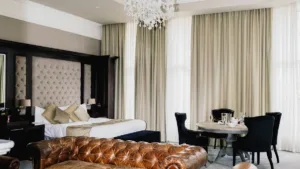
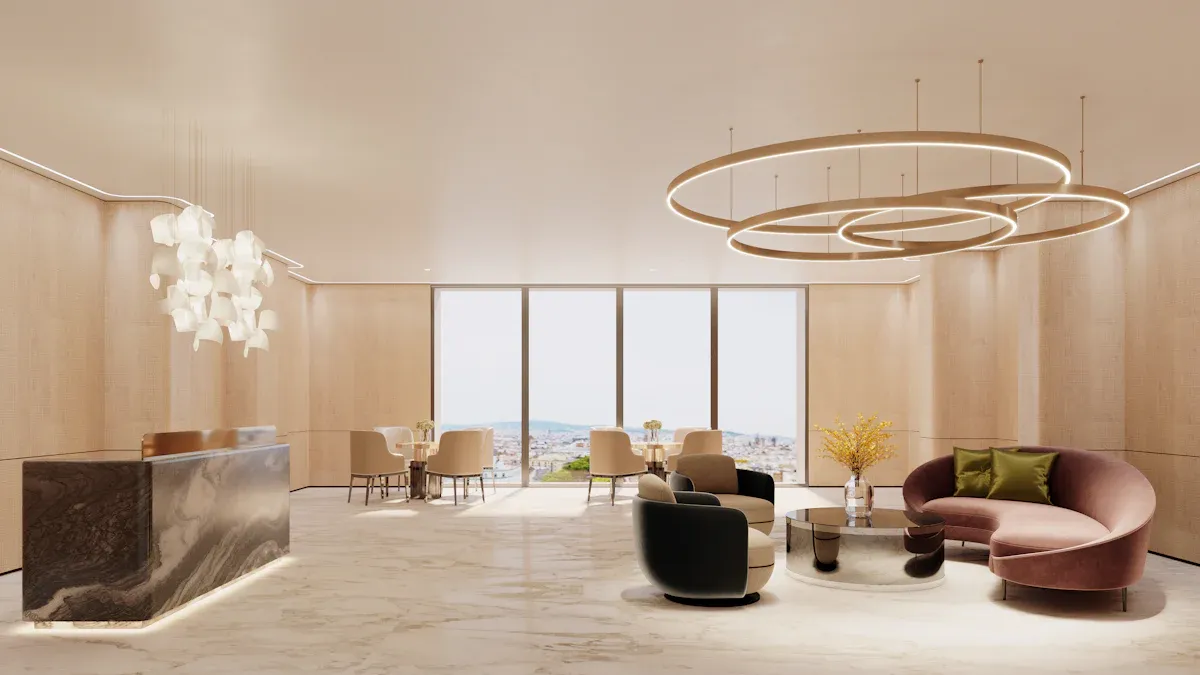
Every hotel has a unique personality, or brand. Understanding this brand is crucial for selecting the right furniture. It also means knowing your guests well. What do they expect from your hotel? A boutique hotel, for example, often chooses sleek, modern furniture with minimalist design elements. This appeals to guests who prefer contemporary styles. In contrast, a luxury resort might select rich, luxurious fabrics and ornate details. These choices create an opulent feel for guests seeking indulgence. Your furniture should tell your hotel’s story and meet your guests’ expectations.
Translating Brand Values into Design Choices
Furniture acts as a visual language for your hotel’s brand. You translate your brand’s values into specific design choices. For instance, W Hotels, known for their bold and vibrant luxury lifestyle, use neon-colored headboards and sculptural lobby seating. They create highly customized interiors reflecting local culture. Moxy Hotels, with their playful and urban identity, feature functional pieces like fold-down desks and pegboard walls. These maximize small spaces. Mondrian Hotels, seen as modern cultural galleries, use oversized, sculptural chairs and jewel-toned lobby sofas. These statement pieces often double as art installations. Aligning furniture with brand values and themes creates a cohesive and consistent brand experience. Hotels build a distinctive atmosphere by carefully selecting and arranging furniture that resonates with their target audience. Consistency in design and aesthetic, including the choice of furniture style, color, material, and shape, helps reinforce the hotel’s brand image.
Ensuring Consistency Across Spaces
Maintaining a consistent look and feel across all hotel spaces is very important. From the lobby to the guest rooms, every area should reflect the same brand identity. This ensures guests have a unified experience. However, maintaining brand consistency in Furniture, Fixtures, and Equipment (FF&E) across different hotel locations is one of the most complicated and time-consuming tasks. This is especially true for franchise brands with multiple properties, sometimes spanning the globe. Each property must accurately reflect the brand’s identity and values. This ensures a consistently superior guest experience. Thoughtful selection of hotel project furniture helps achieve this vital consistency.
Prioritizing Durability and Maintenance for Hotel Project Furniture
Choosing furniture for a hotel means thinking about how long it will last and how easy it is to keep clean. Hotels see a lot of guests every day. This constant use means furniture needs to be tough. It also needs to look good without too much effort. Smart choices here save money and keep guests happy in the long run.
Material Selection for High-Traffic Use
The materials you pick make a big difference in how long furniture lasts. For busy areas like hotel lobbies, you need materials that can handle heavy use. Think about high-grade metals, reinforced plastics, and quality hardwoods. These materials form strong bases for seating. You also want hardwood frames or metal frames for chairs and sofas. They provide a solid structure.
When it comes to upholstery, leather offers durability and a luxurious feel. High-performance fabrics and commercial-grade fabrics are also great choices. They often come with stain guards built-in. These fabrics resist wear and tear much better than standard options.
For outdoor hotel project furniture, materials face even tougher challenges. They need to stand up to sun, rain, and temperature changes. Teak is a natural choice because it resists water and pests. Aluminum does not rust, and you can powder-coat it in many colors. Synthetic wicker looks like natural wicker but handles UV rays, moisture, and temperature changes much better. These materials also need UV protection to stop fading and structural damage. Quick-dry designs help shed water, and temperature resilience prevents cracking or peeling.
Construction Quality and Manufacturing Standards
Good materials are only part of the story. How manufacturers put the furniture together also matters a lot. Strong construction ensures furniture can withstand daily use. Precision cuts are very important. They create the furniture’s basic shape and structure. These cuts form a solid base for everything else. They show high craftsmanship and make the furniture last longer.
After cutting, the finishes protect the furniture. Manufacturers should apply high-quality finishes like lacquers or polyurethanes. They need to do this smoothly and evenly. This process makes the furniture durable. It helps it resist wear and tear. Good finishes also make cleaning easier, keeping the furniture looking new for a long time.
Ease of Cleaning and Stain Resistance
Hotels need furniture that is easy to clean and resists stains. This keeps rooms looking fresh and reduces maintenance costs. For upholstery, special fabric treatments can make a huge difference. Some fabrics have a factory-applied protectant. Others use inherently stain-resistant yarns or fibers.
Consider treatments like Eco-Clean. This anti-stain finish works on polyester fabrics. It is environmentally friendly and lets you clean many stains with just water. Stains like coffee, tomato, jam, and even marker come right off. Other advanced treatments include GreenGard®, which uses nanotechnology for water and oil repellency. FabArmor® is excellent for demanding places like hotels. It combines GreenGard® with a barrier film, making it effective against tough stains like urine, food, and blood.
Tip: Always check the manufacturer’s recommendations for cleaning. This ensures you use the right products and methods for each material.
Regular cleaning protocols help maintain furniture. Daily tasks include dusting wood furniture with microfiber cloths and wiping high-touch areas with disinfectant. You should blot spills immediately. For deeper cleaning, vacuum fabric sofas weekly. Use a pH-neutral polish for wooden furniture monthly. For metal, clean with a damp cloth and mild detergent, then dry it right away to prevent rust. For hotel case goods like wardrobes, wipe bathroom-adjacent cabinets daily to prevent moisture damage. Lubricate hinges and drawers as needed.
| Furniture Material | Cleaning Protocol |
|---|---|
| Wood | Clean with a damp cloth, avoid abrasive cleaners, dust daily, apply polish periodically. |
| Leather | Wipe with a clean cloth, use mild soap and water for deeper cleaning, protect from direct sunlight. |
| Upholstered | Vacuum regularly, use suitable cleaner for stains (test first). |
| Outdoor | Clean with warm soapy water and a soft brush, rinse, dry, use protective covers. |
| Metal | Clean with a damp cloth and mild detergent, dry completely to prevent rust. |
For general spills, act fast to prevent them from setting. If you have organic stains, use mild detergent and warm water. For oil-based stains, use a cleaning product designed to break down oily film.
Balancing Style and Functionality in Hotel Project Furniture
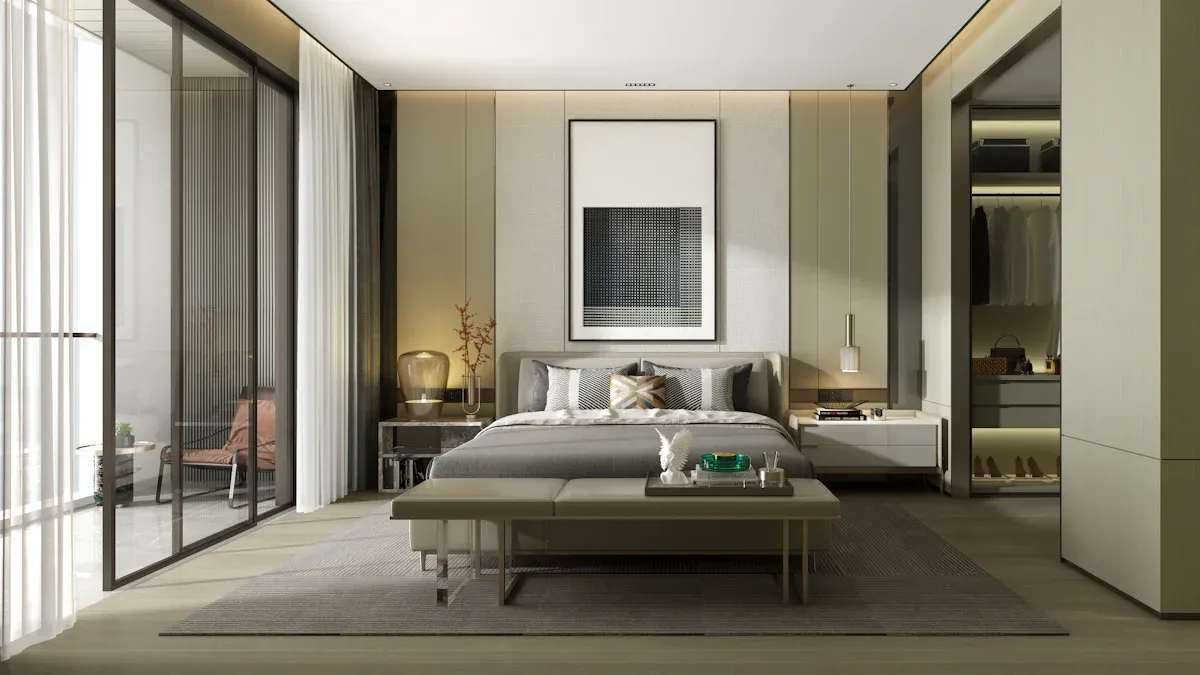
Choosing furniture for a hotel means finding a good mix. It needs to look great and work well. This balance makes guests happy and keeps the hotel running smoothly.
Current Trends Versus Timeless Appeal
Hotel furniture design constantly changes. Designers often look for a personal touch. This includes custom pieces, elegant curves, and items made by local craftspeople. Oversized seating also makes a statement. Modern travelers like furniture that does more than one job. This means casegoods that serve multiple purposes and smart furniture with built-in technology.
Materials often follow biophilic designs. This means using natural elements like wood, stone, leather, and wool. Light and dark woods are popular. Statement stones like marble and granite add luxury. Performance fabrics are also gaining popularity because they last longer. Some designs bring back retro styles or mix different looks for a unique feel. Modern metal finishes like silver, chrome, and steel are replacing gold.
Sustainability is a big focus. Hotels prefer eco-friendly materials. These include recycled wood, bamboo, rattan, cane, and reclaimed materials. Color trends are moving away from single colors. Now, contrasts are popular. You see subdued earth tones like greens, blues, browns, and creams. Bright, "happy" colors like sunny yellow, soft peaches, and turquoise also appear. Floral and botanical prints are making a comeback.
However, hotels also want furniture that stays stylish for a long time. They blend modern looks with classic pieces. For example, handcrafted solid wood tables and antique-inspired upholstery create a timeless elegance. Solid wood bed frames are a good choice because they are strong, eco-friendly, and always look good. Custom headboards with lights and soft padding add luxury.
Hotels like Life House show how to mix old charm with new comforts. They use unique furniture to create a sophisticated but varied atmosphere. Hilton also uses custom furniture. Their headboards have useful features like USB ports, reading lights, and soundproofing. This makes guests more comfortable. Finding this balance means choosing classic designs and avoiding styles that will quickly go out of fashion. The goal is to create spaces that always look good, mixing new and old in a way that many guests will like.
Ergonomics and Guest Comfort Considerations
Guest comfort is very important. Furniture should feel good to use. For example, a good desk chair helps guests work or relax without strain. An ergonomic chair lets people switch between different activities easily. It should not limit movement.
Key parts of the chair should be easy to adjust. This includes the tilt, height, recline, and lower back support. Guests can change their posture often throughout the day. Good chairs have features like multi-tilt options with locks, a deep recline (up to 165°), and four-way lumbar support (up, down, in, out). Adjustable armrests are also helpful.
A good ergonomic chair also supports movement. People move their bodies a lot, even when sitting. The chair should support big changes, like standing up or sitting down. It should also support small, unconscious movements. Chairs should allow different sitting positions. Guests might sit forward for writing, slightly reclined for typing, or deeply reclined for reading. The chair should move with the person, keeping them balanced and preventing strain. When a chair is truly comfortable, guests do not even notice it. They can focus on their work without back pain or joint discomfort.
Comfort in hotel beds has also changed. Guests now look at how the bed fits the room’s style and materials. They want a bed that looks good and works well. Details like lighting, storage, and adjustable features make a big difference. Quality construction and smooth moving parts build trust and encourage guests to return.
A high-quality mattress is key for a great sleep. It makes guests happy and brings them back. Memory foam mattresses shape to the body, easing pressure and aligning the spine. Feather-top options feel soft and luxurious. Adjustable beds let guests choose their firmness. Good support and comfort lead to deeper sleep, fewer aches, and better well-being.
Premium bedding also adds to a luxurious feel. High-quality sheets make a room look better and feel more comfortable. Guests notice thread counts between 300 and 800, especially with long-staple cotton. This feels soft and smooth. Good materials also last longer and stay clean, which guests connect with high hygiene standards.
The colors in a hotel room also affect how guests feel. Soft blues, serene greens, muted light pinks, warm neutrals (beige, cream), or cool grays create a calm space. These colors help guests relax. Soft blues and greens remind people of nature, reducing stress. Warm neutrals feel comforting. These colors make the room feel luxurious and help guests sleep better. Comfortable hotel project furniture, with ergonomic designs, makes guests feel pampered and cared for.
Integrated Technology and Practical Features
Modern hotel furniture often includes smart features. This makes the guest experience better. Wireless charging furniture is very popular. Nightstands, desks, and coffee tables can have built-in charging pads. Guests can power their devices without messy cords.
Furniture with built-in speakers, like in desks or headboards, lets guests stream music or movies easily. This keeps rooms tidy. Smart mirrors and interactive displays offer personalized information. They can show weather, flight updates, or streaming content. Guests can also change room settings like lighting. Ergonomic and adjustable furniture, such as chairs with custom lumbar support or standing desks, lets guests set up their space just how they like it. Smart beds can monitor sleep and have adjustable bases. Nightstands often have wireless charging. Desks and entertainment units have ports for devices. Even mirrors and wardrobes are getting smarter, with digital screens for news or room control.
Practical features in hotel project furniture also make a big difference. They make things easier for guests and help the hotel run better. Built-in storage solutions, foldable furniture, and multi-use designs save space. Beds with drawers mean guests do not need extra storage. Coffee tables with charging ports combine style and function.
Furniture can also adapt to "bleisure" travelers, who mix business and leisure. Workstations can turn into relaxation areas. Modular furniture works for both productivity and comfort. Inclusive design helps all guests. This includes lower table heights for wheelchairs, strong seating, and enough space under beds for mobility devices.
Other useful features include:
- Minibars with Smart Technology: These control temperature automatically, have sensor lights, and run quietly. They save energy and do not disturb guests.
- Decorative Benches: These offer extra seating, hold luggage, and add to the room’s look.
- Work Desk & Chair: Essential for business travelers, with a large surface, drawers, power outlets (USB ports), and adjustable lights. Chairs are ergonomic.
- Wardrobes & Storage Solutions: These keep clothes and personal items organized with hanging space, shelves, and drawers.
- Dressing Table with Mirror: A dedicated space for grooming, often with LED lights, magnifying mirrors, and storage.
- Luggage Rack: Keeps suitcases off the floor and easy to access.
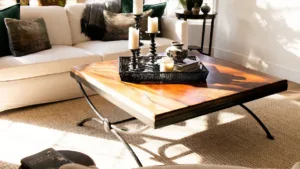
- Coffee Tables & Accent Tables: Provide spots for drinks or magazines, sometimes with storage.
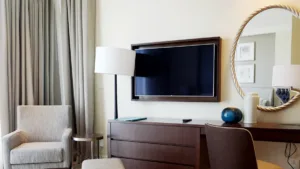
- TV Cabinet & Entertainment Unit: Holds the TV and remotes, enhancing entertainment.
- Lounge Chairs or Ottomans: Offer extra seating for relaxing or reading. Storage ottomans hide items.
Budgeting and Long-Term Value of Hotel Project Furniture
Hotels must look beyond the initial price tag when buying furniture. They need to consider the long-term value. This approach saves money and ensures quality over time.
Initial Cost Versus Lifecycle Cost Analysis
Hotels often focus on the upfront cost of furniture. However, a lifecycle cost analysis gives a more complete picture. This analysis includes several factors. It covers the initial acquisition costs, such as the furniture price, customization fees, design services, transportation, and installation. It also accounts for maintenance and repair expenses, like routine upkeep, servicing moving parts, and professional refurbishment. Hotels also consider longevity and depreciation. Soft goods, like upholstered sofas and chairs, typically last about seven years. Hard goods, such as casegoods, last much longer when made to high standards. The analysis also looks at how furniture impacts operational efficiency and user productivity. Finally, it includes end-of-life costs, such as disposal or recycling fees and the environmental footprint.
Value Engineering Without Compromising Quality
Value engineering helps hotels find cost-effective solutions without sacrificing quality. This process involves smart material choices. For example, manufacturers can use high-pressure laminate (HPL) for high-traffic surfaces and low-pressure laminate (LPL) for less exposed areas. This meets demands without unnecessary cost. Component flexibility is also key. Experienced furniture companies can offer lower-cost alternatives for items like headboards or stone countertops. They do this without compromising performance or design. Close communication between the hotel and manufacturer ensures they align budget, purpose, and design vision.
Choosing high-quality, durable FF&E for those high-traffic areas is necessary not only for aesthetic purposes but also for minimizing costly replacements and repairs.
One common pitfall to avoid is overlooking the 4-6 month lead time for model rooms. These rooms allow for important value engineering discussions before large orders.
Strategic Sourcing and Supplier Relationships
Choosing the right suppliers is crucial for hotel project furniture. Hotels should evaluate suppliers based on several criteria. They assess material quality, customization capabilities, and compliance with standards. They also look at budget planning, communication, logistics, and after-sales support. Building long-term partnerships with manufacturers offers many benefits. These relationships foster trust and ensure consistent, high-quality products. Manufacturers learn the hotel’s specific design needs and evolving style. This provides ongoing support for future furniture requirements. It also secures superior quality, perfect customization, and unmatched cost-effectiveness. Long-term partners become an invaluable extension of the hotel’s team.
Investing in hotel project furniture is a smart move. It is more than just buying items. Hotels need a complete approach. They must consider durability, style, and guest comfort. This ensures the best results. Good furniture makes guests happy. Happy guests often return and tell others. This directly helps the hotel make more money.
FAQ
What is the most important factor when choosing hotel furniture?
The guest experience is the ultimate measure. Furniture should make guests feel relaxed and cared for. It enhances their overall stay. This leads to positive reviews and repeat visits. 🏨
How do hotels ensure furniture lasts a long time?
Hotels prioritize durable materials like high-grade metals and quality hardwoods. They also focus on strong construction and manufacturing standards. Easy-to-clean and stain-resistant fabrics help furniture look new longer. ✨
Why should hotels consider their brand when selecting furniture?
Furniture acts as a visual language for a hotel’s brand. It tells the hotel’s story and meets guest expectations. Consistent design across all spaces creates a unified and memorable experience for guests. 🎨
What modern features do guests appreciate in hotel furniture?
Guests appreciate integrated technology. This includes wireless charging pads and built-in USB ports. Ergonomic designs and smart storage solutions also add convenience. These features make their stay more comfortable and practical. 🔌