
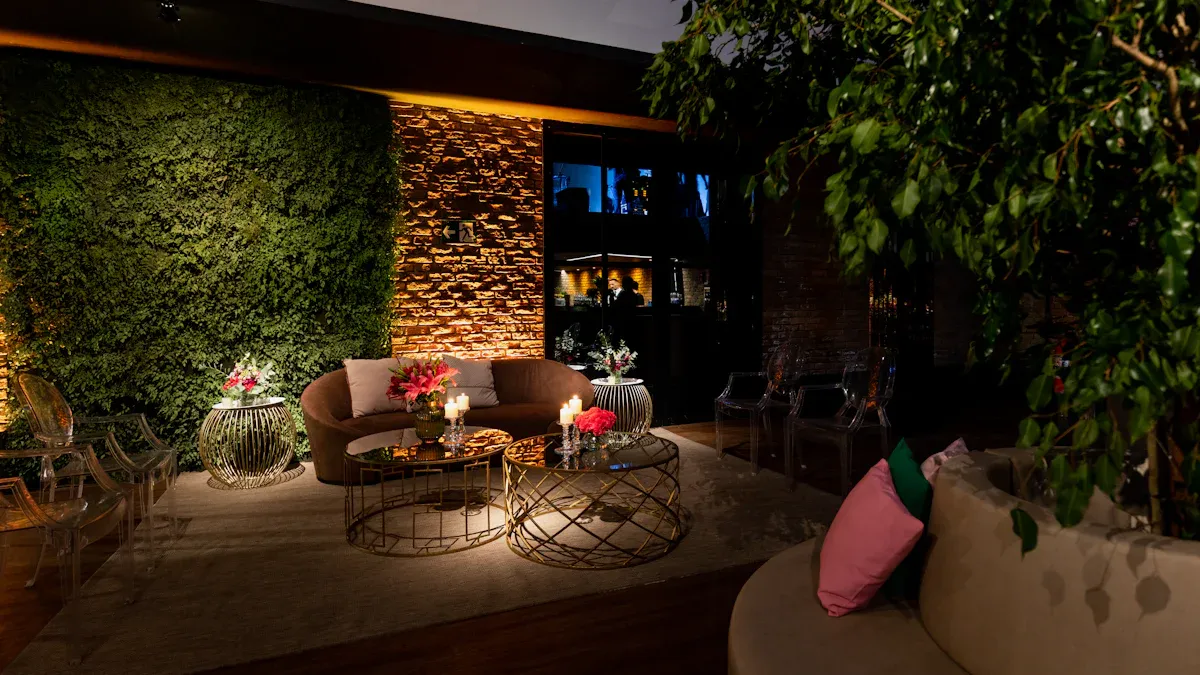
Hotels significantly elevate their brand reputation and attract discerning guests with sustainable hotel furniture. A notable 45% of travelers find accommodations labeled as more sustainable appealing, highlighting a clear market preference. This strategy also secures significant long-term financial advantages; sustainable hotels report up to a 30% reduction in operating costs. Such choices enhance operational resilience and market competitiveness. Taisen hotel furniture, a leading bulk hotel furniture supplier from Ningbo, China, provides commercial grade hotel furniture solutions that meet hotel room furniture compliance standards, positioning hotels for future success in a conscious market. Considering what is the best material for hotel room furniture becomes a critical decision for modern hospitality.
Key Takeaways
- Sustainable hotel furniture makes your brand look good. It attracts guests who care about the environment.
- Choosing sustainable furniture saves money over time. It lasts longer and needs fewer repairs.
- Sustainable furniture helps hotels follow environmental rules. It also makes the air inside healthier for guests.
- Hotels can find new and cool furniture designs. These designs use earth-friendly materials.
- Buying sustainable furniture helps the planet. It supports fair work and reduces waste.
Elevating Your Brand and Guest Experience with Sustainable Hotel Furniture
Attracting the Eco-Conscious Traveler
Modern travelers increasingly seek accommodations aligning with their values. They actively look for hotels demonstrating a commitment to environmental responsibility. Sustainable hotel furniture plays a pivotal role in attracting this growing segment of eco-conscious guests. Hotels signal their dedication to sustainability by furnishing rooms and common areas with thoughtfully chosen pieces. These discerning travelers appreciate furniture that possesses specific characteristics:
- Made from recycled or reclaimed materials.
- Uses responsibly sourced wood, often FSC-certified.
- Features non-toxic finishes.
- Designed for durability and long-term use to reduce waste.
Such furniture choices significantly reduce a hotel’s carbon footprint. They also enhance indoor air quality, creating a healthier environment for guests. This commitment resonates deeply with individuals prioritizing environmental conservation and personal well-being.
Enhancing Guest Comfort and Well-being
Sustainable and eco-friendly furniture choices profoundly influence the guest experience. These options not only align with the increasing demand from environmentally conscious consumers but also contribute to a healthier and more comfortable stay. Made from renewable materials and produced with minimal waste and energy, sustainable furniture allows guests to enjoy stylish spaces that also promote well-being and sustainability. Furthermore, these choices help hotels reduce their carbon footprint and showcase their commitment to environmental care, attracting eco-conscious travelers.
Sustainable furniture significantly improves the overall guest experience. It creates environments prioritizing comfort, visual appeal, and ecological responsibility. These eco-friendly furnishings foster a sense of well-being. They resonate with contemporary travelers who seek sustainable accommodation options. As travelers become increasingly eco-conscious, they often opt for environmentally friendly travel choices. The use of ethically sourced and sustainable materials in furniture design minimizes waste. It also fosters a greater sense of health and harmony with the environment. Providing sustainable and eco-friendly amenities, such as furniture, boosts guest satisfaction. It cultivates loyalty among travelers who are environmentally aware. Guests value a hotel’s dedication to sustainability. They are more inclined to support establishments prioritizing environmental stewardship.
Differentiating Your Hotel Furniture in a Competitive Market
The hospitality industry faces intense competition. Hotels must find unique ways to stand out. Sustainable furniture offers a powerful differentiator. It provides a compelling narrative about a hotel’s values and commitment. This narrative appeals to a broad audience beyond just eco-conscious travelers. It positions the hotel as forward-thinking and responsible. This approach creates a unique selling proposition. It allows hotels to command premium pricing. It also builds stronger brand loyalty. Guests remember hotels that align with their personal ethics. They often share these positive experiences with others. This word-of-mouth marketing further strengthens the hotel’s market position.
Realizing Significant Financial Advantages from Sustainable Hotel Furniture
Maximizing ROI Through Durable Hotel Furniture
Investing in sustainable hotel furniture offers significant financial returns. Commercial-grade furniture often has a higher initial cost. However, its extended lifespan and lower maintenance requirements justify this investment. Hoteliers who consider the total cost of ownership, rather than just the initial expense, find significant long-term savings. Replacing low-quality seating frequently costs more than a single investment in high-quality, intensive-use furniture. Durable furniture also conveys a sense of luxury and sophistication to guests. Well-crafted, high-quality furniture elevates the hotel’s image. This attracts a higher-end clientele. These guests are willing to pay more for a premium experience. A JD Power survey indicates that nearly 90% of hotel guests state their room’s quality directly influences their satisfaction. Investing in durable, well-crafted furniture ensures rooms remain fresh, inviting, and comfortable. This leads to happier guests and encourages repeat visits. High-quality custom hotel furniture can last 10 years or more before needing replacement. While the initial investment is higher, it leads to long-term savings. It avoids frequent replacements and repairs. It also reduces the hassle of constant updates, allowing focus on property management. The Green Lodging Trends Report shows that 72% of hotels have implemented sustainable furnishings. By choosing durable furniture, hotels make a smart financial decision. They also appeal to eco-conscious guests, strengthening their brand image.
Reducing Long-Term Maintenance and Replacement Costs
Sustainable hotel furniture significantly reduces long-term maintenance and replacement costs. Its inherent durability means less wear and tear. This translates into fewer repairs and less frequent purchases of new items. Using protective measures, such as chair caps, extends the lifespan of furniture and preserves flooring. This delays replacement costs and reduces the need for expensive repairs. It also optimizes maintenance efficiency. Staff can then focus on other upkeep aspects. Implementing a routine maintenance plan, which includes furniture touch-up services, can further reduce replacement costs. This prolongs the usability of furniture. It aligns with sustainable and cost-efficient approaches. Sustainable practices, such as refinishing and restoring existing FF&E assets, lead to significant maintenance cost reductions. Savings range from at least 50% up to as much as 80%. These strategies ensure furniture remains in excellent condition for longer. They minimize the financial burden of constant upkeep and replacement.
Optimizing Energy Efficiency and Operational Savings
Sustainable furniture choices contribute to broader operational efficiencies and energy savings. Durable furniture, a hallmark of sustainability, reduces the demand for new manufacturing. This saves the significant energy required for producing and transporting replacements. Less frequent replacement cycles also mean less waste generated. This lowers disposal costs for hotels. Furthermore, the procurement process for sustainable furniture often involves streamlined sourcing from responsible suppliers. This can lead to more efficient logistics and reduced administrative overhead. By investing in long-lasting, environmentally friendly pieces, hotels minimize their overall resource consumption. This translates into a more efficient and cost-effective operation over time. It also aligns with a commitment to responsible resource management.
Navigating Regulatory Compliance and Mitigating Risks with Sustainable Hotel Furniture
Meeting Evolving Environmental Standards for Hotel Furniture
The hospitality industry faces increasing pressure to meet stringent environmental standards. Governments and regulatory bodies worldwide introduce new mandates for sustainable practices. Hotels that choose sustainable hotel furniture proactively comply with these evolving regulations. This foresight helps them avoid potential fines and penalties. It also positions them as leaders in environmental stewardship. Adhering to these standards often involves selecting furniture made from certified materials, such as FSC-certified wood, or items with low volatile organic compound (VOC) emissions. Such choices demonstrate a commitment to environmental responsibility.
Strengthening Supply Chain Ethics and Transparency
Hotels increasingly demand clear visibility into manufacturing processes and labor practices. Buyers move away from opaque supply chains, seeking partners who demonstrate responsible production methods. Hotels ensure ethical sourcing and transparency by prioritizing service providers that integrate social responsibility initiatives. These initiatives include fair labor practices and local community support. They favor customization providers emphasizing ethical sourcing and transparent supply chains to enhance their corporate social responsibility (CSR) profiles. This approach gives full visibility: who makes the furniture, where it is produced, what materials are used, and how it is manufactured. No hidden supply chains exist. This commitment ensures suppliers uphold fair wages, safe working conditions, and use certified sustainable materials.
Mitigating Reputational and Legal Risks
Non-sustainable furniture choices can lead to significant reputational damage. For example, 65% of leisure and hospitality firms identify environmental issues as a primary reputational concern. Conversely, embracing sustainability enhances how guests perceive a hotel. This suggests non-sustainable choices would detract from a hotel’s reputation. The increasing integration of ESG (Environmental, Social, and Governance) principles into legal frameworks implies potential legal risks for non-compliance related to non-sustainable practices. Non-sustainable furniture, if poorly maintained or visibly degraded, can make it easier for plaintiffs to argue negligence in liability cases. This increases legal exposure. The choice of furniture significantly influences an organization’s liability exposure, especially if it fails to comply with occupational health and safety regulations, accessibility requirements, or fire codes.
Fostering Operational Efficiency and Innovation in Hotel Furniture Sourcing
Streamlining Procurement with Sustainable Sourcing Practices
Hotels can significantly enhance operational efficiency by adopting sustainable sourcing practices for their furniture. This approach streamlines procurement processes. It also ensures a consistent supply of high-quality, eco-friendly products. Building strong supplier relationships is crucial. Hotels establish partnerships with reliable suppliers for consistent quality and delivery. They regularly review contracts and seek feedback to improve collaboration. Leveraging technology also plays a vital role. Investing in procurement software automates tasks like order management and invoicing. This improves vendor compliance and lowers supply chain costs by 20%. Centralizing procurement for hotel chains leads to cost savings and standardized quality across properties. Organizations that effectively manage their budgets can reduce procurement costs by up to 20%. Prioritizing suppliers offering eco-friendly and ethically sourced products attracts environmentally conscious guests.
Improving Indoor Air Quality and Guest Health
Sustainable furniture choices directly contribute to better indoor air quality and guest health. Many traditional furniture pieces release volatile organic compounds (VOCs) into the air. These chemicals can cause respiratory issues and other health problems. Sustainable furniture, however, often uses low-VOC finishes and natural materials. This significantly reduces harmful emissions. Guests experience a healthier and more comfortable environment. This commitment to well-being enhances the overall guest experience. It also aligns with a hotel’s responsibility to provide a safe and healthy stay.
Driving Innovation in Hotel Furniture Design and Materials
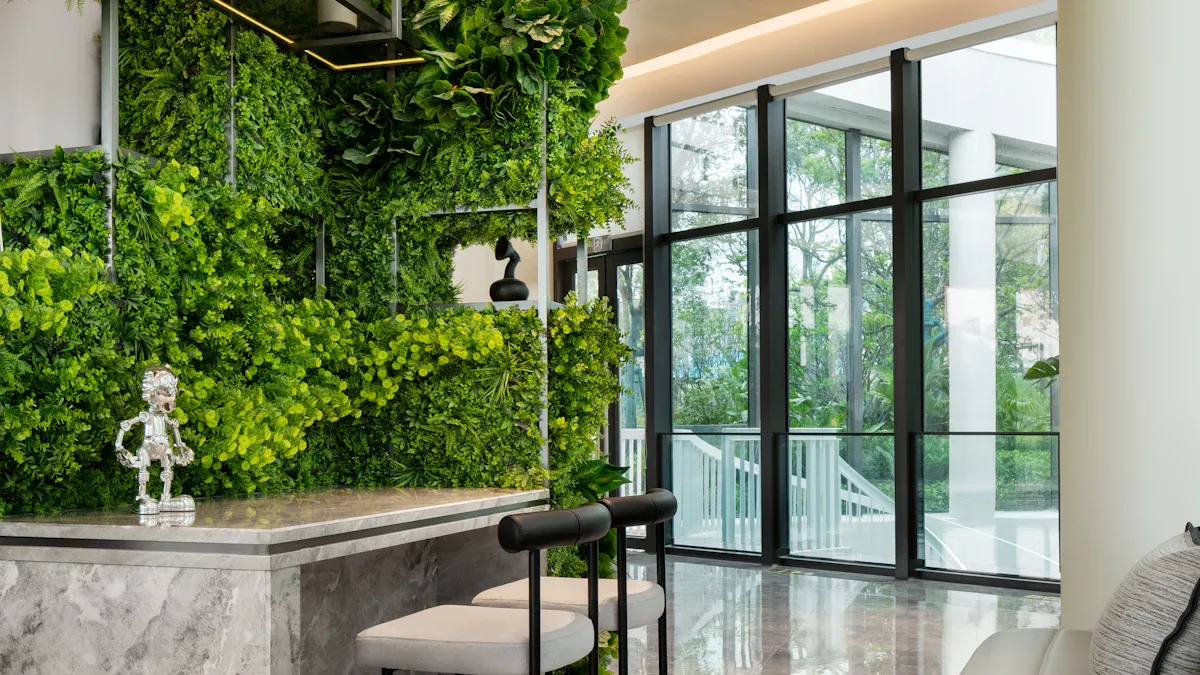
The demand for sustainable furniture drives significant innovation in design and materials. Manufacturers now explore new possibilities. They use recycled wood and metal, organic textiles, and low-VOC finishes. Biophilic design elements also gain popularity. These include indoor greenery, natural light maximization, and earthy color palettes. Such designs connect guests with nature. Bespoke furniture design offers custom shapes, unique fabric patterns, and tailored details. Modular hotel furniture design provides multi-functionality, easy customization, and space-saving solutions. These innovations offer hotels unique opportunities. They can differentiate their spaces and appeal to modern travelers. Taisen, a hotel furniture factory, specializes in these innovative solutions.
Contributing to a Positive Global Impact Through Your Hotel Furniture Choices
Supporting Ethical Manufacturing Practices
Hotels make a significant global impact by choosing suppliers committed to ethical manufacturing. This commitment ensures fair labor practices and responsible production methods. When hotels select furniture from certified manufacturers, they support businesses that prioritize social responsibility. Certifications like FSC (Forestry Stewardship Council) guarantee wood products come from sustainably managed forests. These standards protect indigenous peoples and ensure a complete chain of custody. AWI (Architectural Woodwork Institute) Certification, especially with FSC standards, promotes reduced environmental impact through durable finishes and improved processes. The Eco3Home Label further indicates that manufacturers commit to health, safety, and environmental initiatives across their operations and product design. These choices help foster a more equitable and sustainable global economy.
Reducing Environmental Footprint of Hotel Furniture
Sustainable hotel furniture significantly reduces a hotel’s environmental footprint. Manufacturers support sustainability by selecting materials such as reclaimed wood, recycled metals, and responsibly sourced fabrics. This minimizes waste and the need for new resources. Eco-friendly production processes also play a crucial role. These include recycling material scraps, lowering emissions, and incorporating renewable energy sources. Sourcing materials locally further reduces transportation emissions. Manufacturers prioritize durability and longevity by using robust materials like hardwoods and metal frames. This reduces the need for frequent replacements, minimizing waste. Sustainable furniture design, featuring timeless and modular pieces, also extends product lifespan. For example, acacia wood, a fast-growing and sustainably sourced material, offers an eco-friendly option.
Building a Legacy of Responsible Hospitality
Choosing sustainable furniture allows hotels to build a lasting legacy of responsible hospitality. This commitment extends beyond immediate operational benefits. It demonstrates a deep dedication to environmental stewardship and social responsibility. Hotels become active participants in creating a healthier planet and supporting ethical supply chains. This positive impact resonates with guests, employees, and the wider community. By consistently making conscious choices, hotels establish themselves as leaders in sustainable practices. They inspire others in the industry to adopt similar approaches. This collective effort contributes to a more sustainable future for the hospitality sector and the world.
Sustainable hotel furniture represents a strategic imperative for modern hospitality. It undeniably links sustainability with profitability and guest loyalty. Hotels position themselves for enduring success and competitive advantage by embracing these practices. Integrate sustainable hotel furniture solutions into your business strategy today for a brighter future.
FAQ
What defines sustainable hotel furniture?
Sustainable hotel furniture uses eco-friendly materials. It includes recycled, reclaimed, or responsibly sourced wood. Manufacturers prioritize durability and non-toxic finishes. This reduces environmental impact and promotes guest well-being.
How does sustainable furniture benefit a hotel financially?
Sustainable furniture offers long-term financial gains. Its durability reduces replacement and maintenance costs. It also attracts eco-conscious guests, potentially increasing occupancy and revenue.
What certifications indicate sustainable hotel furniture?
Look for certifications like FSC (Forest Stewardship Council) for wood. The Eco3Home Label indicates health, safety, and environmental commitment. These certifications ensure ethical sourcing and responsible manufacturing.
Can sustainable hotel furniture be stylish and modern?
Absolutely. Sustainable furniture design has evolved significantly. Manufacturers now offer innovative, stylish, and modern pieces. They use diverse materials and designs to complement any hotel aesthetic.
Where can hotels source sustainable furniture?
Hotels can source sustainable furniture from specialized manufacturers. Companies like Taisen offer commercial-grade, custom hotel furniture. They focus on durable, eco-friendly solutions that meet compliance standards.