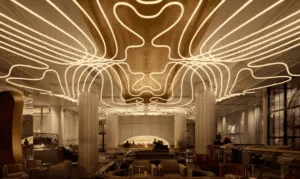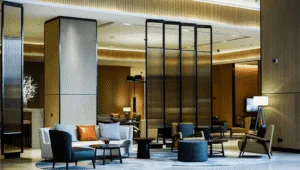
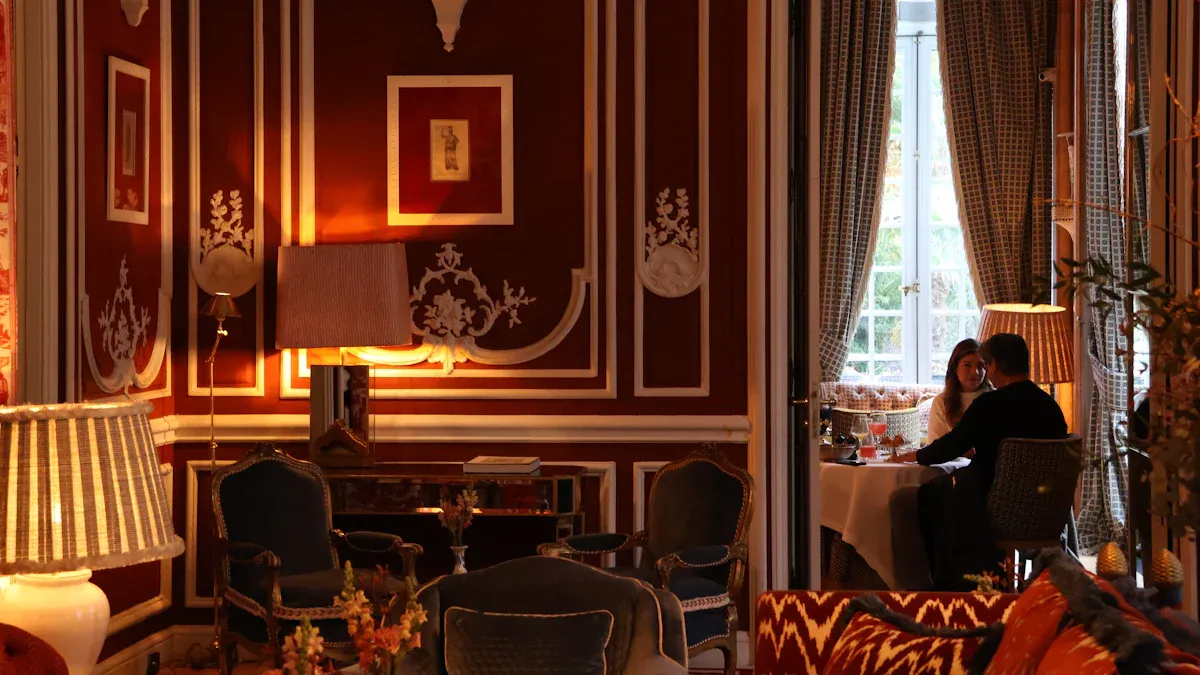
Hotel furniture significantly influences guest experience and plays a crucial role in establishing hotel brand identity. Comfortable and stylish furnishings enhance satisfaction and encourage return visits. Balancing quality, style, and budget is essential for hotel managers when making hotel furniture selections. Key considerations during this process include understanding the target market, ensuring durability, and focusing on hotel furniture design for brand identity to maintain hotel interior design brand consistency. Additionally, exploring commercial hotel furniture solutions can provide options that align with the overall aesthetic and functional needs of the hotel.
Key Takeaways
- Hotel furniture significantly impacts guest satisfaction and brand identity. Investing in quality pieces enhances comfort and encourages repeat visits.
- Durability and functionality are crucial when selecting hotel furniture. Choose materials that withstand heavy use and align with the hotel’s design.
- Customization allows hotels to reflect their unique brand identity. Tailored furniture enhances guest experience and can lead to better long-term value.
The Importance of Hotel Furniture
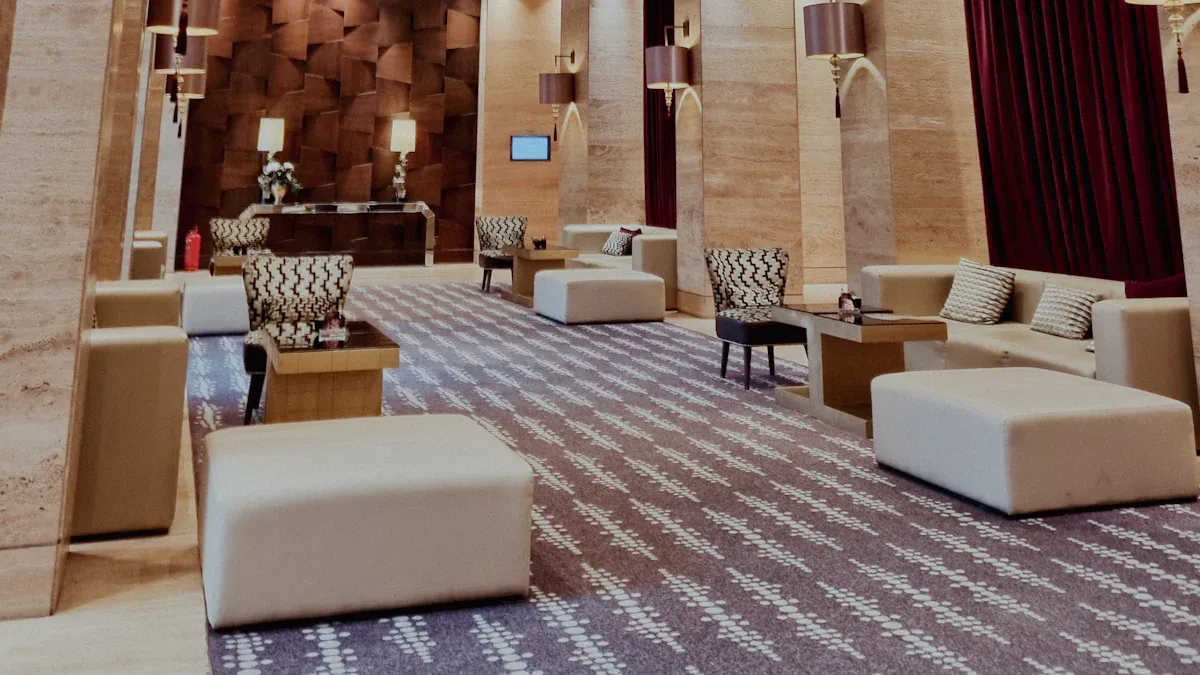
Hotel furniture plays a vital role in shaping guest experiences and perceptions. It serves as a tangible expression of a hotel’s brand identity. High-quality furniture enhances comfort, functionality, and aesthetic appeal. For instance, luxury hotels often use bespoke materials to convey exclusivity, while business hotels favor sleek designs that communicate professionalism. This thoughtful selection of hotel furniture reflects the unique character of each property.
Moreover, the quality of hotel furniture directly influences guest satisfaction. Positive experiences lead to loyalty and repeat bookings. Guests often share their experiences on social media, showcasing distinctive interiors. This exposure acts as a marketing asset, attracting new visitors. Investing in well-crafted furniture helps maintain a positive brand image over time. It reduces the need for frequent refurbishments and fosters consistent guest satisfaction.
Consider the following points regarding the impact of hotel furniture:
- Positive guest experiences lead to loyalty and repeat bookings.
- Satisfied guests tend to spend more on ancillary services.
- Positive online reviews amplify bookings through social proof.
Types of Hotel Furniture
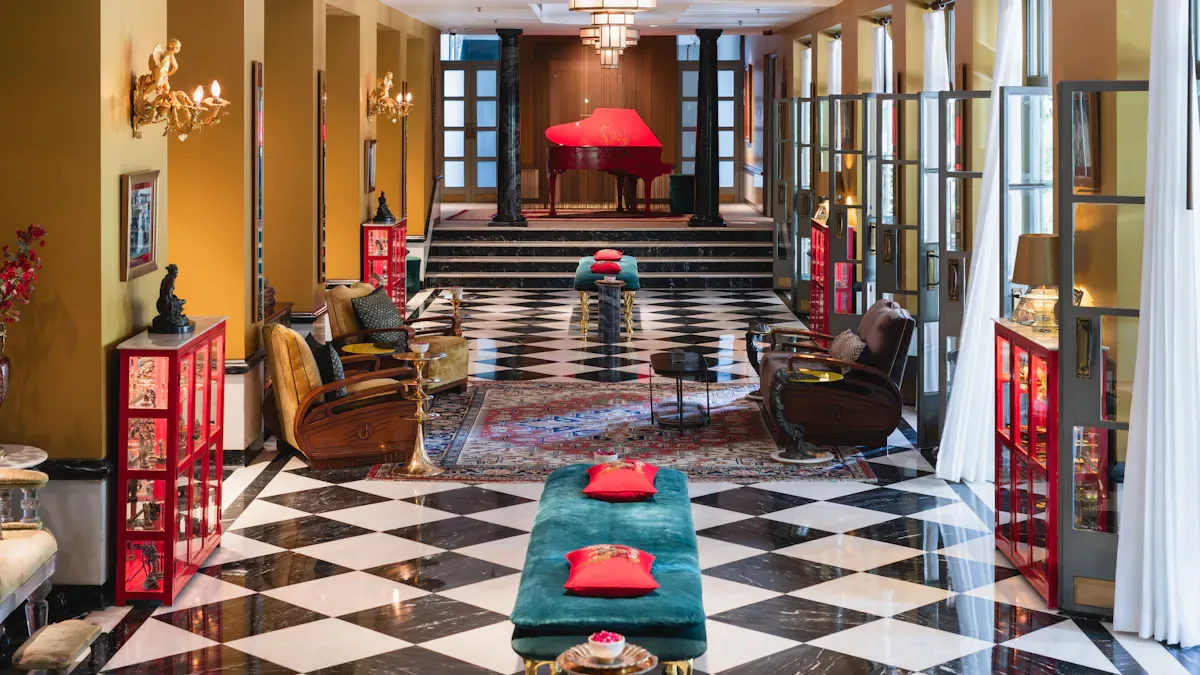
Hotel furniture in modern properties falls into several key categories, each serving distinct purposes. The following table outlines the main types commonly found in hotels:
| Category | Description |
|---|---|
| Soft Seating | Includes sofas, armchairs, and lounge chairs designed for comfort and style. |
| Bathroom Vanity | Functional units combining sinks and storage for guest convenience. |
| Fixture Equipment | Built-in or fixed furniture pieces such as shelving and cabinetry. |
| Hospitality Casegoods | Movable furniture like dressers, nightstands, and desks for guest rooms. |
| Hospitality Outdoor Furniture | Durable furnishings for patios, pools, and outdoor lounges. |
| Hotel Reception Desk | Central point for guest check-in and service, combining practicality and design. |
| High-End Contract Furniture | Premium quality pieces tailored for durability and luxury appeal. |
| Custom Commercial Furniture | Bespoke furniture designed to reflect brand identity and optimize space. |
Each type of furniture fulfills specific functional or aesthetic roles within the hotel environment. For example, hotel room furniture such as beds, wardrobes, and luggage racks focus on guest comfort, storage, and maintaining room order. Lobby furniture, including armchairs, sofas, and reception desks, creates a welcoming atmosphere while offering practicality. Restaurant furniture balances durability with an inviting dining experience, and conference furniture emphasizes comfort and streamlined functionality for business guests.
Key furniture pieces and their purposes include:
- Beds: Central to guest comfort and relaxation.
- Wardrobes: Provide essential storage for clothing.
- Luggage Racks: Help maintain room order and enhance guest convenience.
- Lobby Armchairs and Sofas: Create a welcoming atmosphere.
- Reception Desks: Serve practical and aesthetic functions.
- Restaurant Furniture: Balances durability with an inviting dining experience.
- Conference Furniture: Focuses on comfort and functionality for business needs.
Hotels often choose custom hotel furniture to reflect their brand identity and create unique environments. Customization allows properties to maximize space and stand out aesthetically, aligning with specific themes and guest expectations.
Guest Room Furniture
Guest room furniture significantly influences the comfort and satisfaction of hotel guests. Essential pieces include beds, seating, storage units, and amenities. Each item plays a role in creating a welcoming and functional environment.
Key Furniture Types
The following table highlights the differences in guest room furniture features between upscale and budget hotels:
| Furniture Type | Upscale Hotels Features | Budget Hotels Features |
|---|---|---|
| Hotel Refrigerator Cabinets | Larger capacities, sleek finishes, often with glass doors | Compact designs, basic functionality |
| Microwave Cabinets | Designed for extended stays, heat-dissipating ventilation | Simple, space-saving models |
| Casegoods | High-quality materials, customizable to brand identity | Functional, cost-effective designs |
Comfortable furniture enhances the guest experience. For instance, high-quality seating affects comfort, style, and functionality. Ergonomic designs cater to individual preferences, improving overall satisfaction. Research indicates that 75% of guests prioritize bed comfort when rating their hotel experience. Superior mattresses lead to better sleep quality, resulting in positive reviews.
Additionally, stylish and well-maintained furniture creates a positive first impression. Attractive seating invites guests to relax, enhancing their overall experience. Hotels that invest in quality furniture demonstrate a commitment to guest satisfaction, which can lead to repeat bookings and favorable online reviews.
Lobby and Common Area Furniture
Lobby and common area furniture serves as the first impression for guests entering a hotel. This furniture not only reflects the hotel’s brand identity but also influences guest engagement. Comfortable seating arrangements enhance the overall experience by accommodating various needs. Functional designs support the modern use of lobbies as both workspaces and social areas.
Recent trends in lobby furniture emphasize sustainability and personalization. Hotels increasingly prioritize ethically sourced and recyclable materials. Guests appreciate adjustable seating and interactive areas that allow them to customize their comfort. This focus on guest experience aligns with the growing demand for environmentally responsible choices.
Key trends in lobby and common area furniture include:
- Technological Integration: Many pieces now feature hidden wireless charging pads and smart lighting controls.
- Biophilic Design: Incorporating natural elements enhances guest engagement and creates a calming atmosphere.
- Modular Seating Systems: Flexible furniture arrangements can be reconfigured for different events, catering to diverse guest needs.
The aesthetic harmony of lobby furniture contributes to the overall atmosphere, affecting guest mood and perception. Statement pieces often serve as focal points, enhancing the hotel’s visual appeal. By investing in high-quality hotel furniture, properties can create inviting spaces that encourage guests to linger and enjoy their surroundings.
Outdoor Furniture
Outdoor furniture plays a crucial role in enhancing the guest experience at hotels. It transforms patios, pool areas, and gardens into inviting spaces where guests can relax and socialize. Selecting the right outdoor furniture not only improves aesthetics but also encourages guests to utilize hotel amenities more effectively.
Choosing durable materials is essential for outdoor furniture. The following table outlines common materials used in outdoor hotel furniture and their key features:
| Material | Key Features |
|---|---|
| Aluminum | Lightweight, rust-resistant, requires minimal maintenance, powder-coated for UV protection. |
| Synthetic Wicker | Aesthetic appeal, weather-resistant, does not crack or fade, suitable for year-round use. |
| Stainless Steel | Highly durable, ideal for high-traffic areas, minimal maintenance, resistant to salt air. |
| Teak | Natural water resistance, aesthetically pleasing, requires more maintenance than synthetic options. |
| Treated Hardwoods | Cost-effective, offers a balance between durability and price. |
The selection of outdoor furniture significantly impacts how guests interact with hotel amenities. Comfortable and well-designed pieces encourage guests to spend more time in these areas, enhancing their overall experience. When outdoor spaces are inviting, guests are more likely to linger, leading to increased spending on food and beverages. This behavior not only enriches their stay but also positively affects the hotel’s revenue and reputation.
Investing in quality outdoor furniture demonstrates a commitment to guest satisfaction. It creates an emotional connection that fosters loyalty and encourages repeat visits. Ultimately, thoughtful outdoor furniture selection can elevate the guest experience and contribute to the hotel’s success.
Key Considerations for Hotel Furniture Selection
Selecting the right hotel furniture involves several critical considerations that impact both guest satisfaction and operational efficiency. Industry experts emphasize five key factors that hotel managers should prioritize:
-
Durability: High-quality, durable furniture minimizes the need for frequent replacements and repairs. Investing in robust materials saves money in the long run and ensures that the furniture withstands heavy use.
-
Functionality: Furniture must be functional and accessible. It should integrate seamlessly into the hotel’s overall design, enhancing the guest experience without compromising on practicality.
-
Design: Aesthetic appeal is crucial. The furniture should not only be visually appealing but also align with the hotel’s brand identity. Thoughtful design creates a memorable experience for guests and reinforces the hotel’s image.
-
Compliance: Adhering to safety and accessibility standards is essential. Furniture must meet specific regulations to ensure guest safety and comfort. This includes considerations for fire safety and accessibility for guests with disabilities.
-
Brand Alignment: The furniture should reflect the unique vision and brand of the property. This alignment helps create a cohesive atmosphere that resonates with guests and enhances their overall experience.
To illustrate the importance of compliance, consider the following table that outlines key aspects of safety regulations and accessibility standards:
| Aspect | Description |
|---|---|
| Fire Safety Standards | Furniture must meet stringent fire performance standards to prevent fire growth and smoke generation. |
| Accessibility Requirements | Furniture layout must ensure accessible routes and seating options for guests with disabilities. |
| Structural Integrity | Furniture must be designed to withstand heavy use while maintaining safety and comfort for all guests. |
By focusing on these considerations, hotel managers can make informed decisions that enhance guest satisfaction and align with their brand identity. Thoughtful selection of hotel furniture not only improves the guest experience but also contributes to the hotel’s long-term success.
Budget Constraints
Budget constraints significantly influence hotel furniture selection. Hotel managers must allocate funds wisely to ensure quality while adhering to financial limits. Typically, hotels dedicate a substantial portion of their renovation budget to furniture purchases. The following table illustrates the common budget allocations:
| Budget Category | % of Total Renovation Budget |
|---|---|
| FF&E (furniture, seating, mattresses, lighting) | 25% – 40% |
| Built-in joinery (wardrobes, bedside units, panels) | 10% – 20% |
| Public Area Furniture (lobby, restaurant, spa) | 15% – 30% |
To balance cost constraints with the need for quality and durability, hotels often adopt several strategies:
- Hotels select contract-grade furniture tailored to specific space needs and budget.
- They match furniture functionality to purpose, ensuring durability and style align with commercial standards.
- Budgeting includes planning for higher upfront costs to save on long-term maintenance and replacements.
- Prioritizing investment in high-traffic areas first helps balance quality and cost.
Additionally, hotels leverage technology and strategic planning to manage procurement costs effectively. This approach blends project management with traditional purchasing methods, ensuring that guest experience remains a priority while maintaining cost efficiency. By utilizing these strategies, hotels can create inviting environments without compromising on quality or exceeding budget constraints.
Design Alignment with Brand
Aligning hotel furniture design with brand identity is essential for creating a cohesive guest experience. Thoughtful furniture choices can communicate a hotel’s story and values. Here are some best practices for achieving this alignment:
| Best Practice | Description |
|---|---|
| Integrate Brand Identity | Ensure that furniture design reflects the hotel’s brand story through material choices and design elements. |
| Focus on Guest Expectations | Design furniture that meets the comfort, functionality, and durability expectations of guests. |
| Specify Design Axes | Use specific design elements like material palette and silhouette to convey brand positioning. |
| Create User Personas | Map furniture types to different guest personas to enhance usability and satisfaction. |
| Start with a Narrative Brief | Use keywords to summarize the brand story and align design efforts from the beginning. |
| Design Modular Systems | Create furniture that can adapt to different room types while maintaining brand consistency. |
| Embed Commercial Specifications | Ensure that furniture meets durability and safety standards to enhance guest satisfaction. |
| Select Appropriate Materials | Choose materials that reflect the brand’s identity and meet performance needs. |
| Balance Craftsmanship and Production | Combine bespoke craftsmanship with industrial processes for efficiency and quality. |
| Prioritize Sustainability | Use certified materials and document the supply chain to support brand authenticity. |
| Evaluate Vendors Carefully | Assess production capabilities and experience to ensure quality and reliability in furniture supply. |
Leading hotel brands leverage furniture to reinforce their unique value propositions. They focus on innovative designs that enhance guest satisfaction. For example, tailored customization allows hotels to incorporate brand identity elements such as colors and logos. This consistency across locations strengthens brand recognition.
Additionally, sustainability practices play a crucial role. Hotels that use eco-conscious materials contribute to their sustainability narrative, appealing to environmentally conscious guests. By aligning furniture design with brand identity, hotels can create memorable experiences that resonate with their target audience.
Durability and Maintenance
Durability and maintenance are critical factors in hotel furniture selection. High-quality materials ensure longevity and reduce the need for frequent replacements. Selecting durable furniture minimizes long-term costs and enhances guest satisfaction.
Consider the following materials for their durability:
| Material Type | Characteristics | Durability Tips |
|---|---|---|
| Wood | Timeless, classic choice; types include oak, cherry, mahogany, and maple | Choose solid wood and consider protective finishes to enhance longevity. |
| Hardwoods | Strong and resistant to wear and tear | Opt for well-constructed pieces for better durability. |
To maximize the lifespan of hotel furniture, managers should follow these guidelines:
- Select high-quality materials to ensure longevity.
- Follow industry standards set by the Architectural Woodwork Institute (AWI) for wood products.
- Consider Custom Grade for high-quality wooden furniture and Premium Grade for high-use items.
Maintenance requirements significantly influence long-term costs. Durable furniture designed for easy upkeep minimizes the need for repairs and replacements. For instance, high-quality materials can last longer, reducing replacement frequency and associated costs. Additionally, furniture designed with serviceability in mind allows for quick repairs, further decreasing downtime and labor costs.
Investing in durable and low-maintenance furniture not only enhances the guest experience but also supports the hotel’s financial health over time.
Supplier Credibility and Support
Selecting a reliable furniture supplier is crucial for hotel managers. Credibility impacts the quality of furniture and the overall guest experience. Evaluating suppliers based on specific criteria helps ensure they meet the hotel’s needs. The following table outlines essential criteria for assessing supplier credibility:
| Criteria | Description |
|---|---|
| Experience | Assess the supplier’s history and relevant experience in the hotel furniture sector. |
| Certifications | Verify compliance with international standards like ISO 9001 and fire retardancy certifications. |
| Financial Stability | Evaluate the supplier’s financial health and production capacity to ensure project reliability. |
| Quality of Materials | Ensure the materials used meet the quality standards necessary for high-traffic environments. |
| Customization Capabilities | Check if the supplier can provide tailored solutions to meet specific hotel design needs. |
| Project Management | Look for evidence of effective project management practices and adherence to timelines. |
| After-Sales Support | Confirm the availability of warranties and responsive after-sales service for maintenance needs. |
After-sales support significantly influences hotel operations. A strong warranty provides peace of mind for hotel managers, ensuring long-term value. Additionally, repair or maintenance services are essential for maintaining the quality and functionality of hotel furnishings. A clear replacement policy allows hotels to address damaged or defective furniture promptly, minimizing disruptions.
By prioritizing supplier credibility and support, hotels can enhance their operational efficiency and guest satisfaction.
Practical Tips for Purchasing Hotel Furniture
Purchasing hotel furniture involves careful planning and execution. Hotel managers can follow these steps to ensure a successful purchasing process:
- Define Your Brand and Style: Establish a clear vision of the hotel’s identity. This consistency will guide furniture selection.
- Prioritize Durability and Quality: Choose materials that can withstand wear and tear. High-quality furniture reduces long-term costs.
- Consider Comfort and Functionality: Ensure that furniture meets guest needs. Comfortable seating and functional layouts enhance satisfaction.
- Plan Layouts and Define Spaces: Optimize space utilization by planning furniture arrangements. This approach maximizes both aesthetics and functionality.
- Meet Safety Standards: Adhere to safety regulations to ensure guest safety and compliance. This step is crucial for maintaining a positive reputation.
- Check Supplier Reputation: Research suppliers for credibility and customer support. A reliable supplier can significantly enhance the purchasing experience.
While navigating the purchasing process, hotel managers should avoid common mistakes. The table below outlines these pitfalls and their solutions:
| Common Mistake | Problem Description | Solution |
|---|---|---|
| Ignoring Sustainability | Overlooking eco-friendly options and sustainable practices, missing traveler preferences and regulations | Prioritize LEED-certified and eco-friendly materials; partner with green suppliers; highlight sustainability in marketing |
| Poor Contractor Coordination | Inadequate communication causing delays, quality issues, and cost overruns | Hold weekly coordination meetings; use project management tools; clearly define roles and dependencies |
| Inadequate Storage & Handling | Insufficient storage and improper handling leading to damaged furniture | Plan for climate-controlled storage; train personnel on handling; use phased delivery |
| Underestimating Budget | Not accounting for all OS&E costs causing budget overruns | Create comprehensive budgets including delivery, storage, taxes; add 20-25% contingency; get multiple quotes |
| Ignoring Lead Times | Failing to consider long lead times causing delays | Develop detailed procurement timelines; order custom items 6-8 months ahead; keep buffer inventory |
| Inconsistent Quality Standards | Lack of quality control causing guest dissatisfaction and replacement costs | Implement quality control protocols; set clear specifications; conduct pre-delivery inspections |
| Overlooking Maintenance | Choosing items without considering maintenance complexity and parts availability | Evaluate total cost of ownership; select items with easy maintenance and available parts; build local service relationships |
By following these practical tips, hotel managers can streamline the purchasing process and enhance the overall guest experience with well-chosen hotel furniture.
Research and Compare Options
Researching and comparing hotel furniture options is essential for making informed purchasing decisions. Hotel managers should utilize various resources to identify reliable suppliers and suitable products. Here are some effective strategies:
-
Utilize Online Platforms: Websites like Made-in-China.com provide valuable information on suppliers. These platforms offer product reviews and insights into production capacity and material quality.
-
Explore Eco-Friendly Suppliers: Selecting sustainable furniture suppliers appeals to environmentally conscious guests. Many suppliers focus on eco-friendly materials, enhancing the hotel’s atmosphere while reducing its ecological footprint.
-
Read Case Studies and Reviews: Analyzing case studies can reveal the impact of furniture choices on guest satisfaction. For instance, a boutique hotel in New York upgraded to high-back chairs and plush sofas, resulting in a 15% increase in positive reviews. Similarly, a resort in Bali introduced comfortable lounge chairs by the pool, leading to a surge in customer satisfaction.
| Hotel Location | Furniture Upgrade | Result |
|---|---|---|
| Boutique Hotel, NY | High-back chairs, plush sofas | 15% increase in positive reviews |
| Resort, Bali | Comfortable lounge chairs by pool | Surge in customer satisfaction |
By leveraging these resources, hotel managers can make well-informed decisions that enhance guest experiences and align with their brand identity.
Consider Customization
Customization of hotel furniture offers unique advantages that can significantly enhance the guest experience. Tailored designs allow hotels to match their aesthetic, ensuring that every piece reflects the brand’s identity. Here are some key benefits and drawbacks of customizing hotel furniture:
| Advantages | Disadvantages |
|---|---|
| Tailored Design: Matches hotel aesthetic | Higher Initial Cost: Larger upfront investment |
| Quality and Durability: Built to last | Longer Lead Times: Takes weeks or months |
| Personalized Experience: Enhances guest experience | Maintenance and Repair: Specialized care needed |
Custom furniture allows hotels to select premium materials not found in mass-produced items. This often leads to better long-term value despite higher initial costs. Additionally, custom pieces are designed for durability, reducing the need for frequent replacements.
However, customization does come with challenges. For instance, custom furniture typically costs more than mass-produced options due to the time and expertise required. It also usually has a longer manufacturing period compared to ready-made furniture.
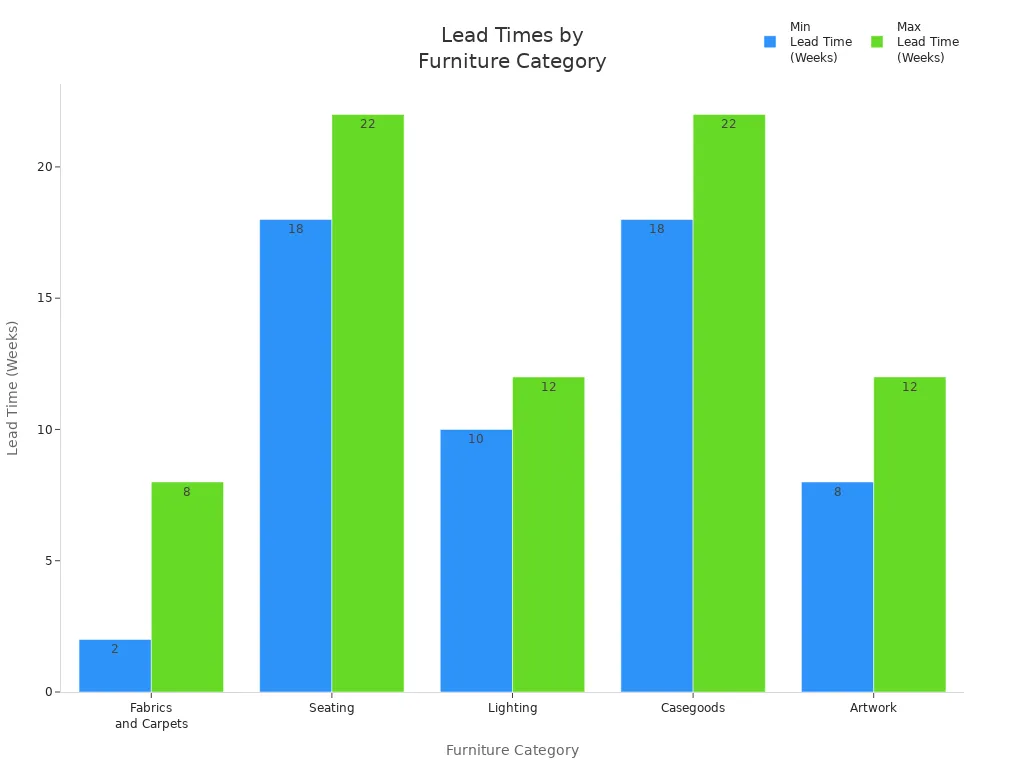
The following table illustrates the lead times associated with various furniture categories and how customization impacts these timelines:
| Furniture Category | Lead Time (Weeks) | Impact of Customization |
|---|---|---|
| Fabrics and Carpets | 2–8 | Complexity increases lead time |
| Seating | 18–22 | Overseas sourcing extends timelines |
| Lighting | 10–12 | Custom designs take longer |
| Casegoods | 18–22 | Overseas sourcing can delay |
| Artwork | 8–12 | Custom framing extends lead time |
Evaluate Warranties and Return Policies
When selecting hotel furniture, evaluating warranties and return policies is essential. Hotels should prioritize suppliers that offer clear and comprehensive warranties. A solid warranty guarantees support from the manufacturer for repairs or replacements after purchase. This assurance can save hotels significant costs in the long run.
Hotels must also examine return and replacement policies. Well-defined policies help address issues such as damaged or incorrect items. A supplier with a flexible return policy allows hotels to return furniture that does not meet their expectations or requirements. This flexibility is crucial for maintaining guest satisfaction and operational efficiency.
Consider the following key points when evaluating warranties and return policies:
- Duration of Warranty: Look for warranties that cover a reasonable period. Longer warranties often indicate higher quality and durability.
- Coverage Details: Understand what the warranty covers. It should include defects in materials and workmanship.
- Return Process: Review the steps involved in returning items. A straightforward process minimizes disruption to hotel operations.
- Replacement Terms: Ensure the policy outlines how replacements are handled. Quick replacements can prevent guest dissatisfaction.
By carefully assessing these factors, hotel managers can make informed decisions that protect their investments. A strong warranty and favorable return policy not only enhance the purchasing experience but also contribute to long-term guest satisfaction.
Thoughtful selection of hotel furniture enhances guest satisfaction and reinforces brand identity. Prioritizing comfort and style creates memorable experiences. Hotel managers must make informed purchasing decisions to balance quality and budget. This approach ensures that properties remain competitive and appealing to guests.
FAQ
What types of materials are best for hotel furniture?
Durable materials like hardwood, aluminum, and synthetic wicker work well for hotel furniture. They withstand heavy use and require minimal maintenance.
How often should hotels replace their furniture?
Hotels should evaluate furniture every 5-7 years. Regular assessments ensure that furnishings remain comfortable, stylish, and aligned with brand identity.
Can hotels customize their furniture?
Yes, hotels can customize furniture to reflect their brand identity. Customization enhances aesthetics and improves guest experience by meeting specific needs.