

Direct partnerships with hotel furniture manufacturers offer unparalleled strategic advantages. These collaborations deliver superior cost savings. Global hotel brands achieve up to 20% savings by eliminating intermediaries, allowing investment into material quality. They also gain superior quality control and customization capabilities for custom hotel furniture. Brands prioritize direct sourcing for enhanced operational efficiency and brand consistency. This distinction highlights the benefits of a direct hotel furniture manufacturer vs supplier. A dedicated hotel project furniture supplier, especially one serving as a hotel furniture manufacturer for luxury hotels or a hotel furniture manufacturer for large projects, provides these crucial benefits.
Key Takeaways
- Direct partnerships with furniture makers save money. They remove extra costs from middlemen.
- Hotels get custom furniture designs. They control the quality of materials and how the furniture looks.
- Working directly with manufacturers makes things run smoothly. It helps with clear talks and on-time delivery.
- This way of buying furniture helps hotels keep their brand strong. It makes guests happy and helps the business grow.
Maximizing Cost Efficiency in Hotel Furniture Procurement
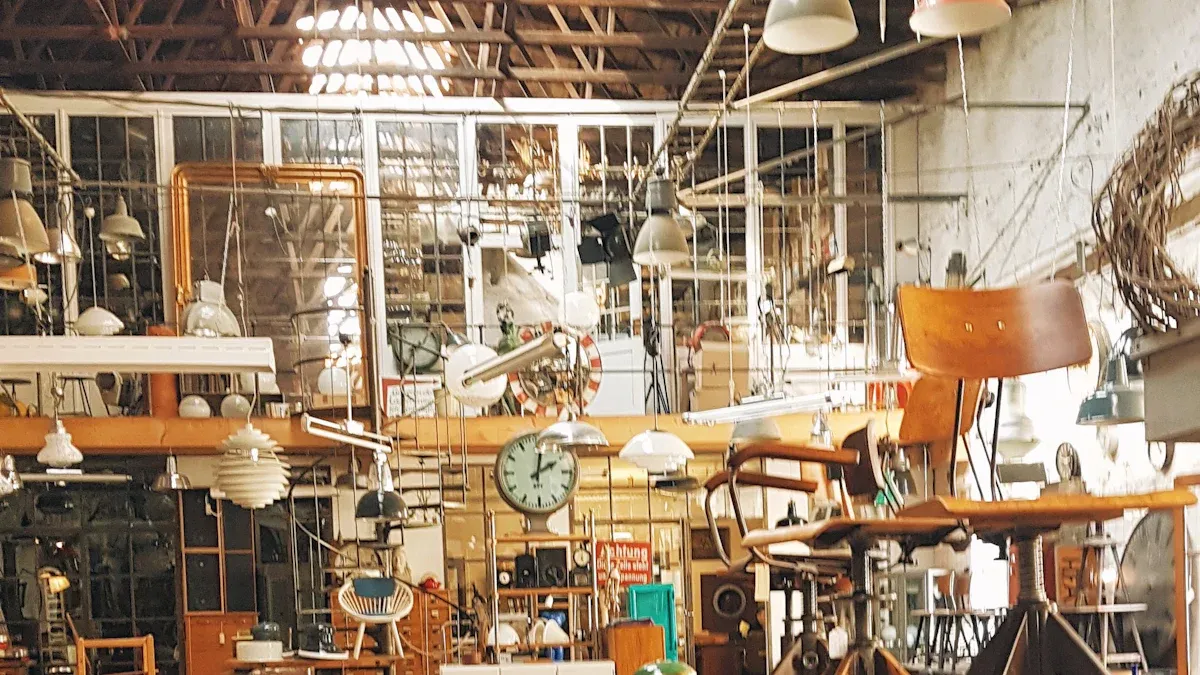
Global hotel brands consistently seek ways to optimize their spending. Direct engagement with furniture manufacturers offers a clear path to significant cost savings. This approach allows brands to invest more in quality materials and craftsmanship, ultimately enhancing the guest experience.
Eliminating Intermediary Markups
Working directly with manufacturers removes several layers of cost. When hotels purchase furniture through distributors, agents, or other intermediaries, each party adds its own markup. These additional costs inflate the final price of the furniture without adding tangible value to the product itself. By bypassing these middlemen, hotel brands pay only for the manufacturing, materials, and direct shipping. This streamlined process ensures that every dollar spent goes directly into the product, maximizing the return on investment for each piece of Hotel Furniture.
Securing Favorable Bulk Pricing for Hotel Furniture
Direct manufacturers often provide more attractive pricing for large-volume orders. Global hotel brands, with their extensive property portfolios, can leverage their purchasing power to negotiate significant discounts. They employ strategic methods to achieve these favorable terms. For instance, brands standardize specifications and designs for scale. This involves creating modular designs and repeatable standards. They also use a design library with pre-approved materials. This balances aesthetics with manufacturability, which reduces production costs and simplifies the process. Furthermore, hotels consolidate suppliers to increase their leverage. By concentrating purchasing volume with fewer manufacturers, they gain greater bargaining power. This leads to better discounts, improved payment terms, and enhanced service. They often negotiate master agreements that include volume-tiered discounts, ensuring consistent savings across multiple projects.
Reducing Unforeseen Costs and Surcharges
Indirect procurement often introduces a host of unexpected expenses. Intermediaries may not always disclose all potential charges upfront, leading to budget overruns. Direct manufacturers, however, provide transparent pricing structures. This transparency helps hotel brands avoid common unforeseen costs and surcharges. These can include fuel surcharges, which fluctuate with global oil prices. Port congestion and seasonality can also cause delays and additional fees during peak times. Customs duties, or tariffs, are taxes on imported goods. Their rates vary based on the furniture’s HS Code, country of origin, and the destination country’s trade agreements. Value Added Tax (VAT) or Goods and Services Tax (GST) are consumption taxes on imported items, calculated on the total value including goods, duties, and freight. Other processing fees, such as administrative and handling charges from customs brokers or freight forwarders, also add to the cost. Documentation fees for necessary import paperwork represent another potential expense. While shipping insurance is a planned cost, it covers unforeseen damage or loss during transit, typically costing around 0.3% to 0.5% of the CIF value. Direct partnerships minimize these surprises, allowing for more accurate budgeting and financial planning.
Achieving Bespoke Hotel Furniture Design and Quality Control
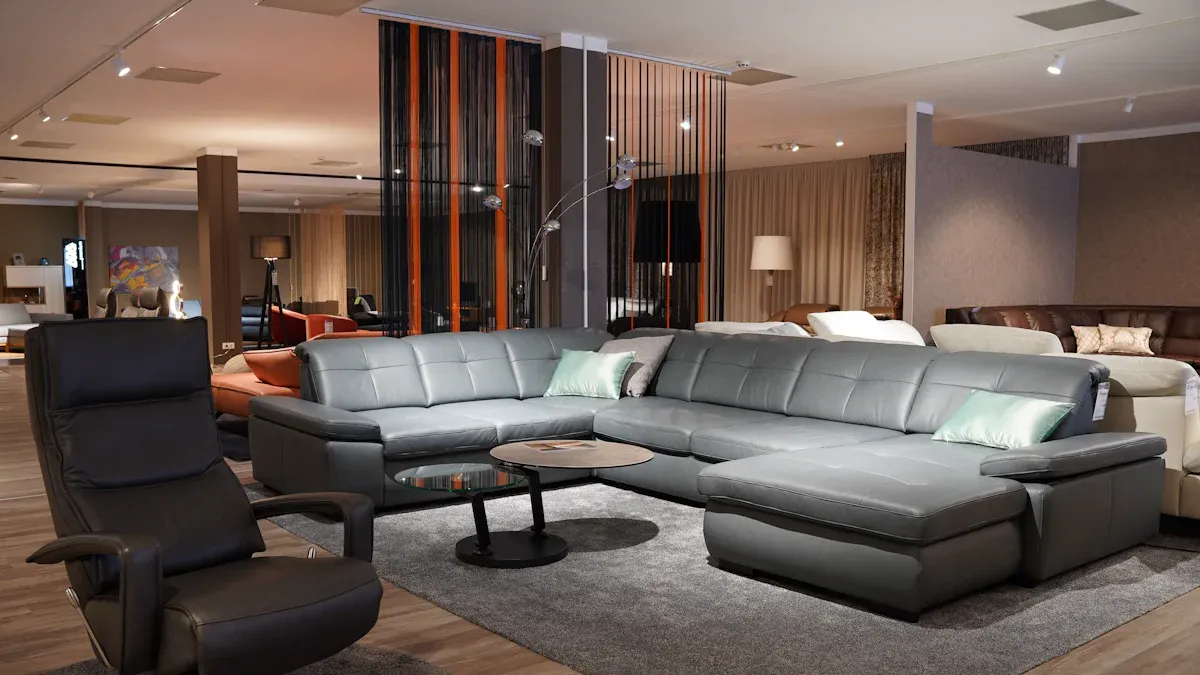
Global hotel brands understand that furniture is more than just functional; it defines the guest experience and reinforces brand identity. Direct partnerships with manufacturers allow them to achieve precise design specifications and maintain stringent quality control.
Tailoring Hotel Furniture to Brand Aesthetics
Direct manufacturers offer extensive customization options. They help hotel brands create unique environments that reflect their specific aesthetic vision. Manufacturers provide custom finish matching for wood, metal, veneer, and upholstery. They develop and approve samples before production begins. This ensures perfect alignment with brand guidelines. They also incorporate a wide variety of materials, including quartz, granite, marble, custom wood finishes, and metals. Manufacturers integrate modern features like USB connections and lighting directly into the furniture.
Hotel brands can modify existing furniture designs. This includes replicating or adapting pieces while upholding quality specifications and meeting regulations. Manufacturers determine suitable furniture dimensions and placement based on room specifications. They focus on space planning proficiency to adhere to ADA regulations and enhance perceived spaciousness. Brands often incorporate regional materials, such as Pacific Northwest cedar or Southern cypress. They also use traditional patterns like Southwestern geometrics or Hawaiian tapa designs in upholstery fabrics and carved details. This reflects local heritage and cultural identity. Manufacturers integrate regional artisan techniques, such as New England hand-joinery or California leather tooling, to add unique craftsmanship. They incorporate cultural motifs and local artistic expressions into furniture pieces. Examples include traditional patterns in headboard carvings, local textile designs in upholstery, or indigenous art techniques in cabinet door panels. Brands also source eco-friendly custom furniture using FSC-certified hardwoods, recycled metals, low-VOC finishes, water-based adhesives, and modular designs for sustainability. They incorporate specific functional requirements like built-in USB ports, hidden storage solutions, or modular configurations. Manufacturers design for guest experience by balancing refined aesthetics with ergonomic considerations. This includes ideal seat depths, properly angled backrests, and supportive cushioning. Strategic space planning for furniture layouts optimizes traffic patterns, creates intuitive pathways, and maximizes functional use of space. This ensures ADA compliance and adequate room for housekeeping access.
Ensuring Superior Material Sourcing for Hotel Furniture
Manufacturers prioritize durability and aesthetic appeal when selecting materials for hotel furniture. They understand that hotel pieces must endure constant use, spills, and heavy traffic. High-quality materials like solid wood, metal reinforcements, and commercial upholstery are essential for longevity. They also look for fire-retardant materials, scratch-resistant coatings, and ergonomic designs. These choices enhance guest comfort and ensure the furniture withstands the demanding hospitality environment while maintaining its aesthetic appeal.
Key material specifications for hospitality furniture consider both durability and functionality. Materials must withstand high traffic and constant use. They should also support the furniture’s intended use. While more durable materials might be more expensive initially, they often lead to long-term savings. This happens by extending the furniture’s lifespan. Manufacturers use sustainable and certified materials, ensuring eco-friendly furniture. They implement low-impact finishes and water-based coatings. They also adhere to fair labor practices and transparent supply chains, following BSCI and Sedex standards. This includes utilizing sustainably harvested wood, reclaimed materials, bamboo, cork, recycled metals or plastics, and FSC-certified wood. Production processes employ non-toxic, water-based adhesives and finishes, low-VOC finishes, and energy-efficient machinery. They also reduce water consumption. Manufacturers adopt zero-waste and low-energy production techniques like CNC cutting and solar-powered factories. They use digital technology for smarter design to optimize resource use and reduce waste.
Implementing Rigorous Quality Assurance for Hotel Furniture
Leading manufacturers implement strict quality assurance protocols throughout production. They conduct initial material inspections. This verifies wood components are free from warping and knots. Upholstery must meet minimum 30,000 double-rub test standards. Metal components must demonstrate corrosion resistance. Manufacturers oversee the manufacturing process. They ensure precision alignment and uniform dimensions during cutting and assembly. They reinforce stress points and apply adhesives properly for joinery. They also ensure even coating with proper drying time for finishing.
Manufacturers perform durability and performance testing. This includes weight-bearing tests (300+ lbs for 24 hours), impact resistance tests (2kg ball from 10cm height), and cycle testing (5,000 cycles for drawers/hinges). They also conduct moisture exposure tests (damp cloth for 24 hours). Safety and compliance standards are paramount. Manufacturers require fire-retardant materials and non-toxic finishes with low VOC emissions. They ensure rounded edges on guest-contact surfaces and tip-prevention design for tall case goods. They conduct aesthetic and finish inspections. This evaluates color consistency, flawless upholstery with even stitching, and smooth operation of moving parts. They check for the absence of visible defects under natural and artificial lighting.
Crucial certifications and standards for quality and safety include ISO 9001 for quality management and ISO 14001 for environmental management. Oeko-Tex Standard 100 ensures textile safety. FSC Certification applies to sustainably sourced wood. BIFMA standards cover the design, testing, and performance of commercial furniture. These standards ensure durability, safety, and comfort. Fire safety compliance is critical. Upholstered furniture must meet fire-retardant standards like California Technical Bulletin 117-2013. Chemical safety ensures paints, adhesives, and finishes are non-toxic and eco-friendly. Stability tests prevent tipping hazards. Child and elderly safety considerations include rounded edges, secure railings, and reinforced structures.
Streamlining Supply Chain and Operational Reliability for Hotel Furniture
Global hotel brands rely on efficient supply chains. Direct partnerships with furniture manufacturers significantly enhance operational reliability. This approach ensures timely delivery and consistent quality for every project.
Enhancing Direct Communication and Transparency
Direct communication with manufacturers builds stronger relationships. It also fosters greater transparency throughout the entire furniture procurement process. This direct line of communication is crucial for effective problem-solving and decision-making. Manufacturers and hotel brands establish clear communication protocols. These protocols define roles and responsibilities. This reduces confusion and holds all parties accountable. Effective problem-solving relies on this foundation.
Project teams utilize centralized project management tools. Digital platforms like Procore, Asana, or Buildertrend offer real-time updates. They also facilitate document sharing. This improves transparency. All stakeholders remain informed for better decision-making. Regular status meetings are also essential. Weekly or bi-weekly meetings allow project teams to align objectives. They address challenges proactively. This directly enhances problem-solving and decision-making.
Open communication among the designer, client, and vendor is key. It resolves specification conflicts swiftly. Meticulous documentation of approved specifications, such as size, color, and brand standards, helps resolve discrepancies quickly. This minimizes disruptions. It keeps the project moving smoothly. Inadequate communication between contractors, designers, and suppliers often leads to installation delays. It also causes quality issues and cost overruns. Establishing weekly coordination meetings with all stakeholders prevents these problems. Using project management software for real-time communication also helps. Clearly defining responsibilities and dependencies in contracts further improves problem-solving. It ensures clarity for decision-making.
Optimizing Production and Delivery Schedules
Direct manufacturers offer greater control over production timelines. This allows hotel brands to align furniture delivery with project milestones. This optimization is critical for large-scale renovations or new constructions. Manufacturers typically provide custom project quotes within five days of receipt. They deliver shop drawings within five days of a purchase order. Model rooms are delivered within six weeks. Full production is completed within 16 weeks. These clear timelines help hotel brands plan effectively. They ensure projects stay on schedule.
Manufacturers develop flexible production schedules. These schedules account for potential delays. They adjust timelines, stagger orders, or run simulations. This proactive approach minimizes disruptions. They communicate contingency plans to all relevant stakeholders. This includes internal teams and suppliers. These plans detail actions to take during delays. Transparency in planning builds trust. It also encourages suppliers to meet deadlines.
Mitigating Supply Chain Risks and Delays
Complex supply chains involve thousands of products from around the globe. Professional hotel procurement teams manage these complexities. They bring logistical expertise and responsible sourcing practices. They oversee manufacturing schedules, international shipping, and customs clearance. They also manage warehousing and final delivery. These teams identify risks early. They mitigate delays. They protect critical project paths. They ensure seamless communication between suppliers, freight forwarders, and project teams.
Common supply chain risks include over-reliance on a single supplier. This exacerbates risks of commodity shortages and cost fluctuations. It also restricts access to sustainable or bespoke materials. A limited vendor base hinders product innovation. It diminishes guest experience. This leads to increased purchasing costs and late deliveries. Cost volatility also arises from a lack of competition. A smaller supplier pool reduces price negotiation leverage. Costs can soar by 10–20%.
Mitigation strategies include diversifying suppliers. Brands implement dual sourcing strategies. They expand the supplier base to encourage competition and innovation. Utilizing e-sourcing platforms helps tap into global options. It broadens vendor networks. This finds, vets, and manages a wider pool of suppliers. Regular negotiations and market research proactively identify risks. They secure competitive pricing. Annual contract reviews identify potential issues. They ensure flexibility.
Manufacturers also offer robust contingency plans. They diversify suppliers to avoid dependency on single vendors. They source from multiple regions. Localizing production through nearshore or onshore manufacturing reduces international shipping and geopolitical risks. Investing in redundancy means maintaining buffer inventory or emergency stock for critical components. Leveraging predictive analytics and AI forecasts disruptions. It optimizes processes. Prioritizing visibility across the supply chain uses IoT and blockchain for real-time tracking. Strengthening collaboration with suppliers involves clear communication, trust, and joint risk assessments. Embracing digital transformation with PLM and ERP systems centralizes data. It streamlines operations. Developing robust contingency plans includes detailed risk management frameworks and regular simulations. Enhancing workforce agility through cross-training and flexible labor strategies also helps. Incorporating sustainability into the supply chain strategy reduces environmental impact. It builds brand trust.
Direct engagement with hotel furniture manufacturers is a strategic imperative for global brands. This approach consistently yields significant advantages. It improves cost efficiency, ensures superior quality, and enhances operational reliability. The preference for direct sourcing underpins brand integrity. It also boosts guest satisfaction and drives long-term success for all Hotel Furniture projects.
FAQ
Why do global hotel brands prefer direct manufacturers over suppliers?
Direct manufacturers eliminate intermediary markups. They offer better pricing and greater control over design and quality. This approach streamlines communication and reduces supply chain risks.
How do direct manufacturers ensure high-quality hotel furniture?
They implement rigorous quality assurance protocols. This includes material inspections, in-process checks, and performance testing. They also adhere to industry certifications like ISO and BIFMA.
What customization options do direct manufacturers provide for hotel furniture?
Direct manufacturers offer extensive customization. They tailor designs to brand aesthetics, match finishes, and integrate specific functional requirements. They also incorporate regional materials and artisan techniques.
How does direct sourcing impact project timelines for hotel furniture?
Direct sourcing optimizes production and delivery schedules. Manufacturers provide clear timelines for quotes, shop drawings, and full production. This helps hotel brands align furniture delivery with project milestones.