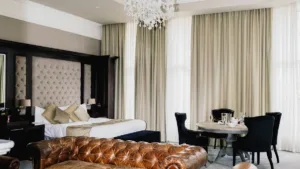
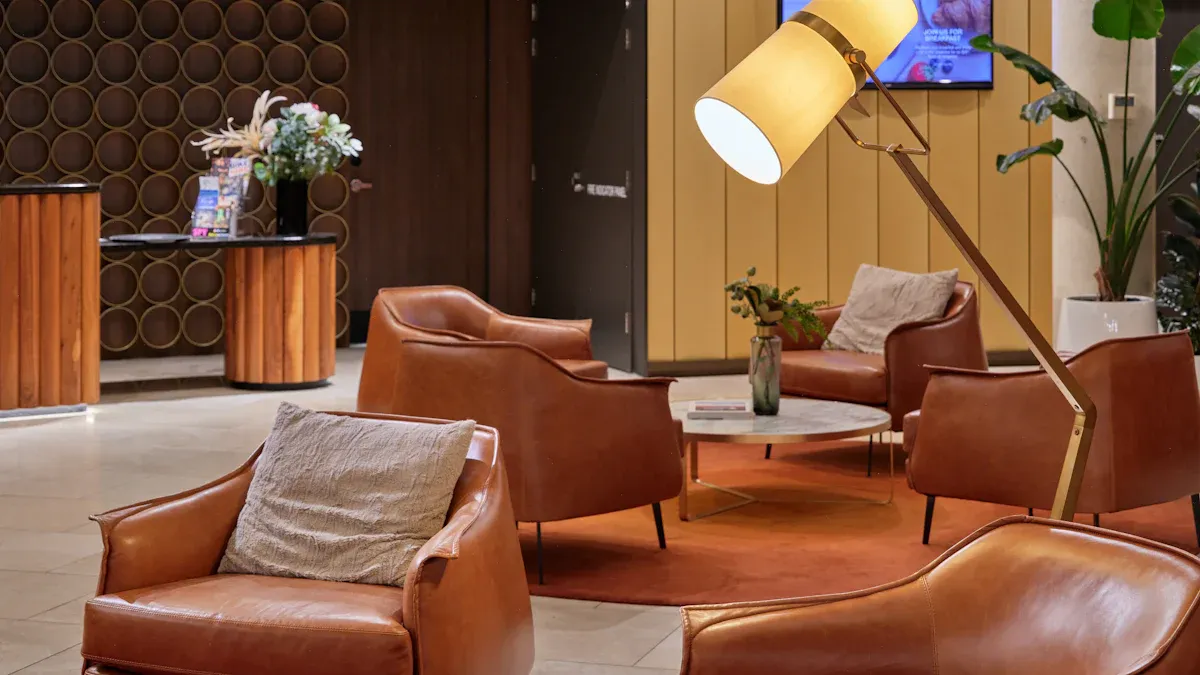
The optimal custom furniture manufacturer for hotel projects is not a single entity. It depends on specific project needs, budget, and design vision. Identifying the ideal partner requires evaluating manufacturers based on their specialization, quality, customization capabilities, and project management expertise. Among upscale and luxury hotels, custom furniture solutions are utilized in 65% of procurement. This highlights a significant trend in the hospitality industry. This guide assists in navigating the custom Hotel Furniture landscape. It helps find the perfect match for your Hotel Project Furniture. Taisen Hotel Project Furniture, for example, provides diverse Hotel Guest Room Furniture options. They offer specialized Custom Hotel Furniture, including solutions for Boutique Hotel Guest Room Furniture.
Key Takeaways
- The best furniture maker for your hotel depends on your project’s needs and budget. You must check their quality and ability to customize.
- Different regions have strengths in furniture making. North America offers strong project management. Europe focuses on design and green practices. Asia provides good prices and many choices.
- Specialized furniture makers focus on certain hotel types. Some make luxury items. Others create unique designs for boutique hotels. Some offer budget-friendly options or handle large hotel chains.
- When choosing a maker, check their quality, how well they can customize, and their project management skills. Also, look at their prices and commitment to being eco-friendly.
- A good partnership starts with clear project plans. You should compare what different makers offer. Good communication and understanding delivery times are also very important.
Top Custom Hotel Furniture Manufacturers by Region
The global landscape of custom hotel furniture manufacturing features diverse expertise across different regions. Each area offers unique strengths, from design innovation to production efficiency. Understanding these regional specializations helps project managers identify the most suitable partners for their specific needs.
Leading North American Hotel Furniture Manufacturers
North American manufacturers often distinguish themselves through robust project management, high-quality craftsmanship, and adherence to stringent industry standards. They frequently collaborate closely with designers and architects to bring complex visions to life. These manufacturers prioritize durability and aesthetic appeal, catering to the demanding requirements of the hospitality sector.
Leading North American hotel furniture manufacturers, such as Artone, have served a wide range of notable clients and undertaken various specific projects. Their portfolio includes work for major hotel brands:
- AmericInn by Wyndham
- Best Western Hotels & Resorts
- City Express By Marriott
- Country Inn & Suites by Radisson
- Days Inn by Wyndham
- DoubleTree by Hilton
- Fairfield Inn by Marriott
- Hampton by Hilton
- La Quinta Inns & Suites by Wyndham
- Microtel by Wyndham
- StudioRes by Marriott
- Super 8 by Wyndham
- Tapestry Collection by Hilton
- TownePlace Suites by Marriott
- TRYP by Wyndham
- The Westin
- Wyndham by Wyndham
- Wyndham Garden by Wyndham
Artone also completed custom projects in sectors such as boutique hotels and casino & resort facilities. Their other project types include commercial furnishings, franchise fixtures, and healthcare.
Prominent European Hotel Furniture Manufacturers
European manufacturers are renowned for their design innovation, superior materials, and commitment to sustainable practices. Countries like Germany stand out as global leaders in craftsmanship, innovation, and sustainable manufacturing for hotel furniture. The German hotel furniture market projects a 4.7% compound annual growth rate (CAGR) from 2025 to 2035, indicating significant expansion and demand for quality hotel accommodations.
The phrase ‘Made in Germany’ signifies precision engineering, meticulous attention to detail, and uncompromising quality standards in the furniture industry. German manufacturers combine traditional techniques with cutting-edge technologies. They adhere to strict environmental regulations, using FSC-certified woods, water-based finishes, and energy-efficient manufacturing processes. Certifications like Blue Angel further demonstrate their commitment to sustainability. These manufacturers specialize in contract-grade furniture engineered for commercial environments. This leads to superior construction, fewer replacements, and a longer service life, despite potentially higher initial costs.
Key Asian Hotel Furniture Manufacturers
Asian manufacturers offer compelling advantages for sourcing custom hotel furniture, particularly regarding cost-effectiveness and production scalability. They provide flexibility in design and customization, allowing for bespoke furniture pieces that align with a hotel’s unique theme and requirements. Many Asian countries boast a highly skilled and dedicated workforce with a strong tradition of craftsmanship, ideal for creating high-quality, bespoke hotel furniture. Lower labor and production costs compared to many Western countries make Asia a cost-effective choice for sourcing hotel furniture.
The region also benefits from abundant natural resources. The availability of quality timber and bamboo provides a solid foundation for crafting durable and aesthetically pleasing hotel furniture, with increasing adoption of sustainable sourcing practices. Manufacturers offer a wide range of options, from classic to contemporary designs, accommodating various hotel styles. Asian hotel furniture exports meet international standards, ensuring consistent quality for global properties. Manufacturers excel at delivering tailored solutions that define a hotel’s unique identity, offering personalized design for every space. Hotels can reduce procurement costs by up to 30% while maintaining high quality standards, benefiting from transparent pricing and efficient processes. Manufacturers can handle both small production runs and large-scale orders, offering flexible quantities and consistent quality across bulk production. Reliable supply chain management includes vetting manufacturers, coordinating production and logistics, and providing regular updates to minimize delays. Partnerships with manufacturers prioritize reclaimed wood, eco-friendly materials, and sustainable production methods, helping hotels meet corporate sustainability goals.
Several Asian countries specialize in different types of custom hotel furniture production:
| Country | Expertise in Custom Hotel Furniture Production | Specific Examples of Furniture Types |
|---|---|---|
| China | Known for its vast manufacturing capabilities, competitive pricing, and ability to produce a wide range of furniture styles from modern to classic. Many factories offer comprehensive OEM/ODM services. | Guest room furniture (beds, desks, wardrobes), lobby seating, restaurant tables and chairs, outdoor patio furniture, custom millwork. |
| Vietnam | Recognized for high-quality wooden furniture, particularly solid wood and handcrafted pieces, often at competitive prices due to skilled labor and abundant natural resources. | Wooden beds, cabinets, chairs, tables, and decorative items, often with intricate carvings or unique finishes. |
| Malaysia | Strong in wooden furniture manufacturing, especially rubberwood and tropical hardwood. Focuses on sustainable practices and offers a good balance of quality and cost-effectiveness. | Bedroom sets, dining sets, outdoor furniture, and office furniture, often with a focus on durability and natural aesthetics. |
| India | Known for handcrafted furniture, intricate designs, and traditional craftsmanship, often incorporating rich cultural aesthetics. Also strong in metal and textile-based furniture. | Hand-carved wooden furniture, antique reproductions, metal furniture, upholstered seating, and decorative accents. |
| Indonesia | Famous for its artisanal craftsmanship, particularly in teak wood and rattan furniture. Offers unique designs and high-quality, often handmade, pieces. | Teak outdoor furniture, rattan chairs and sofas, intricately carved wooden panels, and bespoke decorative items. |
| Thailand | Specializes in wooden furniture, particularly from sustainable plantations, and also has a growing reputation for modern and contemporary designs. | Teak and rubberwood furniture, modern minimalist designs, outdoor furniture, and spa/resort-style furnishings. |
| Philippines | Known for its expertise in rattan, wicker, and other natural fiber furniture, often with unique weaving techniques and tropical designs. | Rattan chairs, sofas, and tables, wicker outdoor furniture, and furniture incorporating indigenous materials and designs. |
For example, Taisen, a furniture factory in Ningbo, China, specializes in dining tables, chairs, bedroom sets, and hotel project furniture. They have over ten years of experience in making hotel project furniture.
Emerging Global Hotel Furniture Manufacturers
The global landscape for custom hotel furniture manufacturing constantly evolves. New regions and countries gain recognition for their capabilities. These emerging markets offer compelling advantages, including competitive pricing, strong craftsmanship, and innovative design approaches. They provide viable alternatives to traditional manufacturing hubs, expanding options for hotel developers and designers seeking unique solutions.
Several regions and countries are making significant strides in the custom hotel furniture sector. They offer distinct strengths and specializations:
| Region/Country | Strengths/Recognition | Best For/Specialization |
|---|---|---|
| Turkey | Beautiful woodwork, European-influenced design, competitive prices, strong wood craftsmanship | Middle East, Europe, boutique hotels, elevated aesthetics with reasonable lead times |
| Southeast Asia (Vietnam, Malaysia, Indonesia) | Competitive pricing, rising manufacturing hubs, solid craftsmanship, flexible pricing, stable quality, flexible customization, strong design capability | Budget hotels, fast-deployment projects, high-quality wood craftsmanship at competitive pricing, lifestyle hotels, modern resorts, design-focused brands |
Turkey has emerged as a notable player. Manufacturers there excel in beautiful woodwork and European-influenced designs. They offer competitive prices and demonstrate strong wood craftsmanship. Turkish manufacturers serve boutique hotels and projects in the Middle East and Europe. They provide elevated aesthetics with reasonable lead times.
Southeast Asia, encompassing countries like Vietnam, Malaysia, and Indonesia, represents a dynamic manufacturing hub. This region offers competitive pricing and rising production capabilities. Manufacturers here provide solid craftsmanship, flexible pricing, and stable quality. They also offer flexible customization and strong design capabilities. Southeast Asian producers cater to budget hotels and fast-deployment projects. They deliver high-quality wood craftsmanship at competitive prices. Lifestyle hotels, modern resorts, and design-focused brands also benefit from their offerings.
Specific manufacturers within Southeast Asia exemplify these strengths. Tran Duc Furnishings in Vietnam showcases strong craftsmanship and high-quality woodworking. They operate a modern production facility. This facility includes CNC machining, veneer finishing, upholstery, and metalwork. Tran Duc Furnishings offers a competitive alternative to Chinese manufacturers. They serve boutique and mid-scale hospitality projects needing high-quality wood craftsmanship at competitive pricing. Similarly, Indonesia’s Vivere Group produces contract-grade furniture with strong design capabilities. They operate integrated factories for woodwork, metalwork, and upholstery. Vivere Group possesses strong regional project experience. They cater to lifestyle hotels, modern resorts, and design-focused brands requiring stylish furniture. These emerging global manufacturers provide diverse and valuable options for any hotel project.
Specialized Custom Hotel Furniture Manufacturers
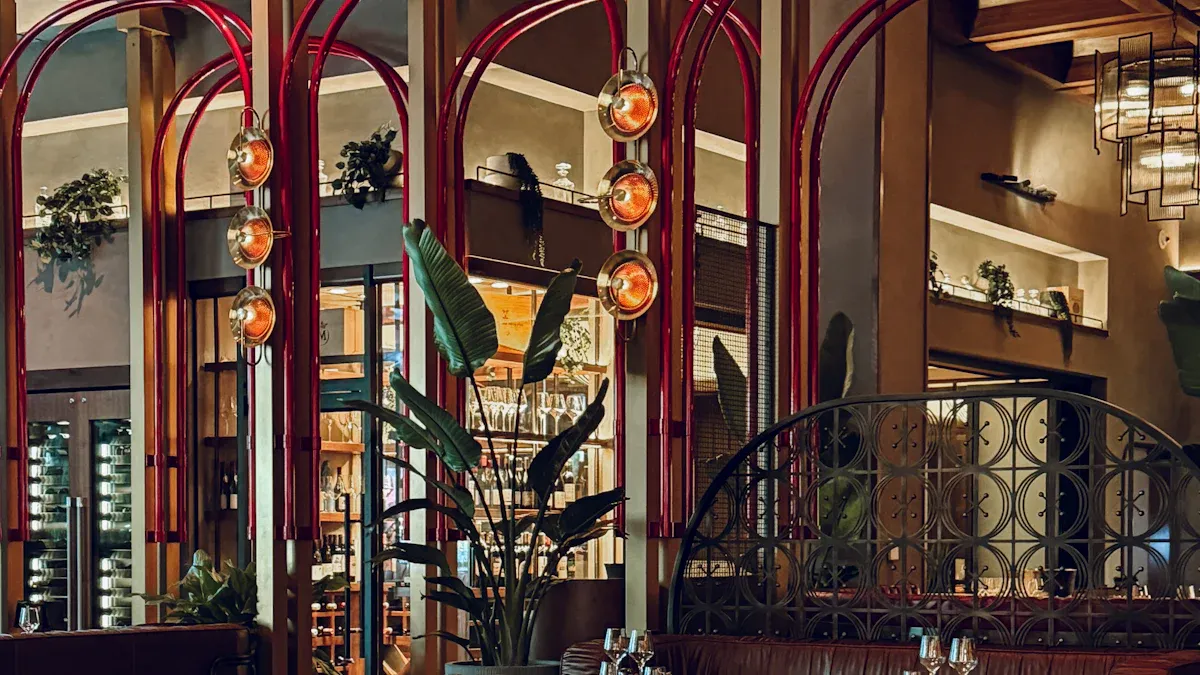
The diverse hospitality sector demands specialized furniture solutions. Manufacturers often focus on specific market segments, offering expertise tailored to luxury, boutique, budget, or large-scale projects. Understanding these specializations helps project managers find the right partner for their unique needs.
Luxury and High-End Hotel Furniture Specialists
Luxury and high-end hotel furniture specialists craft pieces that define opulence and exclusivity. They prioritize premium materials like solid wood, leather, marble, and high-quality fabrics. These manufacturers employ precision craftsmanship, often utilizing advanced techniques such as CNC machining and laser cutters. Their bespoke designs reflect a hotel’s unique brand identity. Furniture is designed for high durability, ensuring it withstands extensive use while maintaining its pristine condition. This commitment to superior craftsmanship means meticulous attention to detail. Each piece seamlessly fits the hotel’s interior. These specialists balance elegance with longevity and functionality, enduring constant wear without compromising appearance or comfort. They also offer sustainable options, increasingly investing in eco-friendly furniture. This promotes sustainability within the luxury market.
Boutique Hotel Furniture and Unique Design Providers
Boutique hotel furniture providers excel at creating unique, memorable spaces. They offer adaptable furniture arrangements, catering to both leisure and business travelers with versatile work surfaces and convertible seating. Efficient storage solutions are common, featuring integrated designs and modular elements that reduce clutter. These providers often incorporate regional materials and traditional patterns, creating an authentic sense of place. They use locally-sourced woods, textiles, and craftsmanship techniques. Sustainable custom furniture solutions are also a priority, including FSC-certified hardwoods, recycled metals, and low-VOC finishes. Custom specifications for durability and luxury are standard, such as high-performance fabrics and reinforced hardwood frames. Strategic advantages include maximizing space utilization and achieving perfect fits for unique room layouts. They also integrate specific functional requirements like built-in USB ports or modular configurations.
| Design Element | Modern Hotel Furniture Features | Benefits for Guests |
|---|---|---|
| Beds & Headboards | Upholstered, modular, with customizable lighting | Enhanced comfort and sophistication |
| Lobby Seating | Geometric designs with premium, durable fabrics | Welcoming and memorable first impression |
| Dining Furniture | Compact tables paired with ergonomic chairs | Improved dining comfort and efficiency |
| Work Desks | Sleek designs with integrated power sockets | Functional, business-friendly workspaces |
Budget-Friendly and Mid-Range Hotel Furniture Solutions
Budget-friendly and mid-range hotel furniture solutions balance cost with durability and aesthetic appeal. Hotels prioritize quality over quantity. Investing in high-quality pieces, though initially more expensive, proves more cost-effective long-term. This reduces replacement frequency and maintenance costs. Hotels explore multiple suppliers, comparing prices, quality, and styles. This allows for better negotiation and substantial savings. Considering second-hand options significantly reduces costs and offers a variety of styles. It is also an environmentally conscious choice. Opting for timeless designs ensures longevity, versatility, and guest appeal. This eliminates the need for frequent updates. Negotiating bulk discounts provides leverage for better prices. Planning for future maintenance extends furniture lifespan and keeps it looking fresh. Partnering with trusted suppliers is crucial. They offer high-quality materials and expert craftsmanship. This ensures the Hotel Furniture can withstand the rigors of a hotel environment.
Large-Scale Chain Hotel Furniture Production Experts
Manufacturers specializing in large-scale chain hotel projects possess unique capabilities. They offer custom manufacturing, producing bespoke Hotel Furniture items that align with a brand’s aesthetic and functional needs. Scalable production is essential for these manufacturers. It ensures consistent quality and timely delivery across multiple hotel sites and large-scale projects. They implement strict quality control measures. These measures ensure all custom hospitality furniture meets international standards for durability and fire safety. A global logistics network is critical for their operations. This network facilitates efficient shipping and on-site installation, especially for time-sensitive projects. These experts understand the complexities of managing extensive rollouts. They deliver consistent brand experiences across numerous properties.
Sustainable and Eco-Friendly Hotel Furniture Manufacturers
Sustainable and eco-friendly hotel furniture manufacturers prioritize environmental responsibility. They craft furniture from sustainable materials and employ processes that emphasize responsible sourcing and manufacturing. Key materials include reclaimed wood, bamboo, recycled metal, and organic fabrics. Manufacturers also prefer furniture finished with non-toxic, water-based paints and lacquers. These choices reduce environmental harm. They contribute to environmental conservation. These practices align with environmentally conscious approaches in the hospitality sector.
Many certifications and standards guide these manufacturers. E0 and CARB P2 indicate low formaldehyde emissions. FSC (Forest Stewardship Council) certifies responsibly managed forests and wood products. BS 7176 and CAL 117 specify flame-retardant requirements for upholstered furniture. Green building certifications like LEED (Leadership in Energy and Environmental Design) and BREEAM (Building Research Establishment Environmental Assessment Method) also include requirements for furniture material selection, manufacturing processes, and durability. Manufacturers often utilize recycled and upcycled materials. This reduces waste and supports a circular economy. They prioritize low-VOC and non-toxic finishes. This improves indoor air quality. Partnering with sustainable suppliers is also a key practice. These suppliers use energy-efficient processes and source materials responsibly.
Essential Criteria for Selecting a Custom Hotel Furniture Manufacturer
Selecting the right custom furniture manufacturer for a hotel project requires careful consideration of several critical factors. These factors ensure the final product meets the project’s aesthetic, functional, and budgetary requirements. Manufacturers must demonstrate expertise in quality, customization, and efficient project management.
Assessing Quality and Durability of Hotel Furniture
Manufacturers must prioritize the quality and durability of their products. Hotel furniture endures constant heavy usage and high guest turnover. This leads to significant wear and tear on items like beds, sofas, and other furnishings. High-touch areas, such as door handles and light switches, also show rapid deterioration. Therefore, furniture must withstand continuous stress.
Reputable manufacturers adhere to stringent industry standards. In North America, ANSI/BIFMA standards ensure furniture handles repeated stress, impact, and static load without failure. Equivalent European norms, like EN standards, serve the same purpose for furniture durability in Europe. These benchmarks cover various furniture categories:
| Furniture Category | Applicable BIFMA Standards | Key Testing Parameters |
|---|---|---|
| Seating | ANSI/BIFMA X5.1 | Durability, stability, load capacity |
| Tables | ANSI/BIFMA X5.5 | Structural performance, leg strength |
| Storage | ANSI/BIFMA X5.9 | Stability, drawer operation cycles |
| Panel Systems | ANSI/BIFMA X5.6 | Functionality, installation integrity |
Fire safety is another crucial aspect. Certifications like CAL 117-2013 or equivalent regional fire codes are essential for flame-retardant hotel seating. These ensure safety in public and high-density areas. Furthermore, manufacturers must comply with ADA Regulations. These regulations establish accessible design requirements for hotels. They ensure furniture choices and room layouts accommodate guests with mobility devices, including specific clearance measurements and bed heights. For wood products, Architectural Woodworking Standards (AWI) set quality benchmarks. They recommend ‘Custom Grade’ for high-quality wooden hotel furniture and ‘Premium Grade’ for high-use items. Manufacturers demonstrating compliance with these standards offer reliable and long-lasting products.
Evaluating Customization Capabilities for Hotel Furniture
A manufacturer’s ability to customize furniture is paramount for creating a unique hotel identity. Top custom hotel furniture manufacturers like GCON, Fulilai, Kimball Hospitality, Charter Furniture, and Hotel Furniture Concept offer extensive design flexibility. They provide customizable furniture solutions that align with diverse hotel styles, budgets, and specific project requirements. Their designs blend luxury, practicality, and durability. This enhances both aesthetics and functionality across various hotel spaces, from guest rooms and lobbies to restaurants and spas. Kimball Hospitality, for instance, provides custom design services tailored to each project’s needs. This ensures furniture meets both functional and visual standards. Fulilai emphasizes personalization, working directly with hotel brands to create pieces that complement each hotel’s distinct style. Hotel Furniture Concept also offers unique solutions where each piece can be altered to fit the hotel’s hotel’s identity or concept.
Manufacturers offer a wide range of material options to achieve specific design visions:
- Hardwood: This remains a traditional and durable base material.
- Engineered Wood and Veneer: Materials like MDF, poly wood, and chipboard offer high customization in dimension, hardness, and duration. When combined with veneer, they provide a natural appearance and enhanced durability, especially against water absorption.
- Upholstery: Used for comfort and style in areas like chairs and sofas, this typically involves fabric, leather, and cushions.
- Marble: This stunning natural stone creates glamorous surfaces on items like dining tables, cabinets, and console tables. It is known for its unique texture and light-reflecting properties.
- Metal: Primarily used for structural components (e.g., brass, steel, aluminum), metal enhances durability and style. It contributes significantly to various furniture styles throughout history.
Reviewing Project Management and Logistics for Hotel Furniture
Effective project management and robust logistics are crucial for successful custom furniture delivery. Manufacturers must demonstrate a clear, organized process from order placement to installation. A typical custom hotel furniture order follows a structured timeline:
- Week 1: Placing Your Order: This involves submitting detailed specifications, assigning a project manager, reviewing details, and beginning technical drawing development.
- Week 2: Drawings Sent to Customer: Technical drawings are sent for customer review to confirm measurements, materials, and design details.
- Week 3: Customer Reviews and Edits Returned: Customers provide feedback, approvals, or questions on the drawings to avoid delays.
- Week 4: Materials Ordered and Released to Production: Approved drawings lead to material ordering and the official release of the project to the production floor.
- Week 5: Production Starts: Manufacturing officially begins with skilled teams building the furniture according to approved plans, including regular quality checks.
- Week 6: Production Continues: Furniture pieces progress through the shop. Final assembly details, custom features, and finishing touches are applied, alongside ongoing quality monitoring.
- Week 7: Assembly and Final Product Review: Furniture is fully assembled. A comprehensive final review ensures all details match approved drawings before delivery.
- Week 8: Delivery, Final Paperwork, and Installation: Furniture is packed and delivered. Final paperwork (like warranties) is handled, and the installation process commences.
Logistical challenges, especially in international shipments, require expert handling. Manufacturers must manage potential time delays caused by weather, port congestion, and logistical oversights. These delays can lead to project timeline setbacks and additional costs. Offshoring complications, including communication barriers, quality control challenges, and regulatory differences, also demand careful navigation. Hidden costs, such as tariffs, duties, customs fees, and insurance, vary by destination country. Manufacturers must also handle large pieces that exceed standard shipping container limits and protect fragile finishes and materials requiring special packaging. They navigate global compliance regulations, such as fumigation and documentation requirements. Coordinating shipments from multiple suppliers, preventing damage during transit, and complying with local and international regulations are also essential. Finally, managing reverse logistics for damaged items or surplus furniture involves efficient return, resale, or recycling processes. A manufacturer with proven expertise in these areas ensures a smooth and timely project completion.
Comparing Pricing and Value for Hotel Furniture Projects
Evaluating the pricing structure of custom furniture for hotel projects involves understanding the various factors that influence initial costs. Several elements contribute to the overall price. The finishing process, for example, significantly impacts cost; hand-finishing and polishing require more labor. High-quality construction methods, such as dovetail joints and reinforced frames, also increase expenses due to the skilled craftsmanship involved. Customization plays a crucial role in pricing. Bespoke dimensions, unique fabrics, specialized finishes, and distinct design elements raise prices. This happens because of the labor-intensive design process and the need for highly skilled artisans.
Material selection is another primary cost driver. Premium materials like leather, fine woods (such as walnut, mahogany, and oak), marble, and high-quality fabrics are more expensive to source. They often demand more detailed craftsmanship. The scale of the furniture also affects cost. Larger pieces, like sectional sofas or king-sized beds, require more materials, labor, and transportation. Furnishing multiple rooms can sometimes lead to bulk pricing efficiencies, offering some cost savings. The origin of the furniture also influences pricing. Imported furniture may have lower initial costs but incurs additional expenses for shipping, customs, and tariffs. American-made furniture often features higher labor costs, better materials, and stricter manufacturing standards, though some components might still come from international sources.
While initial investment in high-quality custom Hotel Furniture may seem higher, it offers significant long-term value. Furniture built with superior craftsmanship and durable materials, such as solid wood and reinforced frames, significantly extends its lifespan. This reduces the need for frequent replacements and repairs. This long-term durability translates into cost efficiency by lowering maintenance expenses. It also ensures the hotel maintains a polished appearance for 10 years or more. A JD Power survey indicates that nearly 90% of hotel guests link room quality directly to their satisfaction. This highlights the importance of durable, well-crafted furniture in maintaining a fresh and inviting atmosphere. Furthermore, the enhanced guest experience and stronger brand image fostered by quality custom furniture can lead to increased bookings, positive reviews, and higher guest satisfaction. This ultimately provides a strong return on investment. Hotels can potentially command higher room rates due to the superior quality and guest experience.
Examining Commitment to Sustainability in Hotel Furniture Production
A manufacturer’s commitment to sustainability has become an essential criterion for many hotel projects. This commitment reflects a growing awareness of environmental responsibility within the hospitality industry. Sustainable manufacturers prioritize eco-friendly practices throughout their production processes. They often use reclaimed wood, bamboo, recycled metal, and organic fabrics. These materials reduce environmental impact. Manufacturers also prefer furniture finished with non-toxic, water-based paints and lacquers. These choices minimize harm to the environment and contribute to conservation efforts.
Certifications and standards guide these manufacturers in their sustainable practices. E0 and CARB P2 certifications indicate low formaldehyde emissions, ensuring better indoor air quality. The Forest Stewardship Council (FSC) certifies responsibly managed forests and wood products, promoting ethical sourcing. Fire safety certifications, such as BS 7176 and CAL 117, specify flame-retardant requirements for upholstered furniture, ensuring safety alongside sustainability. Green building certifications like LEED (Leadership in Energy and Environmental Design) and BREEAM (Building Research Establishment Environmental Assessment Method) also include requirements for furniture material selection, manufacturing processes, and durability.
Manufacturers often utilize recycled and upcycled materials, reducing waste and supporting a circular economy. They prioritize low-VOC and non-toxic finishes, which improve indoor air quality for guests and staff. Partnering with sustainable suppliers is also a key practice. These suppliers use energy-efficient processes and source materials responsibly. High-quality custom furniture also supports sustainability efforts by reducing waste. This factor is increasingly valued by eco-conscious guests. The Green Lodging Trends Report notes that 72% of hotels have adopted sustainable furnishings, demonstrating a clear industry shift. This not only aligns with environmental values but also strengthens brand image and appeals to a broader guest demographic, offering both financial and reputational returns on investment.
How to Partner with the Best Custom Hotel Furniture Manufacturer
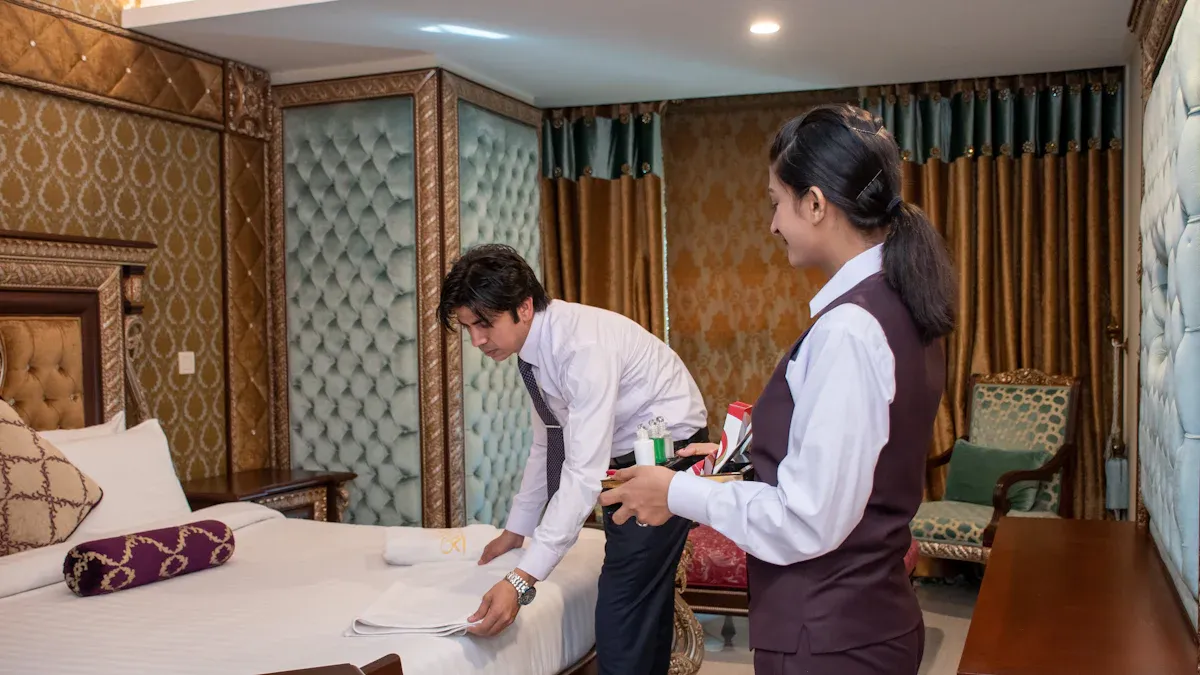
Defining Your Hotel Furniture Project Scope and Requirements
A successful partnership begins with a clear project scope. Project managers must define all requirements for their Hotel Furniture. This includes travel routes for installation, staff and equipment needed, and any special installation considerations. They also detail the nuances of each casegood’s design and installation training needs. Budgeting requires careful planning. FF&E costs cover non-permanently attached items like beds and desks. Allocate a reserve FF&E budget, starting at 2% of FF&E costs in the first year and increasing annually to 5%. Also, allocate 1% of a room’s product count for attic stock. Avoid common budgeting mistakes, such as underestimating Total Cost of Ownership (TCO) or neglecting ongoing maintenance. Important furniture specifications include adherence to AWI standards for wood product quality, an industry-standard 5-year warranty, and materials that balance budget, durability, and functionality. Ensure ADA compliance for bed height, entrances, and outlets. Design characteristics must address functionality, aesthetics, durability, and sustainability. For example, economic hotels prioritize efficient layouts and cost-effective materials, while luxury hotels focus on opulent, bespoke furniture.
Requesting and Comparing Manufacturer Portfolios for Hotel Furniture
After defining project needs, request and compare manufacturer portfolios. Evaluate each portfolio based on several key factors. Assess their commitment to quality, including adherence to product and material standards and after-sale quality checks. Look for a customer-centric approach, where manufacturers integrate client requirements and offer 3D visualization. Review their operational standards and use of international consultants for design innovation. An efficient manufacturer demonstrates expert craftsmanship and an organized approach. Seek manufacturers offering exclusive, unique designs, often utilizing imported wood materials and customized solutions. Finally, consider their pricing strategy. It should balance quality standards with customer requirements, offering an affordable solution.
Assessing Communication and Responsiveness for Hotel Furniture Projects
Effective communication is vital for a smooth project. Assess how quickly and thoroughly manufacturers respond to inquiries and issues. Evaluate the knowledge and helpfulness of their customer service team. Determine their agility in responding to changing needs or priorities. They should communicate proactively regarding any delays or disruptions. To establish a strong relationship, clearly articulate expectations upfront. Define a set of expectations, goals, and mutually agreed-upon tactics in writing. Establish regular communication channels with vendors. Be direct about who on your team vendors should communicate with. Proactively schedule regular progress meetings with decision-makers. Communicate proactively if things are not going as expected. Provide constructive feedback to vendors about any gaps in performance. Manufacturers should also provide a production timeline for input, drawing reviews, and progress feedback.
Reviewing Lead Times and Production Capacity for Hotel Furniture
Understanding a manufacturer’s lead times and production capacity is crucial for project planning. Custom furniture production requires specific timelines. Once an order for custom pieces is placed, the lead time is approximately 24 weeks. This extended period occurs because each item is custom-made, with work beginning after payment confirmation. While delays are uncommon, manufacturers notify customers if a delivery date needs adjustment. For custom hospitality furniture orders, the typical lead time from drawing approval to delivery is 8-10 weeks. This timeframe includes 3-4 weeks for component material lead times and the actual manufacturing process.
A manufacturer’s production capacity significantly impacts project success. Their ability to handle bulk orders without compromising quality is essential. Manufacturers must demonstrate capability to scale up production for large hotel projects. They implement strict quality control checks at every manufacturing stage. Manufacturers with integrated solutions often possess more mature production processes and project management systems. These systems are crucial for ensuring timely delivery. The capacity for large-scale production and on-time delivery is a key factor. Delays in furniture production can impact the entire project’s opening timeline.
Understanding Warranty and After-Sales Support for Hotel Furniture
Evaluating warranty terms and after-sales support is a critical step in selecting a manufacturer. Standard warranty terms for custom Hotel Furniture typically cover defects, damaged parts, repair, and replacement. They may also include on-site or factory service and freight charges. However, warranties generally do not apply to normal wear and tear or damage caused by misuse or improper handling. They also exclude damage from unsuitable environmental conditions or failure to complete manufacturer-recommended routine maintenance. Other exclusions often include consequential damages, warehousing/storage costs, and third-party maintenance.
A good contract warranty for custom hotel furniture typically lasts for a documented period. The industry standard is 5 years. These warranties protect against defects in materials and workmanship under normal use for each piece of furniture from the date of delivery. Some warranties may have limitations. These limitations include not covering certain damages, requiring the buyer to cover a portion of labor costs, or requiring payment for return shipping.
The ideal custom Hotel Furniture manufacturer aligns perfectly with your project’s unique demands, budget, and aesthetic goals. Prioritize manufacturers with a strong track record, clear communication, and a commitment to quality and sustainability. Carefully evaluating your options against key criteria secures a partnership. This partnership delivers exceptional results. It enhances your hotel’s guest experience.
FAQ
What is the typical lead time for custom hotel furniture?
Manufacturers typically require approximately 24 weeks for custom furniture orders. This timeframe allows for detailed design, material sourcing, and meticulous craftsmanship. For custom hospitality furniture, the lead time from drawing approval to delivery is usually 8-10 weeks.
How do manufacturers ensure quality and durability?
Manufacturers adhere to stringent industry standards like ANSI/BIFMA for durability and CAL 117-2013 for fire safety. They also follow ADA regulations for accessibility. Quality checks occur at every production stage. This ensures products meet high benchmarks for hotel environments.
Can manufacturers help with design and customization?
Yes, leading manufacturers offer extensive design flexibility. They provide customizable solutions aligning with diverse hotel styles and budgets. They work with clients to create unique pieces. This enhances both aesthetics and functionality across various hotel spaces.
What kind of after-sales support do manufacturers offer?
Manufacturers typically provide a standard 5-year warranty. This covers defects in materials and workmanship under normal use. They also offer support for damaged parts, repairs, and replacements. Warranties usually exclude normal wear and tear or misuse.
What sustainability certifications should I look for?
Look for certifications like FSC for responsibly managed wood products. E0 and CARB P2 indicate low formaldehyde emissions. Green building certifications such as LEED and BREEAM also guide material selection. These certifications demonstrate a commitment to eco-friendly practices.