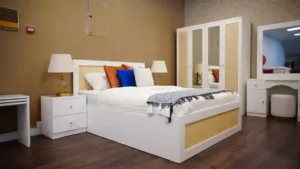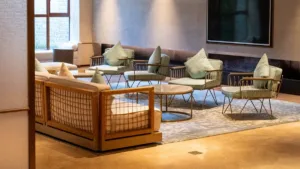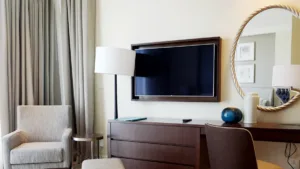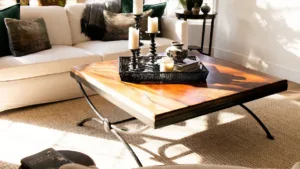
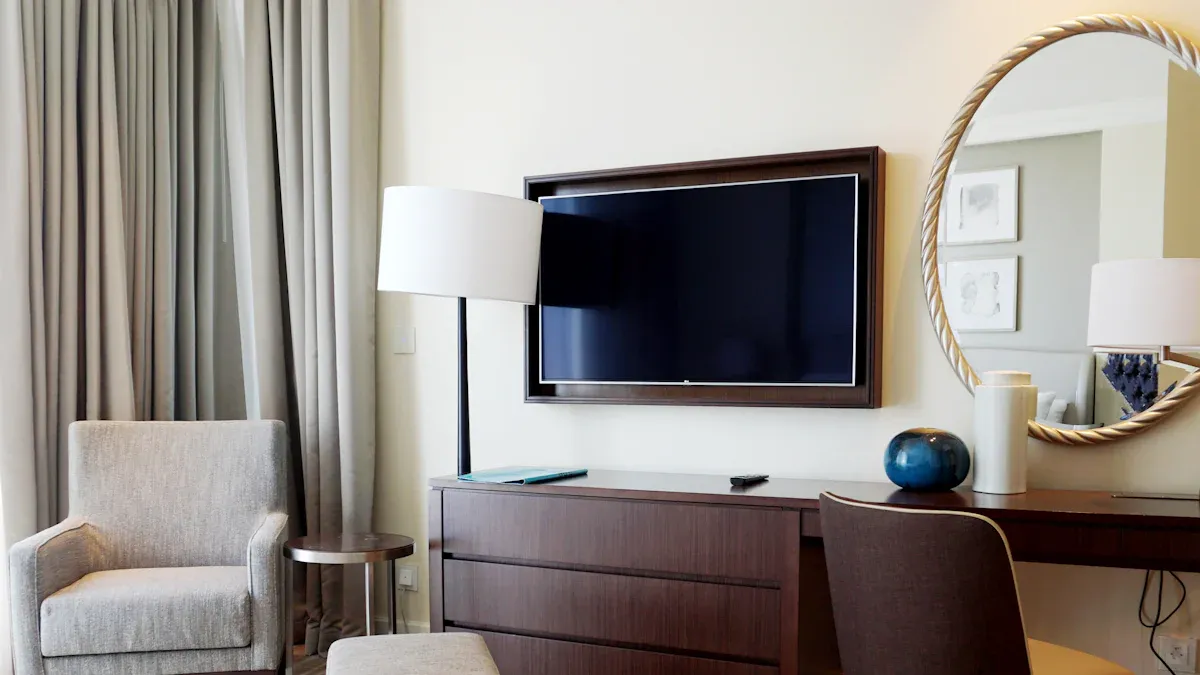
Custom hotel furniture can significantly enhance a hotel’s return on investment (ROI) when designed and executed with precision. Hotel managers often cite several reasons for choosing custom over standard options. These include:
- Quality: Custom pieces are crafted with attention to detail, ensuring durability amid high guest turnover.
- Durability: Well-made custom furniture lasts longer, minimizing the need for frequent replacements.
- Guest Experience: Unique designs improve aesthetics and comfort, leading to higher guest satisfaction and potentially increased bookings.
When conducting an ROI analysis for hotel furniture investments, the cost benefits of custom hotel furniture may outweigh initial investments, especially when considering long-term performance and sustainability. Additionally, hotel guestroom furniture choices that prioritize customization can lead to enhanced guest experiences. It’s also important to consider how do customization costs compare over time, as the long-term advantages often justify the upfront expenses.
Key Takeaways
- Custom hotel furniture enhances guest satisfaction, leading to positive reviews and increased bookings.
- Investing in quality custom pieces reduces long-term costs due to their durability and lower maintenance needs.
- Tailored designs optimize space and functionality, creating a more inviting atmosphere for guests.
- Custom furniture reinforces brand identity, helping hotels stand out in a competitive market.
- While initial costs may be higher, the long-term ROI from custom furniture often outweighs these expenses.
Custom vs. Standard Furniture
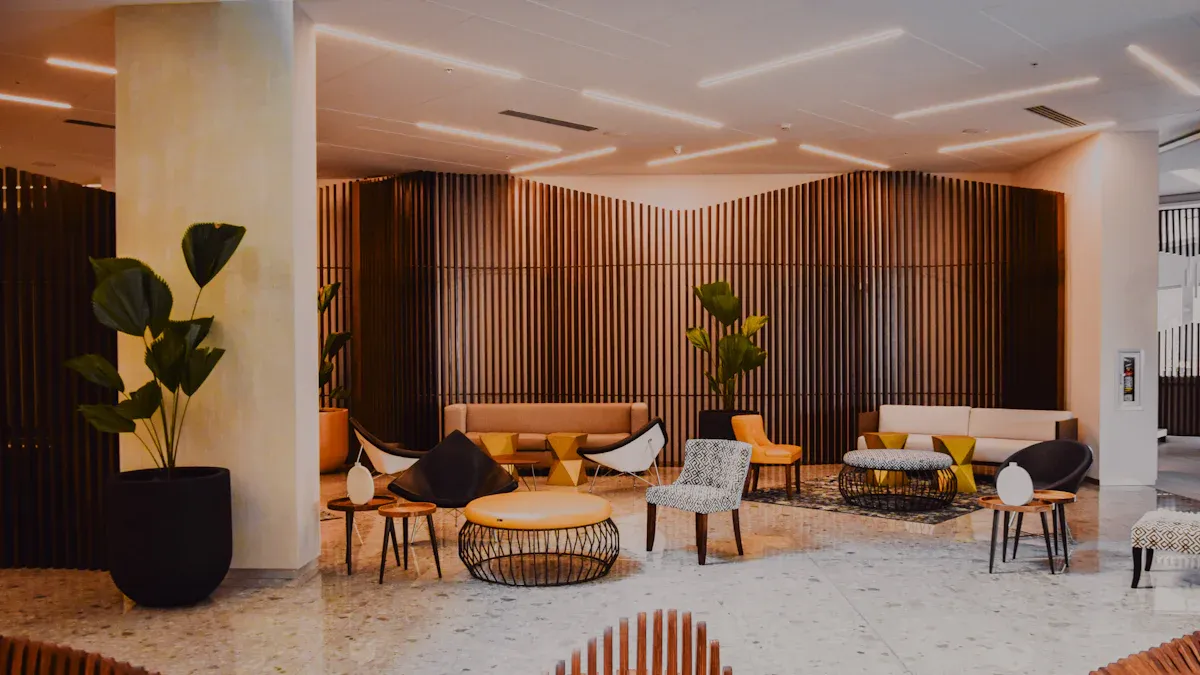
When comparing custom and standard hotel furniture, several key differences emerge. Custom furniture offers tailored solutions that align with a hotel’s brand identity and operational needs. In contrast, standard furniture typically features generic designs that lack personalization.
-
Cost Considerations:
- Investing in high-quality custom furniture may result in higher upfront costs but can reduce the need for frequent replacements.
- Standard furniture options may appear cheaper initially but could lead to higher long-term costs due to shorter life cycles, especially in high-traffic environments.
-
Material Quality:
- Custom hotel furniture often utilizes premium materials like wood veneer, which can lead to higher costs compared to standard options like laminate.
- While laminate is more cost-effective and suitable for high-traffic areas, veneer is preferred for luxury settings but incurs higher maintenance costs.
| Feature | Custom Hotel Furniture | Standard Hotel Furniture |
|---|---|---|
| Design | Tailored to brand identity and theme | Generic styles; limited customization |
| Room Fit | Optimized for specific dimensions | Pre-set dimensions; may require adaptation |
| Guest Comfort | Ergonomic design for superior experience | Basic comfort; may not meet premium expectations |
| Material Quality | Durable and premium materials | Moderate quality; mass-produced materials |
| Cost | Higher upfront cost; lower long-term maintenance | Lower initial cost; may require frequent replacement |
| Availability | Lead time depends on design and production | Immediate or short lead time; mass availability |
| Brand Impact | Reinforces brand identity and unique aesthetic | Limited contribution to brand differentiation |
| Maintenance | Reduced long-term repairs due to tailored durability | Easier replacement due to standardization |
Initial Costs vs. Long-Term ROI
Investing in custom hotel furniture often involves higher initial costs compared to standard options. However, the long-term return on investment (ROI) can make custom solutions more appealing. Here are several factors to consider when evaluating the financial implications of custom versus standard furniture:
-
Payback Period: The average payback period for custom hotel furniture investments typically ranges from 18 to 36 months. This timeframe is comparable to that of standard furniture investments. Both types can lead to increased revenue through enhanced guest satisfaction and higher nightly rates.
-
Renovation Impact: Well-planned renovations, which include custom furniture, often achieve a return on investment within 2–3 years. This improvement primarily stems from enhanced Average Daily Rate (ADR) and increased guest satisfaction.
-
Maintenance Costs: Custom hotel furniture, while initially more expensive, offers long-term cost savings due to its durability and lower maintenance needs. High-quality materials and finishes reduce wear and tear, contributing to lower maintenance costs compared to mass-produced alternatives. The craftsmanship and premium materials used in custom furniture enhance its longevity, reducing the frequency of repairs and replacements that standard furniture often requires.
-
Refurbishment Costs: Custom furniture is designed for durability and can lower refurbishment costs over a 7–15 year lifespan. In contrast, off-the-shelf options may need to be replaced sooner, leading to higher long-term expenses.
To better understand the financial models used by hotels to calculate ROI for custom furniture investments, consider the following table:
| Financial Model/Strategy | Description |
|---|---|
| Internal Rate of Return (IRR) | Set a minimum acceptable hurdle rate of 20% for any CapEx exceeding $50,000 to determine if the investment is justified. |
| Direct Tying of Assets to Revenue | Justify large expenditures by ensuring they are directly linked to revenue generation or operational savings. |
| Monitoring CapEx ROI | Establish clear ROI metrics for significant investments to ensure they generate measurable returns. |
Impact on Guest Experience with Custom Hotel Furniture
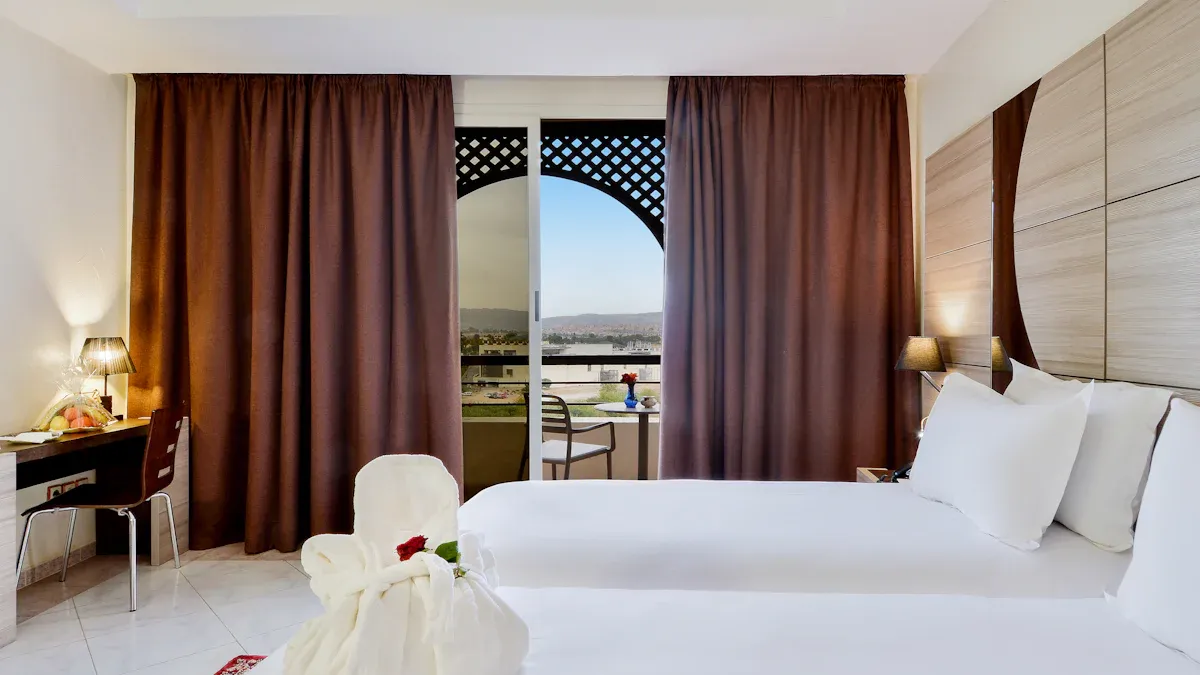
Custom hotel furniture plays a crucial role in shaping the guest experience. Thoughtfully designed pieces create an inviting atmosphere that resonates with visitors. Hotels that invest in custom furniture often see significant improvements in guest satisfaction, leading to positive online reviews and increased loyalty.
-
Immediate Comfort and Luxury: Guests appreciate the immediate comfort that well-designed custom furniture provides. This comfort translates into positive feelings, which often result in favorable online reviews. When guests feel relaxed and pampered, they are more likely to return and recommend the hotel to others.
-
Memorable Impressions: Custom furniture creates unique and memorable impressions. Personalized furnishings contribute to a distinctive ambiance that sets hotels apart from competitors. This uniqueness enhances the overall guest experience, making it more likely for guests to share their positive experiences online.
-
Enhanced Aesthetics: The aesthetic appeal of custom hotel furniture attracts potential guests. A visually appealing environment can boost occupancy rates, as guests are drawn to hotels that reflect their style and preferences.
To further illustrate guest preferences regarding hotel furniture design, consider the following table:
| Guest Preference | Description |
|---|---|
| Integration of technology | Guests expect smart features like built-in charging ports and customizable settings in furniture. |
| Use of natural materials | Biophilic designs using materials like wood and stone promote well-being and environmental connection. |
| Customization | Unique, one-of-a-kind furniture that reflects the hotel’s theme enhances guest experience. |
| Importance of functionality | Furniture must be comfortable and durable, balancing style with practicality for lasting impressions. |
Durability and Maintenance of Custom Furniture
Custom hotel furniture offers significant advantages in durability and maintenance compared to standard options. With proper care, custom pieces can last 10-15+ years, while standard furniture typically endures for 7-10 years. Low-quality standard options may only last 3-5 years. The superior construction techniques and materials used in custom furniture enhance its ability to withstand the rigors of high-traffic environments.
Tip: Selecting durable materials such as wood, metal, and high-quality upholstery is crucial. These materials must endure heavy use and frequent wear and tear.
Common maintenance issues for custom hotel furniture include:
- Damage from spills
- Loose screws
- The need for regular inspections to prevent further deterioration
To maintain custom furniture effectively, hotel staff should follow these essential practices:
- Dusting and surface wiping
- Spot cleaning spills promptly
- Inspecting for damage regularly
Regular maintenance helps identify issues early, preventing further damage and extending the furniture’s lifespan. Custom furniture often comes with warranty periods ranging from 1 to 5 years for most components. Some manufacturers may offer extended warranties, sometimes up to 10 years, specifically for structural integrity. This indicates a higher confidence in the build quality of custom pieces compared to standard furniture, which typically has similar warranty coverage but may lack additional terms based on specifications and materials used.
Space Efficiency and Design Flexibility
Custom hotel furniture significantly enhances space efficiency and design flexibility, allowing hotels to maximize their available areas. Tailored solutions enable hotels to create multifunctional pieces that improve usability and comfort. For example, beds with built-in storage or fold-out desks can free up floor space, making rooms feel more inviting.
Here are some key benefits of custom furniture designs:
| Benefit | Description |
|---|---|
| Maximized Room Utilization | Efficient layouts allow for more rooms or amenities within the same space. |
| Enhanced Guest Experience | Well-designed spaces contribute to a comfortable and functional environment. |
| Operational Efficiency | Streamlined layouts facilitate housekeeping and maintenance tasks. |
| Comfort | Providing ample space for relaxation and movement. |
| Functionality | Offering practical solutions like built-in storage and multi-purpose furniture. |
| Aesthetics | Creating a visually appealing environment that reflects the hotel’s style. |
Custom furniture optimizes every inch of limited space. It allows for multifunctional designs, such as desks that double as vanity tables. Tailored solutions improve guest comfort and enhance the overall experience.
Flexibility in design is another advantage of custom furniture. Hotels can choose from various features that cater to their specific needs:
| Feature | Description |
|---|---|
| Bespoke Designs | Unique shapes, sizes, and fabric patterns tailored to hotel branding needs. |
| Modular Furniture | Adaptable designs that can be reconfigured to meet changing space requirements. |
| Custom Dimensions | Ability to adjust dimensions to fit specific hotel layouts and aesthetics. |
| Material Customization | Options for various materials, including high-performance fabrics and finishes. |
| Branding Integrations | Custom logos and colors to enhance brand identity in furniture design. |
By investing in custom furniture, hotels can create spaces that not only meet their operational needs but also provide an exceptional experience for guests.
When to Choose Standard Furniture
Hotels may opt for standard furniture in several scenarios. Understanding these situations can help hotel operators make informed decisions that align with their operational needs and budget constraints. Here are some common reasons for choosing standard furniture:
| Scenario | Reason |
|---|---|
| Budget Constraints | Standard furniture is mass-produced, making it more affordable for projects with financial limits. |
| Fast Project Timelines | Standard options are readily available, allowing for quicker procurement and installation. |
| Consistency Across Properties | Ensures a uniform look and feel, reinforcing brand identity across multiple hotel locations. |
Standard furniture often provides significant cost-saving benefits. Regular maintenance can extend the lifespan of these pieces, reducing the need for replacements. Hotels can avoid unnecessary spending by maintaining existing furniture, which contributes to positive guest feedback and a luxurious ambiance.
| Benefit | Description |
|---|---|
| Extended Lifespan | Regular touch-ups prolong the usability of furniture, reducing the need for replacements. |
| Reduced Replacement Costs | By maintaining existing furniture, hotels can avoid unnecessary spending on new furnishings. |
| Enhanced Guest Satisfaction | Well-maintained furniture contributes to positive guest feedback and a luxurious ambiance. |
Additionally, standard furniture typically has shorter lead times compared to custom options. For instance, standard hotel furniture usually takes about 8 weeks from design approval to completion. In contrast, custom furniture orders can range from 12 to 16 weeks, depending on complexity and quantity. This quicker turnaround can be crucial for hotels needing to furnish spaces rapidly.
Practical Checklist for Decision-Making on Custom Hotel Furniture
When deciding on custom hotel furniture, hotel managers should consider several critical factors. A practical checklist can streamline this decision-making process and ensure that investments align with the hotel’s goals. Here are essential criteria to evaluate:
- Tailored Design: Ensure the furniture meets specific property needs. Custom designs should reflect the hotel’s unique identity and operational requirements.
- Maximized Space: Assess how furniture can enhance functionality and optimize available space. Consider multifunctional pieces that serve more than one purpose.
- Guest Experience: Prioritize designs that enhance comfort and aesthetics. A positive guest experience can lead to higher satisfaction and repeat bookings.
- Cohesive Aesthetic: Maintain a consistent look throughout the hotel. This cohesion reinforces brand identity and creates a welcoming atmosphere.
To further assist in the decision-making process, consider the following table of important factors:
| Factor | Description |
|---|---|
| Quality Control | Ensures furniture meets industry standards and enhances guest experience. |
| Material Selection | Choosing high-quality materials for durability and longevity. |
| Durability | Checking for material strength and longevity. |
| Aesthetic Appeal | Ensuring furniture complements the hotel’s theme. |
| Functionality | Confirming that furniture serves its intended purpose. |
| Safety Standards | Ensuring no sharp edges, loose parts, or weak joints. |
| Brand Consistency | Maintaining a cohesive guest experience through consistent style and design. |
| Budget Considerations | Establishing a realistic budget and prioritizing spending. |
Hotel brands often analyze the ROI of furniture selections by assessing their impact on key performance indicators, such as guest satisfaction and revenue per available space. They utilize lifecycle cost analysis to ensure that initial costs yield long-term financial returns.
By following this checklist, hotel managers can make informed decisions that enhance both guest experience and operational efficiency.
Custom hotel furniture serves as a strategic investment for hotels, enhancing guest experience and maximizing ROI. High-end hotels that invest in custom furniture often see a 20% increase in positive reviews related to comfort. Unique styles help boutique hotels differentiate themselves, reinforcing brand identity. Additionally, well-coordinated furniture layouts create a relaxing ambiance, positively affecting guest satisfaction.
Investing in quality furniture not only reduces long-term costs but also strengthens the brand image. This commitment to excellence can lead to higher room rates and increased guest loyalty, making custom hotel furniture a valuable asset for any hotel.
FAQ
What are the main benefits of custom hotel furniture?
Custom hotel furniture enhances brand identity, improves guest comfort, and increases durability. Tailored designs optimize space and functionality, leading to a better overall guest experience and potentially higher occupancy rates.
How long does custom furniture typically last?
Custom furniture can last between 10 to 15 years with proper maintenance. In contrast, standard furniture often requires replacement within 3 to 10 years, making custom options a more sustainable investment.
Is custom furniture worth the initial investment?
Yes, custom furniture often yields a higher return on investment (ROI) over time. While initial costs are higher, durability and enhanced guest experiences lead to increased revenue and lower long-term maintenance costs.
How can hotels maintain custom furniture?
Hotels should regularly dust and wipe surfaces, promptly address spills, and conduct routine inspections. Following these practices helps extend the lifespan of custom furniture and maintains its appearance.
When should hotels consider standard furniture?
Hotels may choose standard furniture when facing budget constraints, needing quick procurement, or requiring consistency across multiple properties. Standard options can provide immediate solutions without compromising basic functionality.