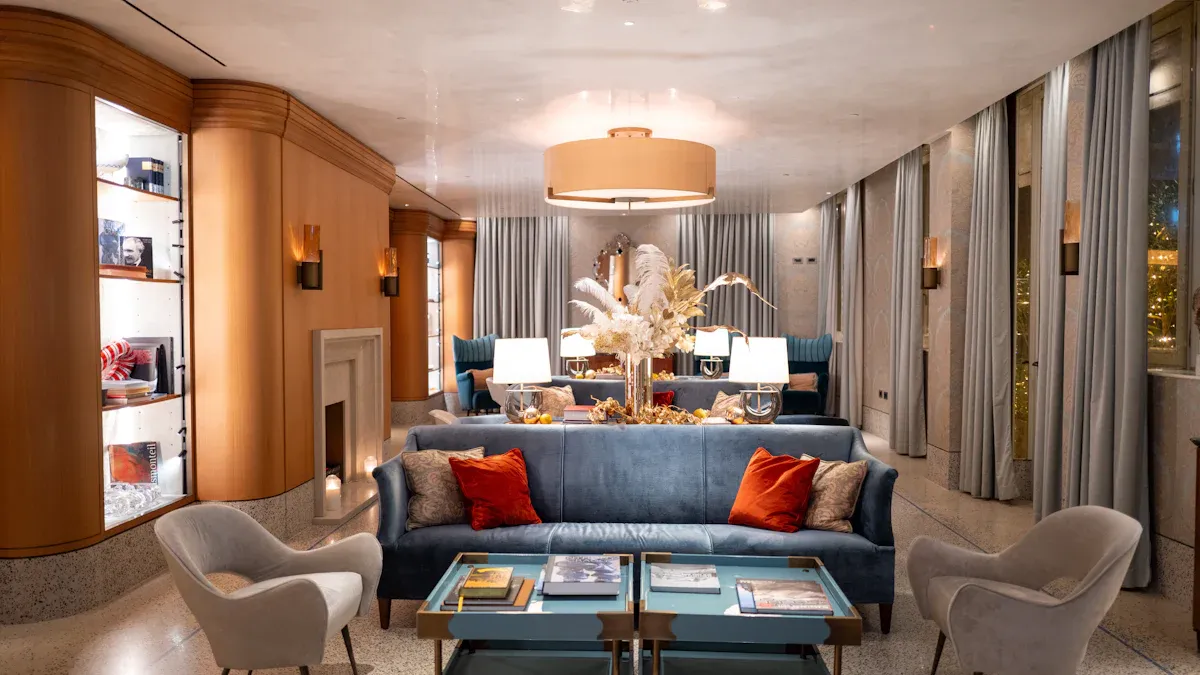
Custom Hotel Furniture truly excels in luxury hotel projects, offering unmatched design flexibility and superior quality. This bespoke approach crafts unique, memorable guest experiences that perfectly align with a hotel’s brand identity and aesthetic. Custom Hotel Furniture also ensures optimal space utilization, effectively addressing specific design challenges. Understanding What Custom Furniture Works Best for Luxury Hotel Projects involves selecting pieces that reflect exclusivity. A reliable Hotel Furniture ODM Service provides exceptional Custom Furniture for Hotel Projects, ensuring every custom hotel furniture piece contributes to the overall luxury.
Key Takeaways
- Custom furniture helps luxury hotels create unique and memorable guest experiences. It matches the hotel’s brand and style.
- Custom furniture is better than standard options for high-end hotels. It lasts longer and makes guests happier.
- Hotels use custom furniture in many areas, like guest rooms, lobbies, and restaurants. This makes each space special and comfortable.
- When choosing custom furniture, hotels think about strong materials, guest comfort, and how well it fits the hotel’s look. They also consider smart technology and how long the furniture will last.
- The process of getting custom furniture involves working with designers and good manufacturers. It also includes checking quality and managing the project well.
The Indispensable Role of Custom Hotel Furniture in Luxury Settings
Defining Luxury Through Bespoke Design
Bespoke design is crucial for defining luxury in hotel environments. Aditi Dugar, Co-founder and Director of Urban Gourmet India, notes that exclusivity in site-specific environments taps into core human emotions like privilege and uniqueness. This fosters a stronger emotional connection with the space. Shreya Srivastava, Founder of Principal Architect of Studio Shunya, emphasizes that bespoke design ensures no two rooms are identical. It uses handcrafted elements and locally sourced materials to reflect a place’s unique character. This transforms a simple stay into a profoundly personal and memorable experience. Raghav Priyadarshi, Managing Director of The Kumaon, highlights that bespoke design creates meaningful experiences. It immerses travelers in the essence of a place, aligning with their desire for comfort, engagement, and connection to surroundings. Incorporating bespoke elements, such as custom-fabricated furniture, commissioned artwork, or tailored finishes, is key to creating unique and memorable hotel spaces. These elements add character and individuality, resonating deeply with guests by reflecting the property’s brand and authentically connecting with the surrounding culture and lifestyle. Collaborating with local artisans to create custom works that narrate the region’s story adds an exclusive layer, making the space feel distinctive and special.
Why Custom Outperforms Standard for High-End Projects
Custom furniture consistently outperforms standard options for high-end projects. Bespoke furniture integrates branded elements like logos, signature colors, and themed aesthetics. This creates a cohesive and high-end look, differentiating the hotel from competitors. Luxury hotel furniture features ergonomic designs and is tailor-made to match room layouts. This ensures maximum comfort and seamless functionality for guests. Custom furniture, including modular pieces, built-in storage, and multi-purpose furnishings, maximizes room efficiency without compromising style or comfort. This is especially true in limited spaces. Unlike mass-produced items, high-end custom furnishings are built with premium materials like solid wood, metal accents, and quality upholstery. They undergo strict quality control, ensuring an extended lifespan and reducing replacement costs. Custom furniture solutions often align with eco-conscious trends by utilizing reclaimed wood, recycled fabrics, and non-toxic finishes. This promotes environmental responsibility and enhances the hotel’s green image. Bespoke furnishings create a sophisticated, upscale atmosphere and a visually appealing environment, leaving a memorable impression on guests through personalized designs.
Key Benefits: Brand Cohesion, Durability, and Guest Satisfaction
Custom furniture offers significant benefits, including strong brand cohesion, superior durability, and enhanced guest satisfaction. Investing in custom furniture allows hotels to select materials and finishes designed to endure heavy use for many years. This expert craftsmanship ensures longevity, maintaining appearance and functionality. It ultimately leads to long-term cost savings by reducing the need for frequent replacements. Custom furniture, made with high-quality materials and skilled artistry, is built to withstand daily wear and tear. This durability significantly reduces the need for frequent replacements, resulting in substantial cost savings over time. Custom modular and multifunctional furniture optimizes space utilization and minimizes the need for additional furnishings. This adaptability allows for flexible room layouts and serves multiple purposes, providing a functional guest experience while optimizing investment. Customized furniture significantly boosts guest satisfaction, with research indicating a 35% improvement. Hotels that adopt custom furnishings report a a 27% increase in guest satisfaction compared to those using standard options. This enhanced satisfaction translates into financial benefits, as loyal customers can be worth up to 10 times their initial purchase. Custom furniture helps address modern traveler preferences, with 78% of millennials prioritizing experiences over material goods. A New York boutique hotel experienced a 15% rise in positive reviews after upgrading with custom high-back chairs and plush sofas. This enhanced satisfaction directly contributes to a stronger digital presence and drives bookings. Luxury guests expect exceptional comfort, which custom furniture provides through ergonomic designs, plush cushions, and soft-touch textiles. This attention to detail ensures comfort is engineered and perfected, forming the foundation of guest satisfaction. Custom Hotel Furniture also communicates a hotel’s brand personality, creating a consistent and unforgettable identity through tailored pieces in various spaces. These elements contribute to memorable experiences, turning a stay into a lasting memory and a reason for guests to return.
Top Custom Hotel Furniture Categories for Elevated Spaces
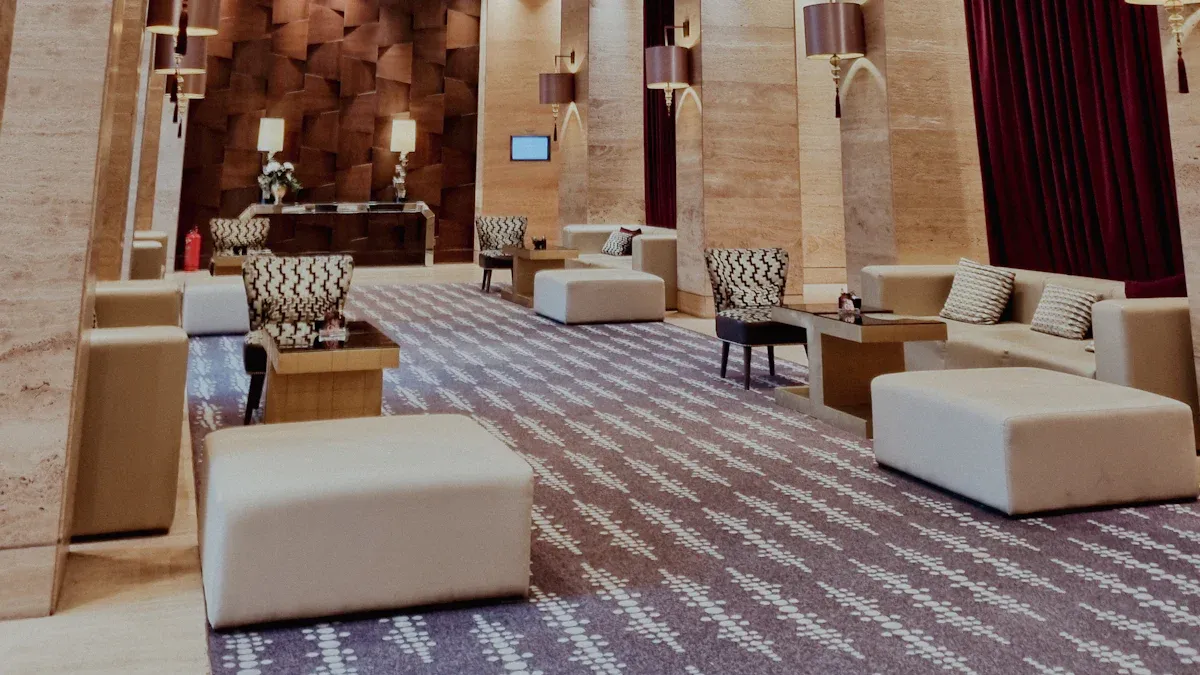
Guest Rooms & Suites: Crafting Personalized Sanctuaries with Custom Hotel Furniture
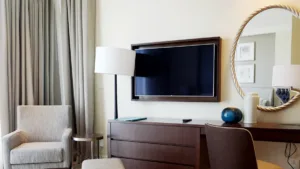
Luxury hotel guest rooms and suites require furniture that offers both comfort and a unique aesthetic. Custom pieces transform these spaces into personalized sanctuaries for guests. Hotels commonly specify custom tables, often round or oval, which provide elegant and convenient surfaces for coffee or breakfast. Desks are also essential, particularly for business travelers, offering ample space for work with papers and laptops. Designers often include custom chairs and sofas, creating unique designs that reflect the hotel’s luxury status. TV unit furniture frequently combines with other pieces like dressers or cabinets, forming multi-functional entertainment centers. Beyond these, custom furniture for guest rooms includes ergonomic beds, which provide proper support for a restful sleep. Headboards often reflect local art or the hotel’s brand story, adding a distinctive touch. Nightstands are sized precisely for compact rooms, maximizing utility without clutter. Wardrobes feature built-in storage solutions, and desks can cleverly act as vanities, offering versatility. This meticulous attention to detail ensures every element contributes to a cohesive and luxurious guest experience.
Lobby & Public Areas: Making Grand First Impressions
The lobby and public areas serve as the hotel’s face, making grand first impressions crucial. Custom furniture plays a vital role in shaping these spaces. Current design trends for luxury hotel lobbies emphasize flexibility and multi-functional spaces. Adaptive interiors feature modular furniture and movable partitions, allowing areas to serve various purposes, such as social gatherings, work sessions, or quiet retreats. This includes convertible chairs, foldable tables, and reconfigurable storage, optimizing functionality and spatial efficiency. Bold aesthetics, often described as maximalism with purpose, integrate rich colors, layered textures, and striking statement pieces. This creates immersive and memorable interiors through statement furniture, mixed textures, jewel tones, curated vintage and modern combinations, and bold lighting with sculptural elements. Modern luxury blends effortless elegance with technology, incorporating sculptural forms, layered textures, and jewel-toned accents for sophistication. Smart furniture with integrated technology provides convenience. Local cultural integration tells a story through design, using local craftsmanship in furniture, regionally inspired color palettes, and integrating storytelling into lobby layouts. Biophilic design extends beyond plants, incorporating natural materials like wood, stone, and rattan, along with organic shapes, to reduce stress and improve guest well-being. Modular and flexible furniture allows easy reconfiguration, adapting to different uses and events, which aligns with the need for versatile spaces in hotel lobbies.
Restaurants & Bars: Enhancing Dining and Social Experiences
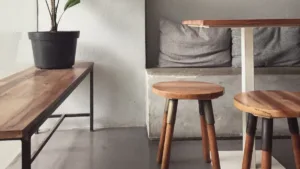
Custom furniture significantly enhances the ambiance and functionality of luxury hotel restaurants and bars. It ensures every piece complements the hotel’s theme and overall design, creating an unmatched aesthetic appeal and unique atmosphere. Custom designs prioritize ergonomic principles, providing perfectly crafted seating arrangements that improve relaxation and usability. This meets the unique needs of hotel spaces. Bespoke furniture, with custom upholstery, carvings, and color schemes, helps establish a unique brand identity, supporting the hotel’s image. Custom furniture is designed to maximize space and seamlessly integrate into various hotel areas, including restaurants and lounges. This leads to a more spacious and elegant environment. Specifically, custom dining tables and upholstered bar stools create a stylish and inviting atmosphere. Custom furniture allows hotels to design pieces that reflect their brand’s personality and values, making a lasting impression on guests. Custom banquettes, tables, and bar setups can maximize seating capacity without making the space feel cramped, improving functionality and flow. This enhances the guest experience and optimizes space. Custom furniture prioritizes both style and comfort, incorporating ergonomic elements and quality materials to ensure guests feel at ease. Unique, well-designed spaces created with Custom Hotel Furniture leave a lasting impression and encourage positive word-of-mouth.
Spas & Wellness Centers: Promoting Serenity and Comfort
Luxury hotel spas and wellness centers require an environment that immediately conveys tranquility and comfort. Custom furniture plays a pivotal role in achieving this serene atmosphere, transforming these spaces into havens of relaxation. Designers carefully select and craft each piece to enhance the guest’s journey towards well-being. A custom spa treatment room furniture set, for instance, is engineered specifically for comfort, tranquility, and luxury. It ensures guests feel completely at ease during their treatments.
Premium ambient lighting systems are integral for creating a serene and transformative guest experience. These systems allow precise control over light intensity and color, setting the perfect mood for various treatments or relaxation areas. Minimalist soft furnishings further contribute to a luxurious and calming aesthetic without overwhelming the space. They provide comfort and visual softness, maintaining a clean and uncluttered look essential for serenity.
In wellness areas like yoga studios, custom-designed yoga mats are essential for comfort and a personalized touch. These mats can feature the hotel’s branding or unique patterns, enhancing the overall luxury experience. Ergonomic seating provides comfort and supports relaxation in all wellness spaces, from waiting areas to post-treatment lounges. Guests can unwind fully in chairs and benches designed for optimal posture and support. Built-in storage and lockers offer functionality and maintain a clutter-free, serene environment. They keep personal belongings secure and out of sight, contributing to a peaceful and organized space. Ambient lighting remains crucial for setting a calming and transformative mood in both yoga studios and treatment rooms. It guides guests through their wellness journey, creating an immersive and soothing experience.
Specific Custom Hotel Furniture Pieces That Elevate Luxury
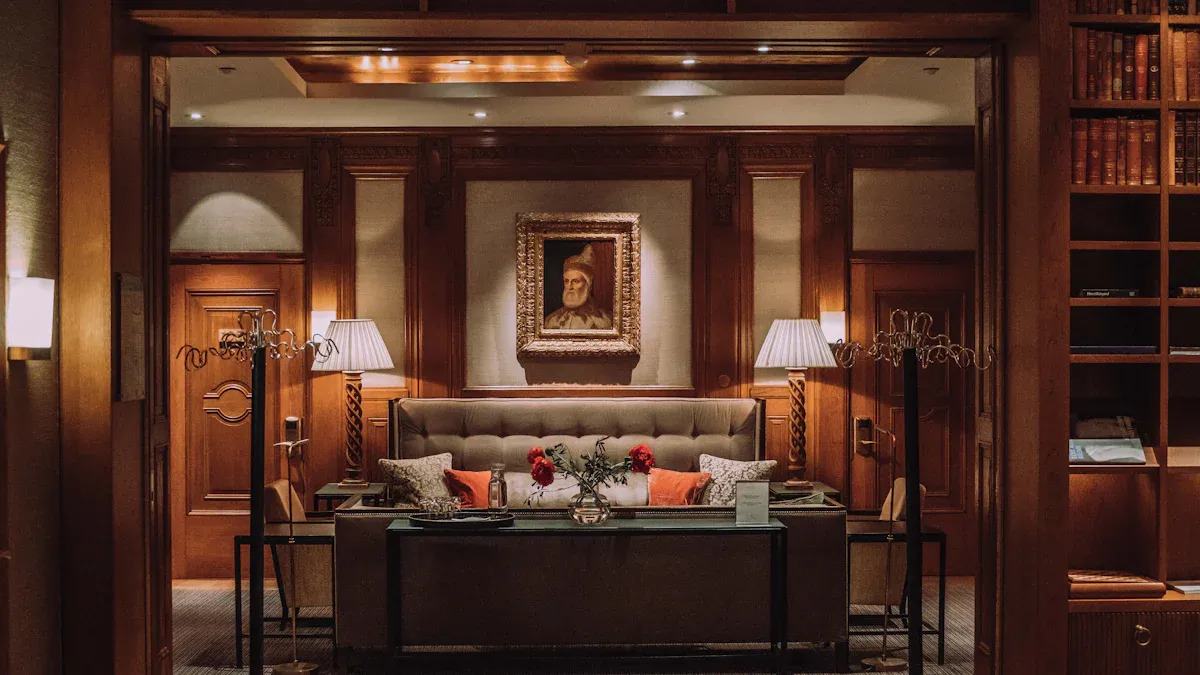
Luxury hotels distinguish themselves through meticulous attention to detail. Custom furniture pieces play a crucial role in creating an exclusive and memorable guest experience. These bespoke items elevate both the aesthetics and functionality of a space.
Bespoke Headboards and Bed Frames: The Room’s Focal Point
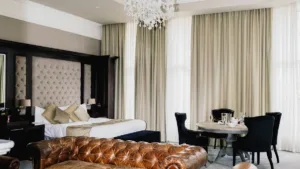
Bespoke headboards and bed frames serve as the undeniable focal point in any luxury hotel guest room. They immediately draw the eye and set the tone for the entire space. Designers frequently use a variety of materials for these essential pieces. These materials include upholstered fabric, rich wood, supple leather, and padded panels. Brass and other metals also add sophisticated accents.
Modern design trends for luxury headboards often feature wall-to-wall upholstered panels. These panels create a grand, enveloping feel. Integrated lighting within the headboard provides ambient illumination and enhances functionality. Hotels also prioritize sustainable materials in their headboard designs. Multi-functional headboards offer built-in storage or integrated tech features, adding convenience for guests.
Upholstered headboards are particularly popular. They provide comfort and support, preventing guests from hitting hard walls. They also offer a comfortable backrest for activities like reading or watching television. These headboards act as a key decorative element. They define the guestroom’s style, whether contemporary, neoclassic, or art deco. Some headboards include integrated features such as electric switches for room lights. They also protect walls from damage, ensuring longevity.
For bed bases, wood remains a primary material. Its structural strength and warm aesthetic are highly valued. Metal accents are sometimes incorporated to enhance the design appeal. The bed base’s design is crucial for stable mattress support, ensuring a restful sleep. Common base materials include MDF, plywood, and particleboard. Headboards can be either upholstered or non-upholstered. Manufacturers often use premium materials like solid woods, veneers, and resilient fabrics. Options range from traditional mahogany beds with tufted headboards to sleek, minimalist contemporary platforms. Each choice reflects the hotel’s unique brand identity and theme.
Custom Seating: Sofas, Armchairs, and Benches for Ultimate Comfort
Custom seating options, such as sofas, armchairs, and benches, provide ultimate comfort and enhance the luxurious feel of hotel spaces. Ergonomics are paramount when designing these pieces for luxury hotel guests. Furniture should adapt to the guest, not the other way around. This approach prioritizes comfort, support, and ease of use. Designs should allow guests to tailor their surroundings to individual needs. Seating must also be easily usable by all guests, ensuring accessibility. Safety is another critical consideration; the design should prevent any potential hazards.
Designers rigorously test custom seating prototypes. They sit in each prototype for several minutes to assess comfort beyond initial impressions. They also evaluate the ease of transitioning from a sitting to a standing position. This is crucial for accessibility and guest convenience.
Key ergonomic features are essential for luxury hotel seating. Padded seats offer maximum comfort during extended use. Lumbar support helps maintain good posture and prevents lower back strain. Adjustable heights accommodate guests of varying body types. Adjustable armrests provide additional comfort and support for arms and shoulders. Durability and ease of cleaning are also vital for hotel environments with frequent use. These elements ensure that Custom Hotel Furniture provides both luxury and practicality.
Tailored Casegoods: Dressers, Nightstands, and Consoles with Integrated Features
Tailored casegoods, including dressers, nightstands, and consoles, offer more than just storage in luxury hotel rooms. They integrate seamlessly into the room’s design while providing advanced functionality. These pieces often feature integrated technologies to enhance the guest experience.
Hotels frequently incorporate built-in USB ports and charging stations into these casegoods. This allows guests to conveniently power their devices. Wireless charging pads offer an even more seamless charging experience. Smart storage solutions maximize space and organization. Data access points provide easy connectivity. Touch controls offer intuitive operation for various features. Cable management systems keep cords tidy and out of sight. Smart locks can secure personal belongings within drawers or compartments. These technology-integrated furnishings facilitate seamless device charging and usage for guests, blending convenience with sophisticated design.
Unique Tables: Coffee Tables, Dining Tables, and Side Tables as Art Pieces
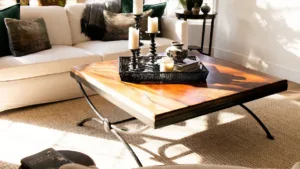
Unique tables, including coffee tables, dining tables, and side tables, transcend their functional roles in luxury hotels. They become art pieces, defining the aesthetic and enhancing the guest experience. Designers often select materials like polished marble, exotic wood veneers, or intricate metalwork for these custom pieces. Each material choice contributes to the table’s artistic appeal and the room’s overall ambiance. For instance, a large, sculptural coffee table can anchor a lounge area, inviting guests to gather. A sleek, minimalist dining table in a suite offers both practicality and a sophisticated design statement. Side tables, though smaller, provide opportunities for unique shapes, textures, and integrated lighting, adding subtle luxury.
Custom tables also allow for innovative designs that reflect the hotel’s brand story or local culture. Artisans might incorporate regional motifs into the tabletop inlay or carve intricate details into the base. Some tables feature integrated technology, such as hidden charging ports or touch-sensitive surfaces, blending modern convenience with artistic form. These bespoke elements ensure that every table is not just a surface but a carefully curated object that contributes to the hotel’s distinctive identity. They elevate the space, making it memorable and visually engaging for every guest.
Integrated Millwork and Cabinetry: Seamless Design and Functionality
Integrated millwork and cabinetry offer seamless design and functionality within luxury hotel interiors. This bespoke approach creates cohesive and sophisticated spaces. Millwork, such as a custom reception desk or an artful wood-clad focal wall, makes a strong first impression. It creates an emotional and visual impact immediately. Guests understand they are in a place where design matters, even before they step closer.
Custom millwork seamlessly fuses form and function. It provides practical solutions like built-in storage, guestroom built-ins, or accent zone dividers without sacrificing aesthetic integrity. This sets functional expectations precisely where guests need them most. Millwork tools finesse the hotel’s brand narrative. This happens through regionally inspired carvings or subtle brand embossing. These touches become architectural features, reinforcing the hotel’s identity. Millwork crafted with superior materials withstands wear. This means fewer changes and fresher appearances over time. It ensures durability in high-traffic spaces.
Luxury hotels utilize integrated millwork in various ways. Elegant reception zones feature warmly stained millwork desks with integrated media panels for branded storytelling. Guest rooms showcase statement pieces like headboards or vanity surrounds, complemented by luxury linens and guest accessories. Smart built-ins include custom cabinetry in modular kitchenettes, providing both storage and style. Millwork elements also carve out quiet, cozy moments in public areas, creating stylish dividers and nooks. This comprehensive integration ensures every element works together, creating a harmonious and highly functional environment.
Key Considerations for Selecting Custom Hotel Furniture
Selecting custom furniture for luxury hotel projects requires careful consideration of several critical factors. These factors ensure the furniture meets high standards for quality, guest satisfaction, and brand alignment.
Material Selection: Durability, Aesthetics, and Sustainability
Material selection forms the foundation of any custom furniture piece. It directly impacts durability, aesthetic appeal, and environmental responsibility. Hoteliers often choose wood for its timeless quality and warmth. Hardwoods like oak, cherry, mahogany, and maple are particularly durable. They withstand daily wear and add elegance to any space. Metal offers a sleek, modern, and robust option. Stainless steel, aluminum, and iron are popular choices. They resist rust and corrosion and require low maintenance. Upholstery adds comfort and style. Fabrics such as velvet, leather, and linen provide a luxurious feel. Synthetic materials like polyester and microfiber offer stain resistance and easy maintenance. Specialized fabrics like Crypton and Sunbrella are known for their stain-resistant and easy-to-clean properties. Glass adds sophistication and transparency, often appearing in tables and shelves. Plastic, lightweight and affordable, works well for outdoor furniture or high-traffic areas. Composite materials like MDF and plywood balance affordability with durability.
Sustainability has become a crucial aspect of material selection. Many hotels now prioritize eco-friendly options.
- Organic fabrics, including cotton, wool, silk, and hemp, come from eco-friendly farming. They avoid harmful chemicals and non-biodegradable coatings, minimizing environmental impact.
- Bamboo is a highly sustainable material. It grows rapidly, regenerates itself, and offers strength comparable to steel when processed.
- Sustainable wood comes from forests certified by organizations like the Forest Stewardship Council (FSC). This ensures responsible harvesting and tree replacement. Common sustainable woods include pine, oak, maple, and white ash. Veneers often reduce environmental impact while maintaining aesthetics.
- Cork, a renewable resource from bark, is lightweight, soft, and durable. It insulates heat and sound effectively. Designers integrate cork into headboards, end tables, nightstands, chairs, and benches.
- Reclaimed materials involve upcycling items destined for landfills. This gives them a second life. Unfinished wood, metals (aluminum, steel, copper), glass, ceramics, and stone are repurposed into new products.
- Stone, especially natural stone, is sustainable. It occurs naturally, contains no harmful chemicals, and requires less water for processing. It also lasts longer than concrete or glass and needs less maintenance. Organizations like the Natural Stone Council (NSC) certify its sustainability. Marble, granite, quartz, and limestone are common stone materials in hospitality furniture.
For example, the VANK_LORIA chairs offer an eco-friendly option for hotel rooms. They consist of 50% recycled industrial plastic waste and 50% consumer waste. These chairs are UV-resistant, retain their color for many years, and suit both indoor and outdoor use.
Ergonomics and Comfort: Prioritizing Guest Experience
Ergonomics and comfort are paramount in custom hotel furniture design. They directly impact the guest experience. Furniture should adapt to the guest, not the other way around. This approach prioritizes comfort, support, and ease of use. Designs ensure easy use for all guests, promoting accessibility. Safety is also a critical consideration. Designs prevent potential hazards.
Designers follow key ergonomic principles:
| Ergonomic Design Principle | Description |
|---|---|
| Comfort | Provides proper support to reduce strain on the body |
| Functionality | Serves clear purposes and supports guest activities |
| Flexibility | Adapts to various guest preferences and needs |
| Accessibility | Caters to all guests, regardless of physical ability |
Specific furniture pieces benefit from ergonomic considerations. Beds focus on mattress support and quality, adjustable headboards, and a variety of pillow options. Seating includes desk chairs with lumbar support, lounge chairs with appropriate seat depth, and ottomans for leg support. Workspaces feature correct desk height and clearance, good lighting, and convenient power outlets. Storage solutions incorporate easy-to-reach closets, luggage racks at the right height, and smooth-gliding drawers.
Different hotel areas also require specific ergonomic considerations:
| Area | Seating | Tables | Lighting |
|---|---|---|---|
| Lobby | Lounge chairs with soft cushions and supportive backs | Coffee tables at comfortable heights for drinks or reading | Warm, layered lighting for an inviting first impression |
| Dining Area | Chairs with comfortable backs for relaxed meals | Sturdy tables with smooth edges, spaced for easy movement | Balanced lighting that creates a cozy dining atmosphere |
| Conference Rooms | Adjustable chairs with proper back support for long sessions | Work desks or meeting tables with ample surface area | Adjustable lighting to support presentations or collaboration |
Designers also focus on broader room ergonomics. They optimize space, balancing openness and functionality. They place furniture for convenience and ease of movement. Adjustable lighting provides options for various tasks and moods. Accessible amenities, like power outlets and light switches, are within easy reach. Rooms adapt to diverse guest preferences. Minimal clutter promotes relaxation and focus.
Design Integration: Harmonizing with Overall Hotel Theme
Custom furniture allows hotels to achieve a distinctive and cohesive aesthetic. It reflects their unique brand identity. This approach enables custom furniture to become an important storytelling element. It contributes to a captivating narrative that resonates with guests emotionally. For instance, a historic boutique hotel can immerse guests in an authentic journey through time.
To effectively integrate custom furniture with a hotel’s brand theme and aesthetic:
- Designers tailor pieces to meet specific project requirements. They consider the hotel’s unique design, layout, and brand identity.
- They understand space constraints and layout. Compact rooms, for example, may require multifunctional furniture to optimize space usage.
- They incorporate distinct branding elements into the furniture. This strengthens the overall identity of the hotel.
- They align furniture with thematic elements. Whether a coastal resort style or an urban industrial theme, color schemes and material choices enhance the intended ambiance.
Custom-made furniture provides hoteliers with the flexibility to tailor pieces according to specific branding needs. This ensures each hotel space remains distinctive and cohesive. Collaboration between interior designers and furniture manufacturers is essential. It allows for the incorporation of high-end materials, ergonomic features, and innovative space-saving techniques. These elements are tailored to a hotel’s theme, contributing to a harmonious ambiance. Custom Hotel Furniture is a powerful tool for hoteliers to showcase their distinct identity. Style creates identity. A boutique hotel might opt for modern designs, while a resort might choose timeless wooden pieces. Materials, fabrics, and finishes are crucial in telling the hotel’s story. Guests often recall these details.
Functionality and Technology Integration: Smart Solutions
Modern luxury hotels increasingly integrate smart solutions into custom furniture, enhancing the guest experience. These technological advancements blend seamlessly into the design, offering convenience and personalization. For instance, nightstands, desks, and coffee tables often feature built-in wireless charging pads. Guests can power their devices effortlessly without searching for outlets or dealing with tangled cords. This thoughtful integration keeps rooms tidy and functional.
Furniture pieces like desks or headboards frequently include built-in speakers and sound systems. Guests connect their devices easily for music, podcasts, or movies. This feature provides entertainment options while maintaining a clean, uncluttered aesthetic. Smart mirrors and interactive displays offer another layer of personalization and convenience. These displays show weather updates, flight information, or streaming content. Guests customize settings, adjust lighting, or manage personal calendars directly from these integrated interfaces.
Other common technological integrations include built-in charging stations and smart lighting. Voice-controlled electricity allows guests to manage room functions with simple commands. Custom furniture designs often hide cables, ports, and charging stations efficiently. This discreet accommodation ensures a sleek appearance while providing all necessary digital amenities. Multifunctional furniture items are specifically designed to integrate digital technology seamlessly. This approach ensures that every piece contributes to a sophisticated and highly functional environment.
Maintenance and Longevity: Ensuring Long-Term Value
Selecting custom hotel furniture involves careful consideration of maintenance and longevity, ensuring long-term value for the investment. High-quality materials form the foundation of durable furniture. Premium hardwoods like walnut, oak, and maple offer exceptional strength and beauty. Commercial-grade fabrics and high-pressure laminates resist wear and tear effectively. Robust metal components provide structural integrity. Superior craftsmanship, including time-honored joinery techniques and modern manufacturing processes, further ensures structural integrity.
Protective finishes are essential for resisting scratches, spills, and daily wear in high-traffic areas. Eco-friendly and protective coatings extend the furniture’s lifespan. A robust warranty, typically a 5-year industry standard, indicates a manufacturer’s confidence in their product’s durability.
Regular maintenance practices significantly extend furniture life. Staff regularly clean surfaces to remove dust, which can be abrasive. They dust wooden furniture with a damp cloth, avoiding dry dirt that might scrape surfaces. Metal, glass, or marble surfaces are easy to clean. Staff vacuum upholstered furniture (fabric or leather) and clean it with a damp sponge. Controlling environmental factors like atmosphere and humidity also extends lifespan and eases maintenance.
Daily cleaning routines include using microfiber cloths for dusting and soft brushes for intricate designs. Staff use disinfectant for high-touch areas. They blot liquid spills immediately with a clean cloth and use mild detergent for carpets or fabric, testing it first. Regular inspections check for loose screws, wobbly legs, or peeling finishes. Staff tighten hardware as needed.
Deep cleaning occurs weekly or monthly. Staff use pH-neutral polish on wooden furniture, avoiding silicone-based products. They apply wood touch-up pens for scratches and avoid placing wooden items near HVAC vents. For upholstery, staff vacuum weekly and use suitable fabric cleaner for stains. Hotels schedule professional steam cleaning every 6–12 months. Staff clean metal surfaces with a damp cloth and mild detergent, drying immediately. They use glass cleaner for mirrors and tabletops, avoiding ammonia on tinted glass.
Special care for hotel case goods prevents moisture damage. Staff wipe bathroom-adjacent cabinets daily and use moisture absorbers. They lubricate hinges and drawers and avoid overloading shelves. To protect commercial furniture, staff use coasters and mats to prevent rings and heat damage. They rotate cushions and pillows to distribute wear evenly. For pet-friendly rooms, hotels use enzyme cleaners for odors and opt for scratch-resistant materials.
Seasonal maintenance includes inspecting wooden furniture for pests like termites. Staff reapply protective coatings on wooden surfaces annually. They update fabrics when upholstery becomes heavily stained or faded. Hotels call professionals for upholstery repair (rips, tears, broken springs) and wood restoration (deep scratches, water damage, warping). HVAC maintenance helps control humidity levels, further preserving furniture.
Compliance with regulations also ensures longevity and safety. Furniture choices and room layouts must accommodate guests with mobility devices, adhering to ADA regulations. This ensures at least 32 inches of clear passage for entrances and around furniture. Beds are 20-23 inches in height from the floor to the top of the mattress. Electrical outlets and data ports remain unhindered. Materials must meet stringent fire safety standards and ignition resistance tests. Architectural Woodworking Standards (AWI) set quality benchmarks for wood products. Custom Grade is recommended for high-quality hotel furniture, and Premium Grade for high-use items.
The Custom Hotel Furniture Design and Procurement Process
Collaboration with Designers and Architects
Effective collaboration among hotel furniture suppliers, architects, interior designers, and hotel management is crucial. This ensures successful custom furniture projects. They align on the hotel’s theme, concept, and target market during an initial design consultation. This guarantees furniture choices, including proportions and finishes, match the specific hotel style. After concept alignment, teams conduct a detailed analysis. This covers material selection for durability, planning for multifunctional furniture, and decisions on color, pattern, and texture. This maintains design consistency. Hotels should partner with internationally experienced suppliers. These suppliers offer stronger custom capabilities. They understand global design preferences and adhere to international standards. The best suppliers provide a wide range of furniture solutions. These include lobby furniture, restaurant seating, meeting room solutions, and durable outdoor hospitality options. This ensures a cohesive design across all areas.
Sourcing Reputable Manufacturers and Artisans
Selecting the right manufacturer is paramount for custom luxury hotel furniture. Hotels consider the pros and cons of manufacturing location, including lead times and order quality consistency. They assess responsiveness and ease of contact for issues like damage or delivery. Manufacturers must provide comprehensive product drawings to guarantee specifications. Inquiring about sustainable practices and certifications aligns with environmental values. Hotels also confirm a manufacturer’s experience in hospitality furniture. They verify their ability to provide bespoke designs and modify dimensions. Understanding materials and manufacturing processes ensures durability. Clarifying lead times and shipping policies is essential. Hotels ask about warranty coverage and after-sales support. They determine capacity for bulk orders and large-scale projects. Discussing payment terms and pricing structure early helps manage budgets.
Quality Control and Project Management
Rigorous quality control measures are essential throughout custom hotel furniture production. Manufacturers rigorously inspect wood components for defects. They check upholstery fabrics for fire-retardancy and durability. Metal hardware undergoes inspection for corrosion resistance. Surface finishes are tested for resistance to scratches and moisture. Oversight during manufacturing ensures precision cutting and assembly. This prevents structural weaknesses. Seamless application of uniform coatings and laminates is vital. Reinforcement of joints uses high-quality adhesives. Durability tests include weight-bearing, impact resistance, and cycle testing for mechanisms. Safety checks ensure fire safety compliance and non-toxic finishes. Aesthetic inspections verify color consistency and flawless finishing.
Effective project management ensures timely delivery and installation. Hotels assign a dedicated Project Manager to oversee furniture construction and delivery. They coordinate delivery dates and an on-site installation team. Minimizing furniture handling reduces damage risk. Determining whether pieces assemble on-site or at the factory improves efficiency. Securing a standard 5-year warranty with detailed documentation avoids surprises. An expert installation team ensures quick, efficient, and correct assembly. Establishing a detailed project timeline upfront, including buffer times, keeps the project on track. Regular progress updates and coordination with all parties involved meet deadlines.
The best custom furniture for luxury hotel projects seamlessly blends bespoke design, exceptional quality, and thoughtful functionality. This bespoke approach creates an unforgettable, branded experience for every guest. It powerfully reinforces the hotel’s commitment to unparalleled luxury. Investing in these custom pieces ensures a distinctive identity and lasting value for high-end hospitality establishments.
FAQ
What is custom hotel furniture?
Custom hotel furniture is bespoke furniture. Manufacturers design and build it specifically for a hotel project. It matches the hotel’s unique brand, aesthetic, and functional needs. This ensures perfect fit and exclusive design.
Why do luxury hotels prefer custom furniture?
Luxury hotels prefer custom furniture for several reasons. It ensures brand cohesion and superior durability. It also significantly enhances guest satisfaction. Custom pieces create unique, memorable experiences that align perfectly with the hotel’s high-end identity.
What materials are ideal for custom hotel furniture?
Ideal materials balance durability, aesthetics, and sustainability. Hoteliers often choose hardwoods like oak or mahogany for strength. Metals like stainless steel offer modern appeal. High-quality upholstery fabrics provide comfort. Sustainable options, such as FSC-certified wood or organic fabrics, are also increasingly popular.
How does custom furniture improve the guest experience?
Custom furniture improves the guest experience by prioritizing comfort and personalized design. Ergonomic seating, tailored casegoods with integrated technology, and unique art-piece tables create a sophisticated and functional environment. This attention to detail makes guests feel valued and enhances their stay.
What is the process for acquiring custom hotel furniture?
The process involves collaboration among designers, architects, and hotel management. They define the project’s vision. Then, they source reputable manufacturers. These manufacturers produce the furniture. Rigorous quality control and project management ensure timely delivery and installation.