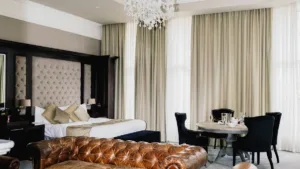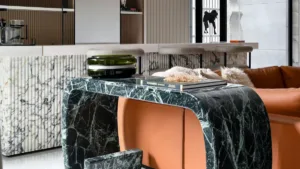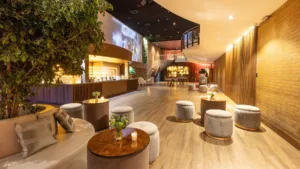
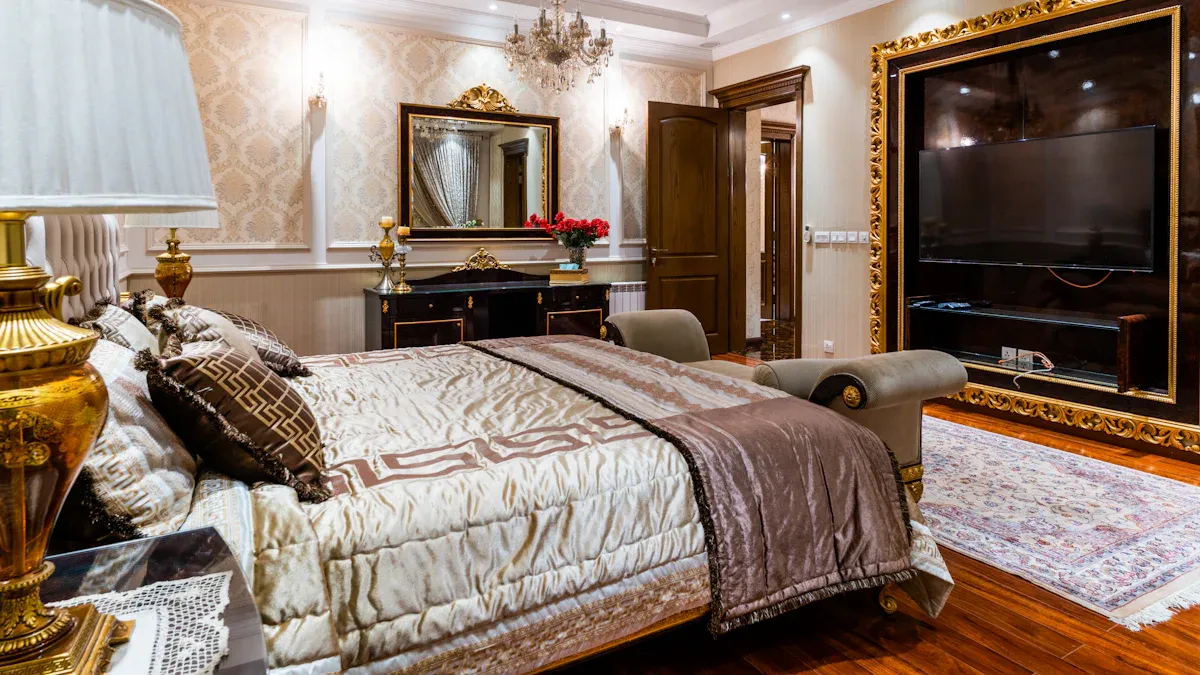
Yes, custom hotel guestroom furniture unequivocally elevates a hotel’s brand. It is a strategic investment. This investment defines identity and enhances the guest experience. Custom hotel furniture transforms spaces into unique brand statements. Hotel furniture customization allows for bespoke designs. For example, solid wood hotel guestroom furniture can create a luxurious feel. Luxury hotel guestroom furniture enhances guest perception. This approach benefits any hotel project furniture.
Key Takeaways
- Custom hotel furniture defines a hotel’s brand. It creates a unique identity. This helps hotels tell their story.
- Custom furniture improves guest experiences. It offers comfort and convenience. Guests feel valued and remember their stay.
- Custom furniture lasts longer. It uses better materials and craftsmanship. This saves money on repairs and replacements.
- Custom furniture increases a hotel’s value. It allows for higher room rates. Guests pay more for unique and luxurious spaces.
- Choosing the right supplier is important. They ensure quality and compliance. This builds a trusted partnership.
How Custom Hotel Guestroom Furniture Defines Your Brand

Custom hotel guestroom furniture plays a crucial role in defining a hotel’s brand. It moves beyond mere decoration. It becomes an integral part of the hotel’s identity. This strategic choice allows hotels to communicate their unique story and values directly to their guests.
Unparalleled Design Flexibility for Hotel Guestroom Furniture
Custom furniture offers hotels immense freedom in design. They can choose specific elements and styles. For example, hotels can incorporate multifunctional casegoods. These pieces support a "Work From Hotel" concept. They include built-in charging ports and touch controls. This creates clear boundaries between work and leisure. Designers also use biophilic designs. They connect indoor spaces with nature. Materials like wood, stone, leather, and wool achieve this connection.
Hotels select specific wood and stone types. Light woods with darker finishes or dark woods with rich grains, like walnut, add elegance. Statement stones such as marble, granite, onyx, and travertine create luxurious accents. Performance fabrics, including durable linens and velvets, ensure longevity and easy maintenance. Hotels can also embrace retro influences or tailored eclecticism. This mixes old and new elements for a curated look. Modern metal finishes, such as silver, chrome, and steel, are popular for hardware. This wide range of options ensures every piece reflects the hotel’s vision.
Crafting a Unique Aesthetic with Custom Hotel Guestroom Furniture
Creating a unique aesthetic involves more than just selecting individual pieces. It means bringing all design choices together into a cohesive look. Designers prioritize the practical use of furniture. They optimize the guest experience through thoughtful layouts. They consider the target clientele’s needs in all design ideas. Scale and proportion are vital. Bespoke furniture fits the spatial and functional requirements of each room. This ensures both comfort and elegance.
Custom furniture creates a natural flow and cohesion within the room. Every piece works together to be both stimulating and soothing. Color theory guides choices. Specific color combinations, like dark blues for reliability or purple for luxury, evoke desired emotions. A variety of materials highlights different aspects of the furniture. This includes using customer’s own materials (COM) for upholstery. Hotels can also draw inspiration from their surrounding environment. They blend contemporary design with traditional craftsmanship. Cultural references and artistic expressions integrate into the decor. This creates distinctive guest experiences. Multi-purpose pieces, such as ottomans with hidden storage or modular seating, offer flexibility. Layered lighting, using ambient, task, and accent lights, creates depth and mood. Curated art and cultural motifs transform rooms into galleries.
Aligning Hotel Guestroom Furniture with Brand Narrative
Custom hotel guestroom furniture directly aligns with a hotel’s brand narrative. It tells the hotel’s story through its physical environment. Custom furniture is tailored to the exact scale of the room. This reinforces flow, sightlines, and spatial harmony. Generic furniture, built to general dimensions, cannot achieve this precision. Hotels have unlimited choices in finishes, fabrics, and forms. This ensures every detail reflects the property’s unique vision.
Hotels can integrate locally crafted, responsibly sourced materials. This promotes sustainability and ethical practices. Designers push boundaries with unique curves, textures, and silhouettes. These elements reinforce a property’s personality. Architects integrate custom furniture into the building’s original character. They do not work around limitations. Hotel owners align every guest touchpoint with their brand promise. This makes a strong statement about character, taste, and trust. A survey by the International Luxury Hotel Association shows that 72% of guests are more likely to return to a property with distinct and well-designed interiors. This highlights how custom furniture directly impacts guest loyalty. It strengthens a hotel’s unique selling proposition. The demand for custom furniture is increasing. Guests desire more personalized experiences. A market report projects a 5.8% compound annual growth rate in the custom furniture segment through 2030. This trend shows how custom furniture helps hotels meet evolving guest expectations and stand out from competitors.
Creating Memorable Guest Impressions with Custom Hotel Guestroom Furniture
Custom hotel guestroom furniture does more than fill a space; it crafts an unforgettable experience for every guest. It transforms a simple stay into a cherished memory. This furniture becomes a key part of the guest’s journey.
Custom pieces help narrate a property’s unique story. For example, airy silhouettes and muted colors in a coastal resort connect guests to the ocean environment. Rich textures and heavier forms in a mountain lodge evoke a sense of warmth and rugged beauty. This makes furniture an integral part of the hotel’s narrative, not just a functional addition. It acts as a visual language, communicating a brand’s personality through curves, materials, finishes, and silhouettes. Custom pieces reinforce the hotel’s narrative, creating a consistent and unforgettable identity throughout the property.
Thoughtful custom design allows for adjustments in height, depth, width, and cushion density. This meets specific space needs. It improves overall guest satisfaction in high-traffic areas like lobbies, pool lounges, and dining terraces. Custom seating allows for dimensions to be adapted for different users and activities. Designers consider arm height, cushion firmness, and ergonomic angles. This also improves accessibility for guests with mobility needs. Custom furniture ensures exceptional comfort. Designers engineer, test, and perfect details like ergonomic back angles, plush yet structured cushions, and soft-touch textiles for every space.
Custom furniture aids in managing transitions in multi-purpose hospitality areas. It provides adaptable solutions. Examples include tables for various group sizes or lounge seating for different activities. Materials are chosen for durability, weather resistance, and easy maintenance. Custom furniture solves operational challenges. It optimizes space efficiency, ensures cleanability with durable finishes, and streamlines housekeeping workflows. It also offers multi-purpose use with integrated storage or modular layouts. Custom furniture can be tailored to the behaviors and expectations of different guest groups. This includes rounded edges for a family resort or sculptural forms for a boutique hotel.
Custom pieces encourage creative expression through unique shapes, patterns, materials, and accent features. This helps properties distinguish themselves. Incorporating regional materials, craftsmanship, or patterns into custom furniture makes hospitality spaces feel more authentic. It connects guests to the local culture and enhances their experience. Beautifully crafted custom furniture creates memorable moments. A specific armchair by a window or a cozy sofa fosters a sense of belonging and intimacy. This turns a stay into a story and encourages return visits. Custom hospitality furniture is crucial for creating unique guest experiences. It reflects brand identity, caters to specific guest needs, and fosters a welcoming, comfortable atmosphere. This approach allows hotels and resorts to differentiate themselves, leaving a lasting impression that encourages guests to return.
The Unseen Value of Custom Hotel Guestroom Furniture
Superior Materials and Craftsmanship in Hotel Guestroom Furniture
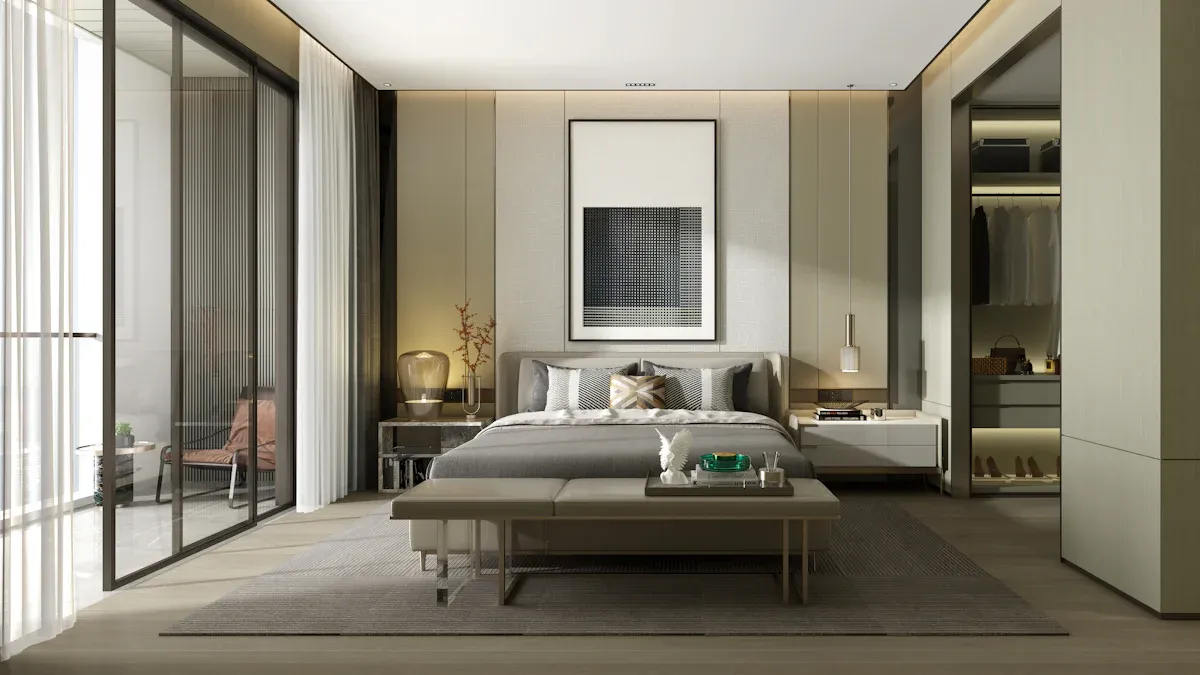
Custom hotel guestroom furniture offers significant advantages through its superior materials and expert craftsmanship. Manufacturers use high-quality components. For example, metal architectural moulding is very durable. It outperforms wood and vinyl. Metal does not catch fire, rot, or suffer from pest infestations. It is also easier to clean with mild detergent. Stainless steel is particularly resistant to dents, scrapes, and corrosion. Brass and bronze are stronger than copper. They can develop a desirable patina over time. Using Architectural Woodwork Institute (AWI)-approved materials ensures quality. This also applies to manufacturing processes. Upgrading horizontal surfaces to quartz protects against scratches. This is especially true for writing surfaces and reception counters. Adding metal accents to casegoods, like dressers, protects against corner damage. Expert craftsmanship ensures precision in construction. This makes furniture structurally sound for many years. Regional artisan techniques, such as New England hand-joinery, add unique touches. Cultural motifs, like traditional patterns in headboard carvings, also enhance the aesthetic.
Enhanced Longevity and Reduced Maintenance for Hotel Guestroom Furniture
Custom furniture provides enhanced longevity and reduces maintenance needs. This offers a clear advantage over mass-produced items.
| Factor | Ready-Made | Custom-Made |
|---|---|---|
| Durability | 3–5 years | 10+ years |
Custom-built furniture is engineered to last 10 years or more. This holds true even under full occupancy. This durability leads to lower operational costs. It also results in fewer guest complaints. Standard hotel furniture typically lasts five to seven years. In contrast, custom furniture uses reinforced joints and stronger fabrics. It often lasts more than a decade. This extended lifespan means fewer replacements. It also provides long-term cost savings. Advanced finishing techniques, like scratch-resistant and stain-proof coatings, protect furniture. This improves its longevity.
Tailored Functionality for Guest Comfort in Hotel Guestroom Furniture
Tailored functional features in guestroom furniture significantly improve guest comfort and convenience. These features are custom-designed to maximize space and enhance functionality. They align with the hotel’s aesthetic. The primary goal is to enhance the guest experience. Features like built-in charging stations, ample storage, and ergonomic workspaces directly improve the stay. They ensure comfort, convenience, and functionality.
Consider these examples:
- Headboards often feature built-in reading lights or USB ports.
- Nightstands provide drawers or shelves for personal items.
- Electronic safes secure valuables with easy digital access.
- Mini-fridges keep drinks and snacks cool and handy.
- Desks and ergonomic office chairs offer a comfortable workspace.
- Storage solutions like wardrobes and dressers help guests keep rooms tidy.
- Sofa/lounge chairs offer relaxing seating options.
- Vanity areas with mirrors are essential for personal grooming.
Thoughtfully crafted furniture ensures guests feel at home. It maintains a stylish and cohesive hotel design. Adjustable lighting and modular seating cater to diverse needs. Headboards provide ample back support for guests who read or work in bed. Flexible furniture options allow guests to customize their environment. This thoughtful selection ensures guests enjoy both physical comfort and a visually pleasing environment.
Fostering Emotional Connections with Custom Hotel Guestroom Furniture
Custom furniture helps hotels build strong emotional connections with guests. It transforms a simple room into a personalized sanctuary. Guests feel a sense of belonging and comfort. This connection goes beyond basic functionality. It taps into feelings of luxury, relaxation, and well-being.
Hotels create unique atmospheres with custom pieces. A bespoke armchair invites guests to relax. A custom-designed desk offers a comfortable workspace. These elements show guests the hotel cares about their experience. They feel valued and understood. This attention to detail makes a lasting impression.
Guests often remember specific design elements. A unique headboard or a custom-built minibar can become a talking point. These details contribute to a memorable stay. They differentiate the hotel from competitors. Guests share these positive experiences with others. This generates positive word-of-mouth.
Custom furniture also reflects the hotel’s brand story. A hotel with a historical theme might use antique-inspired pieces. A modern boutique hotel might feature sleek, minimalist designs. This consistency reinforces the brand identity. Guests feel immersed in the hotel’s narrative. This deepens their emotional bond with the property.
Ultimately, custom furniture fosters loyalty. Guests return to places where they feel comfortable and connected. They seek out experiences that resonate with them. A well-designed guestroom provides this emotional resonance. It turns a one-time visitor into a loyal patron. This emotional connection drives repeat business and enhances the hotel’s reputation.
Beyond the Price Tag: ROI of Custom Hotel Guestroom Furniture
Hoteliers often consider the initial cost of custom furniture. However, they must also evaluate its long-term return on investment (ROI). Custom hotel guestroom furniture offers significant financial benefits beyond its upfront price. It provides sustained value, reduces operational expenses, and enhances guest loyalty. These factors contribute to a healthier bottom line.
Initial Investment Versus Sustained Value of Hotel Guestroom Furniture
Custom furniture often requires a higher initial investment compared to mass-produced alternatives. This higher cost reflects superior materials and craftsmanship. However, this investment safeguards a hotel’s return throughout the asset’s operational life. Custom-made furniture is engineered for durability.
Consider the lifespan differences:
| Factor | Ready-Made | Custom-Made |
|---|---|---|
| Durability | 3–5 years | 10+ years |
| ROI | Short-term | Long-term (2–3x better lifespan value) |
While the initial investment for custom furniture might be higher, it leads to long-term cost savings. This happens due to enhanced durability and a reduced need for maintenance. Custom furniture serves as a strategic tool for projects prioritizing brand identity. It also optimizes space utilization and ensures long-term durability. This allows for unique and cohesive designs.
For commercial buyers, custom furniture is essential. It creates a unique atmosphere and guest experience. Boutique hotels exemplify this by strengthening their brand identity. High-quality, integrated custom cabinetry and wardrobes can significantly increase a property’s value. Practical benefits include specifying tougher finishes for high-wear areas. It also involves reinforcing structures for heavy use. Designers can create solutions for unique storage challenges. This level of control reduces maintenance costs and ensures furniture longevity. It protects the investment and client satisfaction.
Handcrafted furniture has a higher initial cost. Yet, it offers long-term value through quality materials, meticulous craftsmanship, and unique designs. These elements ensure durability. Unlike mass-produced items, handcrafted pieces gain value as they age. This is due to the skill and dedication of artisans. They can become collectibles. The exclusivity and limited availability of handcrafted or custom pieces can increase demand. This enhances financial value over time. The longevity and timeless appeal of handcrafted furniture make it desirable in resale and antique markets. It often appreciates in value. Handcrafted furniture can also carry significant emotional value. It becomes cherished family heirlooms. This contributes to both emotional and financial worth. Investing in handcrafted furniture is an investment in lifestyle. It provides satisfaction from quality, character, and individuality. This adds immeasurable value to daily life.
Reduced Operational Expenses with Durable Hotel Guestroom Furniture
Durable custom furniture directly translates into reduced operational expenses for hotels. Its extended lifespan means fewer replacements. This saves money on purchasing new items and installation costs. Custom furniture also requires less frequent repairs. This lowers labor costs for maintenance staff.
Hotels can implement smart design choices to further reduce costs. For example, a prominent hotel chain adopted modular designs. This allowed them to replace only worn sections of furniture. This significantly reduced long-term costs. Modular sofas offer flexibility and reduced expenses. Their parts can be interchanged or replaced. This simplifies production and shipping.
Furniture designed for easy cleaning and maintenance also reduces costs and downtime. Some hotels use furniture with removable covers. This leads to a 20% reduction in turnaround time between guests. Modular furniture, such as pieces with easily replaceable panels or multi-functional designs, allows staff to perform quick repairs. Hilton’s implementation of modular furniture in certain properties has improved housekeeping efficiency and room readiness. These strategic choices minimize daily operational burdens and maximize cost-effectiveness.
Enhanced Guest Loyalty and Repeat Business from Hotel Guestroom Furniture
Custom furniture plays a crucial role in fostering guest loyalty and driving repeat business. Guests remember unique and comfortable experiences. Custom pieces create a distinctive atmosphere. This makes a hotel stand out from competitors. When guests feel valued and comfortable, they are more likely to return.
A memorable stay encourages positive word-of-mouth referrals. Guests share their experiences on social media and review sites. This organic marketing attracts new customers. It also reinforces the hotel’s brand reputation. The emotional connection guests form with a well-designed space translates into loyalty. They seek out the same comfort and unique ambiance on future trips. This leads to higher occupancy rates and increased revenue over time. Custom furniture is not just about aesthetics; it is a strategic tool for building lasting guest relationships.
Increased Perceived Value and Room Rates through Hotel Guestroom Furniture
Custom furniture significantly increases a hotel’s perceived value. This allows properties to justify higher room rates. Guests willingly pay more for an experience they consider unique and luxurious. Custom pieces transform a standard room into a premium offering.
Custom furniture reinforces a hotel’s brand identity. It uses unique design elements, signature materials, or specific colors. Tailored forms and finishes integrate across all spaces. This creates a consistent, immersive environment. Guests remember this quality and associate it with the brand. This strong brand identity makes the hotel more appealing.
A beautifully furnished room feels more luxurious, even if its size is modest. Custom furniture allows hotels to perfectly match architecture and interior design. It creates visual harmony. Designers highlight focal points. They use lighting and materials to elevate the mood. This makes the entire room feel more high-end and thoughtfully designed. Guests perceive this attention to detail as added value.
Custom furniture creates a "wow" factor. Hotels add signature pieces and create Instagram-worthy design moments. This helps them stand out against competitors. This memorable visual experience often leads to better online reviews. It also encourages more social sharing. Stronger guest loyalty results from these positive interactions. Guests become advocates for the brand.
Custom furniture enhances guest comfort. Hotels tailor mattress firmness, bed height, seating ergonomics, and desk functionality. They also design lounge furniture for relaxation. This focus on comfort drives guest satisfaction. It leads to positive reviews and repeat visits. Guests prioritize comfort and will pay more for it.
Ultimately, custom furniture elevates a hotel’s market position. It attracts a discerning clientele. These guests are willing to pay a premium for a superior experience. This directly translates into increased room rates and improved revenue per available room (RevPAR). The investment in custom furniture yields substantial financial returns.
Navigating the Customization Journey for Hotel Guestroom Furniture
Collaborative Design and Planning for Hotel Guestroom Furniture
The journey for custom furniture begins with detailed planning. Hotels place a detailed order. This order includes dimensions and finish selections. Engineering then develops technical drawings. Clear information upfront helps avoid delays. Customers review these technical drawings. This allows them to double-check measurements and material selections. Quick and thorough feedback is essential for the manufacturer. Even small adjustments are easier to handle early. Furniture must balance functionality with aesthetic appeal. It must also endure demanding hospitality environments. Hotels should evaluate material durability and craftsmanship. They should opt for manufacturers using high-quality materials. Discussing the budget early prevents financial overruns. Investing in quality furniture reduces long-term maintenance.
Expert Manufacturing and Installation of Hotel Guestroom Furniture
Quality control is vital during manufacturing. Clients select materials, finishes, and upholstery. Precise measurements and engineering specifications are created. The detailed design is presented for client approval. A physical sample may be created for review before full production. This allows for final adjustments. Raw materials undergo inspection for quality. Regular checks occur during manufacturing. A thorough final inspection ensures no defects. Key areas like joints and finishes are checked. ISO certification indicates adherence to international quality standards. FSC certification shows wood comes from responsibly managed forests.
Installation also requires careful planning. Installers conduct thorough site visits. They assess building layouts and room dimensions. Detailed planning covers logistics and assembly. Effective communication with the installer is crucial. Hotels should utilize prototypes. This allows test runs for product fit. Agreeing on a realistic schedule streamlines resource allocation.
Building a Trusted Supplier Relationship for Hotel Guestroom Furniture
Selecting the right supplier is a critical step. Hotels should ensure furniture complies with ADA regulations. This includes clear passage for mobility devices. They should select durable materials. These materials must meet budgetary needs. Consider the supplier’s ability to integrate technology. This includes smart guestroom features. For wood products, ensure the supplier adheres to Architectural Woodwork Institute (AWI) standards. Evaluate the warranty offered. Choose suppliers with a proven track record. Check reviews and testimonials. Look for a wide variety of furnishings. Seek competitive pricing without compromising quality. Select suppliers who offer custom solutions and design services. Prioritize durable, high-quality furniture. It should withstand extraordinary wear and tear. Ensure FF&E meets safety standards. This includes fire safety. Define the hotel’s brand and style. This ensures furniture supports the desired ambiance.
Custom hotel guestroom furniture acts as a powerful brand asset. It is more than just decoration. This represents a strategic investment. It brings significant returns. These returns include stronger brand identity and higher guest satisfaction. Hotels should embrace customization. This creates a distinctive and lasting brand presence.
FAQ
Does custom hotel furniture really cost more than standard furniture?
Initially, custom furniture often has a higher price. However, it offers superior durability and a longer lifespan. This reduces replacement and maintenance costs over time. Hotels find custom pieces provide better long-term value and a stronger return on investment.
How does custom furniture improve guest satisfaction?
Custom furniture enhances guest comfort and convenience. Hotels tailor designs to specific needs, like ergonomic seating or built-in charging stations. This attention to detail creates a personalized and memorable experience. Guests feel valued and enjoy a more comfortable stay.
Can custom furniture help a hotel stand out from competitors?
Absolutely. Custom furniture allows hotels to create a unique aesthetic and brand identity. It reflects the hotel’s story and values. This distinct design differentiates the property, making it more appealing and memorable to guests. It helps hotels establish a unique market position.
What materials are best for durable custom hotel furniture?
Hotels often choose high-quality materials for durability. These include solid woods, metal architectural molding, and performance fabrics. Quartz surfaces protect against scratches. These materials ensure furniture withstands heavy use and maintains its appearance for many years.
Is custom furniture a sustainable choice for hotels?
Yes, it can be. Hotels can specify responsibly sourced materials, like FSC-certified wood. The extended lifespan of custom furniture also reduces waste from frequent replacements. This focus on durability and ethical sourcing makes custom furniture a more sustainable option. ♻️