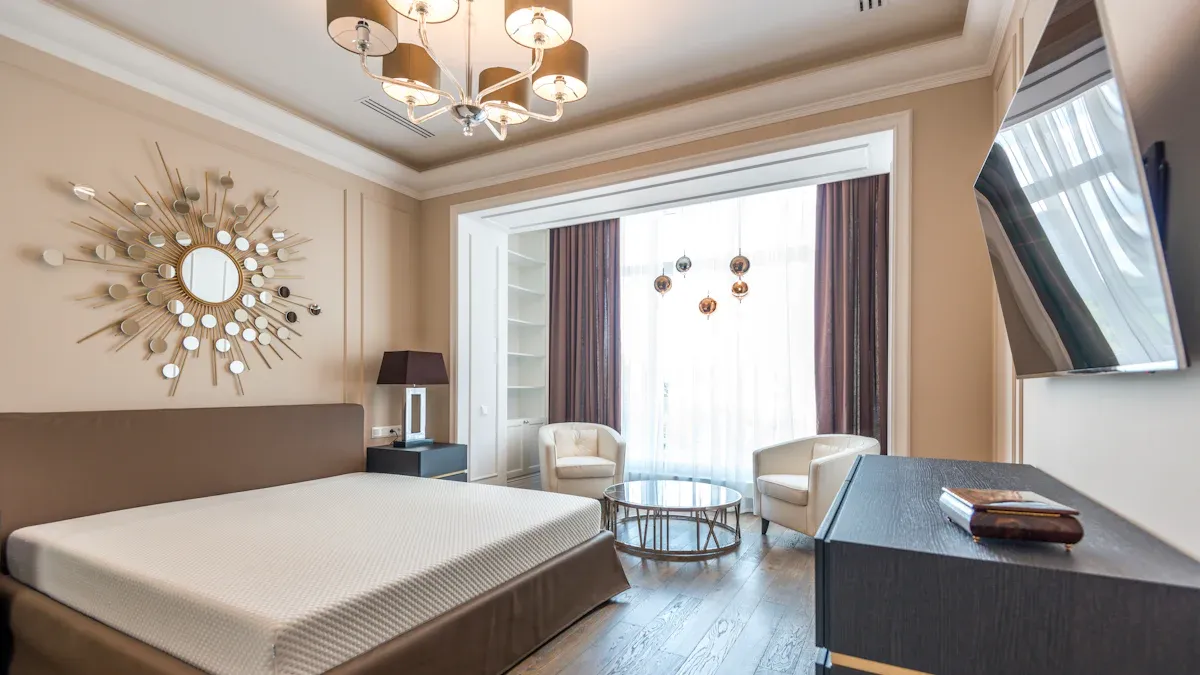
Hotel bedroom furniture plays a crucial role in guest satisfaction. Strategic choices in hotel project furniture elevate the entire stay. Guests appreciate comfortable and well-designed spaces, especially when it comes to hotel bedroom furniture. This also enhances operational efficiency for hotels. For example, durable Hotel casegoods furniture reduces maintenance needs. A reliable Hotel Furniture Manufacturer understands these dual benefits. Well-selected hotel bedroom furniture contributes to a memorable experience and smooth operations.
Key Takeaways
- Hotel furniture choices are very important. They make guests happy and help the hotel run well.
- Hotel casegoods are basic furniture pieces. They include nightstands and dressers. Dining chairs add extra use to rooms.
- Hotels pick furniture based on how long it lasts and how it looks. They also consider how useful it is and how it fits the budget.
- Beds are the most important furniture. Nightstands, dressers, desks, and other seating also make rooms better.
- Future hotel furniture will be good for the environment. It will also have smart technology and flexible designs.
Understanding Hotel Bedroom Furniture Types
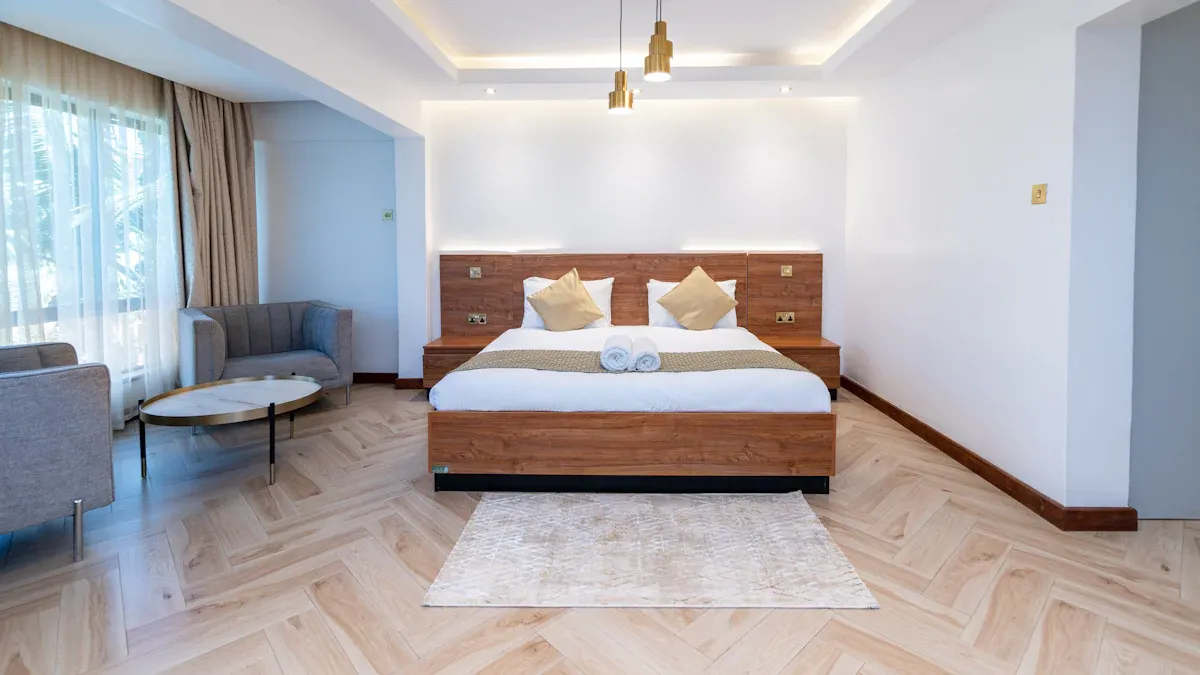
When you think about hotel rooms, many different pieces of furniture come to mind. Knowing the specific types helps hotels make smart choices. Let’s look at two important categories: casegoods and dining chairs.
Defining Hotel Casegoods
Hotel casegoods are the non-upholstered, functional furniture pieces that form the core of a guestroom. They really define the layout and how guests use the space. Each piece has a specific job. It might offer storage, divide a room, or support daily activities.
Common examples of these essential items include:
- Nightstands
- Dressers
- Wardrobes
- Desks
- Luggage benches
- Headboards
- Wall panels
- Media or minibar units
These pieces are mostly made from hard materials like wood, laminate, or metal. Hotels choose materials that balance durability, cost, and how they look.
| Component | Description | Common Materials |
|---|---|---|
| Face | This is the visible surface. It sets the tone with its color, texture, and finish. | Wood veneer, High-pressure laminate (HPL), Low-pressure laminate (LPL), Solid wood |
| Core | This part provides the structure, strength, and weight of the furniture. | Plywood, Particle board, Medium-density fiberboard (MDF) |
| Edge | The edge protects the panel, finishes the piece, and adds to its durability. | Laminate self-edge, PVC edge banding, Solid wood edge |
The Role of Hotel Dining Chairs
You might think dining chairs are just for eating, but in a hotel room, they often do much more. These chairs are a great example of modular and multi-functional furniture. This means they can adapt to different guest needs, making the room flexible and welcoming.
Hotel dining chairs often double as workspaces within guest rooms. This is part of a bigger trend to create multi-functional spaces. These spaces cater to both relaxation and productivity. This design choice enhances the overall hotel room beyond just the sleeping area. These chairs, often upholstered in quality materials, complement dining tables. They also add a touch of sophistication, making the room feel more complete and stylish. Their versatility helps them fit into rooms for all kinds of travelers.
Key Considerations for Hotel Bedroom Furniture Selection
Choosing hotel bedroom furniture involves more than just picking pretty pieces. Hotels make strategic decisions that impact guest satisfaction, operational costs, and brand image. Thoughtful selection ensures a positive experience for everyone.
Durability and Longevity
Hotel furniture faces constant use. Guests come and go, and items endure daily wear and tear. Therefore, durability is a top priority. Hotels need furniture that withstands heavy use and maintains its appearance over time. This reduces replacement costs and keeps rooms looking fresh.
Many industry standards guide furniture durability. These include:
- ANSI/BIFMA standards for office furniture, which ensure items can handle the demands of hospitality.
- ISO manufacturing standards, which promote consistent quality.
- ASTM standards, crucial for evaluating durability and fire resistance. They assess structural integrity and how well materials resist ignition.
- NFPA standards, which specifically address fire safety.
- California Bureau of Household Goods and Services (CBHGAS) confirms products meet national and international safety standards. This gives hotels assurance about quality and safety.
Investing in high-quality materials pays off. For example, solid wood furniture generally lasts longer than engineered wood.
| Feature | Average Lifespan |
|---|---|
| Solid Wood | 15-20 years |
| Engineered Wood | 8-12 years |
A bedroom set can last 15-20 years on average. Choosing durable pieces means hotels replace furniture less often. This saves money and reduces disruption for guests.
Aesthetic Appeal and Brand Alignment
Furniture sets the tone for a hotel room. It significantly impacts a guest’s first impression. The right furniture choices create a sense of warmth and coziness. Poor choices can make guests feel uneasy. Hotels use furniture to reflect their brand and create a specific atmosphere.
Consider how furniture aesthetics influence guest perception:
- Comfortable and stylish furniture in lobbies signals that guest comfort is a priority. This reinforces the hotel’s brand image.
- Thoughtfully designed rooms balance aesthetics with practicality. Plush bedding, luxurious fabrics, and stylish furnishings combine with good lighting, power outlets, and comfortable seating. This creates an inviting and functional atmosphere.
- The design of communal spaces, including furniture, should align with the hotel’s brand. For example, a luxury hotel might choose sleek designs, while a boutique hotel might opt for eclectic pieces. This enhances the guest experience and reflects the hotel’s values.
High-quality furniture contributes to positive reviews and increased social media exposure. This attracts more potential guests. Well-furnished rooms reflect professionalism, quality, and dedication. This builds brand credibility and increases guest trust.
Functionality and Guest Comfort
Hotel furniture must do more than just look good; it needs to work well for guests. Functionality means the furniture serves its purpose efficiently. Guest comfort ensures a relaxing and enjoyable stay. These two aspects go hand-in-hand.
Hotels prioritize comfort and functionality in their furniture choices. This contributes to the guest’s overall comfort. Furniture design influences emotions, perceptions, and behavior. Comfort is a key psychological factor. It includes both physical ease and emotional well-being.
Think about how furniture choices impact a guest’s stay:
- Practicality: Does the desk provide enough space for a laptop? Are there easily accessible power outlets?
- Multi-functional furniture: Pieces that serve multiple purposes, like a dining chair that doubles as a workspace, maximize space. This enhances the guest experience.
- Seating arrangements: These can encourage or discourage social interaction and conversation.
- Scale and proportions: The size of furniture affects a guest’s perception of space. It can create a feeling of grandeur or intimacy.
- Material, texture, and color: These choices profoundly shape the guest experience. Plush fabrics suggest luxury, natural materials bring warmth, and specific colors set a mood.
By focusing on both functionality and comfort, hotels create spaces where guests feel at ease and have everything they need.
Space Optimization
Hotels often face the challenge of making smaller rooms feel spacious and functional. Smart furniture choices help maximize every inch. Designers look for innovative solutions to create comfortable and efficient guest spaces.
Multifunctional furniture is a great way to save space. For example, sofa beds offer both sleeping and seating options. They easily convert for day or night use. Murphy beds, also known as wall beds, fold up against the wall. This frees up valuable floor space when guests do not need them. Extendable dining tables can be stored compactly. Guests can expand them when they need a meal or a workspace. Ottomans with storage provide extra seating or a footrest. They also offer hidden compartments for belongings.
Modular and transformable designs also play a big role. Furniture that can be easily reconfigured or expanded adapts to different needs. A living area can quickly become a workspace. Wall-mounted or folding furniture saves space. Loft beds with integrated workspaces are another clever idea. Stackable or nesting furniture also helps keep rooms tidy.
Smart storage ideas are essential. Under-bed storage uses the space beneath the bed. This is perfect for luggage or extra items. Custom shelves maximize vertical space. Guests can easily reach books, decorations, or travel essentials. Wall hooks offer convenient hanging options for coats, towels, or bags. This keeps floors clear. Over-the-door organizers create extra space for shoes, toiletries, or accessories on the back of doors. These solutions provide ample storage without making the room feel cluttered.
Budget and ROI
Choosing hotel furniture involves a significant investment. Hotels must consider the budget carefully. They also need to think about the return on investment (ROI). This means balancing the initial cost with the long-term benefits.
Durability is a key factor for ROI. High-quality furniture reduces the need for frequent repairs and replacements. This leads to lower total ownership costs over time. Hotel furniture faces intense wear and tear. Quality and longevity are essential. A bedroom set can last 15-20 years with good choices. This saves money in the long run.
Aesthetics and comfort also drive ROI. Furniture is a key part of the guest experience. It influences a hotel’s brand identity. Comfortable and well-designed furniture leads to positive guest reviews. These reviews enhance a hotel’s online reputation. They also increase direct bookings. Guest comfort encourages spending on other services like room service or spa treatments. This boosts revenue beyond just room bookings. Well-designed furniture enhances visual appeal. This increases booking decisions and occupancy.
Operational efficiency and staff productivity improve with smart furniture choices. Easy-to-clean and durable furniture reduces housekeeping time. It also lowers maintenance efforts. This improves profit margins. High-quality furniture meets commercial safety standards. This minimizes injury claims and protects the brand image.
Furniture reflects a hotel’s brand identity. It builds trust and allows for premium rates. This strengthens brand positioning and market differentiation. High-quality furniture can also be reupholstered or refinished. This reduces renovation budgets and downtime. It also supports sustainability goals by extending product life cycles. This attracts eco-conscious travelers. Consistent furniture performance over years stabilizes financial planning and budget control.
Essential Hotel Bedroom Furniture Pieces
Hotel rooms need specific furniture pieces to make guests feel comfortable and at home. These essential items create a functional and inviting space. They also help define the room’s overall style and purpose.
Beds and Headboards
The bed is always the centerpiece of any hotel room. It offers guests a place to rest and recharge. Hotels carefully choose beds and mattresses to ensure maximum comfort.
- The Queen bed, measuring 60" × 80", is the most popular choice in hotels worldwide. It fits well in most room types. It also provides comfort for both solo travelers and couples. Many 3–4 star hotels use Queen beds as their standard. This helps with efficiency and consistency.
- Marriott International often uses Queen (60" × 80") and King (76" × 80") beds. They prefer hybrid mattresses. These mattresses offer great durability and predictable firmness. This is part of their "Marriott Sleep Experience."
- Hyatt Hotels sometimes feature Twin XL (38" × 80") and Oversized King (80"–84" length) beds. They choose premium cushion-top designs for their mattresses. This prioritizes ergonomics for international travelers. They also offer softer, upgraded beds for extra comfort.
Headboards do more than just frame the bed. They add a lot to the room’s look and feel. Modern headboards often become a piece of art.
- Sleek and Modern Aesthetics: Headboards now blend style and function. They feature clean lines and contemporary designs.
- Nature-Inspired Designs: Some headboards, like the ‘Oasis,’ show serene landscapes. They use soothing colors to create a relaxing atmosphere.
- Geometric Patterns: Designs such as ‘Symmetry’ use clean lines and geometric shapes. They sometimes include mirrored panels. This adds sophistication and makes the room seem bigger.
- Opulent Designs: The ‘Glamour’ headboard uses plush velvet, sparkling crystals, and tufted patterns. It gives a luxurious and indulgent feel.
- Technological Integration: ‘Tech-Savvy’ headboards come with built-in USB ports, power outlets, and integrated lighting. This offers great convenience for guests.
- Eco-Chic: The ‘Eco-Chic’ headboard uses reclaimed wood. It combines environmentally friendly materials with a modern design. This creates a rustic charm.
- Cultural Diversity: The ‘Cultural Kaleidoscope’ design celebrates global heritage. It uses vibrant colors and intricate patterns. This shows a mix of diverse elements.
- Timeless Elegance: Designs like ‘Timeless Elegance’ feature hand-carved details. They use luxurious fabrics and elegant finishes. This honors traditional craftsmanship.
Nightstands and Dressers
Nightstands and dressers are crucial for guest convenience and storage. They help keep the room tidy and organized.
- Nightstands need enough surface area. Guests use this space for lamps, alarm clocks, and electronic devices. Storage options like drawers or shelves are very important. They help organize personal items such as books, eyeglasses, or medications. This keeps the area clutter-free.
- Nightstands should match the room’s overall design. This could be modern, traditional, or eclectic. Their size and shape should fit the room well. Materials like solid wood, metal, or glass should be high-quality and durable. They need to resist scratches and stains.
- Many nightstands now include built-in USB ports or power outlets. Guests can charge their devices easily. Wireless charging pads are also a smart feature. They offer convenience and keep the space neat. Some tables even have a built-in nightlight or reading lamp.
- Guests need easy access to their items. Adjustable or extendable tabletops can change height or angle. This makes them more comfortable. In-room amenities like alarm clocks, reading lights, or bedside telephones are common.
- Nightstands must be durable. They need high-quality materials and strong construction. This helps them withstand frequent use and last longer.
When it comes to size, nightstands have some standard measurements.
- They are usually about 24-28 inches tall, 18-24 inches wide, and 16-20 inches deep. This size works for most rooms. It provides enough space for essentials like lamps and phones.
- The minimum width is typically 18 inches. This ensures space for a lamp, alarm clock, or other items. It also keeps a small footprint for smaller rooms.
- The ideal height should generally match the top of the mattress, around 24 to 28 inches. This allows guests to reach items easily without stretching.
- Standard dimensions are between 24 and 28 inches in height, 18 and 24 inches in width, and 16 to 20 inches in depth. These sizes fit most items without making the room feel crowded.
- Nightstands can have one or more drawers, open shelves, or even secret compartments for storage. Material choices like wood, metal, or glass should complement the room’s theme.
Dressers offer more extensive storage. They provide space for clothes and other personal belongings. They often feature multiple drawers. This helps guests unpack and settle in comfortably.
Desks and Task Chairs
Many hotel guests need a functional workspace. Business travelers often work from their rooms. Others might want a place to write postcards or plan their day. Desks and task chairs provide this essential area.
For hotel desks and task chairs, adjustability is crucial. It allows guests to find a comfortable working posture. This ensures comfort and productivity for business travelers.
- Task chairs should have adjustable height and lumbar support.
- They also need swivel and tilt functions.
- Armrests on chairs help reduce wrist strain.
- Some desks are sit/stand models with memory settings.
- Monitor arms allow for proper viewing angles. They offer adjustable height, tilt, and angle.
- Keyboard trays with tilt adjustment also improve ergonomics.
These features help guests maintain a neutral posture. This prevents discomfort during long work sessions. A well-designed workspace shows guests that the hotel cares about their needs. It makes their stay more productive and enjoyable.
Seating Options
Seating options in a hotel room go beyond just the bed. They offer guests extra comfort and flexibility. These pieces create inviting areas for relaxation or work. They also add to the room’s overall style.
Modern hotel bedrooms often include various seating choices. Armchairs and sofas are very popular. Hotels choose them for their comfort and stylish look. They help create cozy spots where guests can unwind. Comfort is a key factor. Chairs and sofas are selected for how well they support the body. They also need to match the room’s design.
Specific types of seating enhance the guest experience. Sofas provide a comfortable place for guests to relax. Accent chairs add a touch of elegance to the room. Lounge chairs offer a perfect spot for unwinding after a long day. Benches provide extra seating at the foot of the bed or near the entryway. Versatile chairs, from dining chairs to decorative side chairs, are also common. They serve many purposes in the room.
These seating options make the room more functional. A comfortable armchair by the window offers a quiet reading nook. A small sofa can provide a space for guests to watch TV or chat. Benches can hold luggage or offer a quick place to sit while putting on shoes. Each piece helps make the hotel room feel more like a home. They give guests more choices for how they use their space.
Integrating Dining Chairs in Hotel Rooms
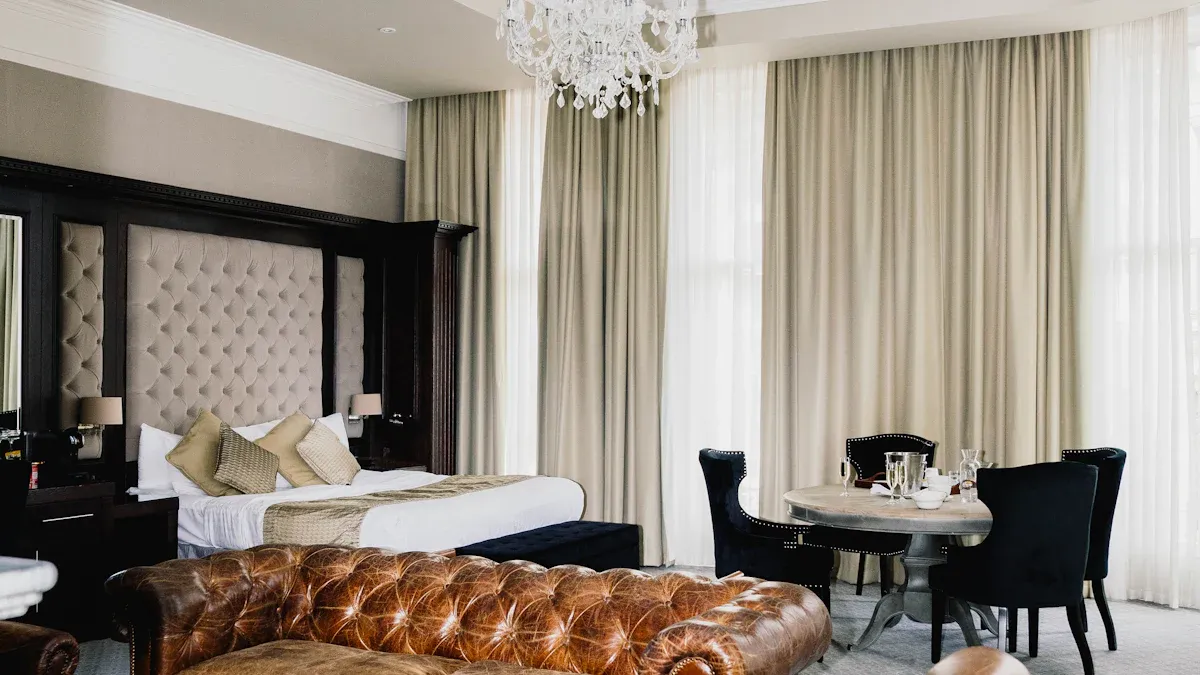
Hotel rooms often feature dining chairs. These chairs add a lot of value. They make the room more flexible for guests. Hotels carefully consider how to use these chairs effectively.
When to Include Dining Chairs
Hotels decide to include dining chairs for several reasons. Many guests need a dedicated space for eating. They might order room service or bring in takeout. A dining chair and table provide this convenience. Business travelers also benefit greatly. They often need a comfortable spot to work on their laptops. A dining chair paired with a desk or small table creates an ideal workspace. Extended-stay guests particularly appreciate these chairs. They live in the room for longer periods. This makes a functional dining or work area essential for their comfort.
Design and Material Choices
The design of hotel dining chairs matters a lot. It affects both the room’s look and the guest’s comfort. Hotels choose chairs that match the overall room aesthetic. A modern hotel might pick sleek, minimalist chairs. A more traditional hotel could opt for classic designs with rich upholstery. Materials are also key. Durable fabrics and sturdy frames ensure the chairs last a long time. Easy-to-clean materials are a must for hotels. This helps maintain hygiene and appearance. Wood, metal, and high-quality plastics are common choices. Upholstered seats add comfort and a touch of luxury.
Placement and Versatility
Strategic placement makes dining chairs very versatile. Hotels often place them near a window. This offers guests a pleasant view while they eat or work. Positioning them next to a desk creates an instant office space. Some rooms use a small, round table with two chairs. This setup works well for both dining and casual meetings. These chairs can also serve as extra seating when guests have visitors. Their ability to adapt to different needs makes them a smart addition. They help maximize the room’s functionality without taking up too much space.
Material Choices and Maintenance for Hotel Project Furniture
Choosing the right materials for hotel project furniture is very important. It affects how long the furniture lasts and how it looks. Good material choices also make maintenance easier. Hotels need furniture that can handle a lot of use. They also need furniture that stays looking good.
Common Furniture Materials
Hotels use many different materials for their furniture. Solid wood is a classic choice. It offers strength and a timeless look. However, wood veneer is also a popular option for hotel project furniture. It provides many benefits.
- Design Flexibility: Its thinness allows for creative and flexible use in composite woodworking. This simplifies bespoke hotel furniture projects compared to solid wood.
- Aesthetic Appeal: It has a natural charm, especially when grouped for artistic effects. This is a key reason for its use in hospitality.
- Stability: It offers more consistent strength than solid wood. Engineered wood, often the core of veneer, can be easily modified to size. It avoids the splits and cracks common in solid wood during modification.
- Environmental Benefit: It helps environmental sustainability. It expands material sources and reduces deforestation.
However, wood veneer also has some drawbacks.
- Redesign Difficulty: Its millimeter-thin layer makes wood veneer furniture challenging to redesign. This is less of an issue for minor repairs or reproductions.
- Blistering Risk: It can blister if combined with low-quality engineered wood, particularly chipboard.
Metal is another common material. It offers a modern look and great durability. Laminates are also popular for surfaces. They resist scratches and spills well.
Upholstery Fabrics and Finishes
Upholstery fabrics must be both attractive and practical. They need to withstand constant use and be easy to clean. For hotels and restaurants, Crypton-treated polyester blends or outdoor-grade fabrics are recommended. They offer durability and suit high-traffic commercial spaces.
Other excellent choices include:
- Microfiber: It resists stains, lasts long, and is easy to clean.
- Leather: It looks elegant, is simple to maintain, and lasts a long time.
- Vinyl: It works well in busy hotel areas. It resists spills and moisture.
- Polyester blends: These are affordable and strong. They come in many colors.
The finish on furniture also protects it. It adds to its look. Hotels often choose finishes that resist scratches and moisture.
Cleaning and Upkeep
Proper cleaning and upkeep extend the life of hotel project furniture. Hotels need clear cleaning protocols for all materials. Regular dusting and wiping down surfaces prevent dirt buildup. For upholstered items, spot cleaning spills quickly is essential. This prevents stains. Vacuuming fabric furniture regularly removes dust and debris. Hotels should use gentle cleaning products. Harsh chemicals can damage finishes and fabrics. A good maintenance plan keeps furniture looking new. It also reduces the need for early replacements.
Achieving Cohesive Hotel Bedroom Design
Creating a cohesive hotel bedroom design makes a big difference for guests. It ensures every element works together. This creates a memorable and comfortable stay.
Theme and Color Palette
A consistent theme and color palette are crucial for a unified guest experience. Hotels strategically integrate design elements like colors, materials, patterns, and styles across all spaces. This creates cohesive design aesthetics. Successful themed rooms achieve a harmonious look. They coordinate design elements such as color, lighting, furniture, and accessories. This supports the theme without overwhelming the space. A brand-specific color palette reflects a hospitality brand’s identity. Hotels apply these colors consistently across interiors and branding materials. They maintain consistency from room to room. This avoids completely different color palettes or styles in each room. Hotels align room decoration with the hotel’s overall branding. This ensures continuity from the lobby to guest rooms. It prevents guest confusion and creates a harmonious experience.
Balancing Form and Function
Furniture in hotel rooms must look good and work well. Designing for flow allows guests to move effortlessly through the room. They easily reach light switches and place bags without obstruction. This shows a quiet marker of quality. Zoning helps guide this by placing sleep, work, and lounge areas naturally. Building custom furniture ensures pieces are perfectly scaled for the space. This avoids awkwardness from pre-built items. It includes the scale of a headboard, the depth of a built-in, and spacing between pieces. This makes the room feel intentional. Mobile chairs, easy-to-clean surfaces, and modular elements simplify housekeeping. They also simplify maintenance. This balances design, comfort, and service efficiency.
Customization Options
Hotels use customization to align furniture with specific brand identities. They incorporate regional materials and motifs for a local culture-inspired boutique hotel. For example, headboards from locally sourced wood or lobby tables inspired by natural landscapes. Hotels create a cohesive theme throughout the property. This evokes a sense of luxury, rustic charm, or playful ambiance. They match the brand’s aesthetic with guest needs. This includes plush sofas with rich fabrics for a luxury resort. It also includes sleek, minimalist designs for a modern urban hotel. Hotels integrate modern aesthetics and technology. This means built-in charging ports in coffee tables. They adapt to changing trends with multifunctional furniture. Desks double as vanity tables, and seating is modular.
Future Trends in Hotel Project Furniture
The world of hotel project furniture constantly evolves. New trends emerge to meet guest expectations and operational demands. Hotels look for innovative solutions that enhance the guest experience and support sustainable practices.
Sustainable Furniture
Hotels increasingly prioritize sustainable furniture. They want pieces that look good and also protect the environment. Manufacturers now use materials like reclaimed wood, bamboo, and recycled metal. They also incorporate organic fabrics. Many hotels choose to upcycle old furniture or select items made from recycled goods. They also opt for furniture finished with non-toxic, water-based paints and lacquers. Designing for longevity and durability is key. This reduces the need for frequent replacements and minimizes waste. This approach aligns with guest preferences and helps hotels meet regulatory requirements. It also enhances their brand reputation.
Smart Furniture Integration
Technology is transforming hotel rooms. Smart furniture integrates seamlessly into the guest experience. Guests now find built-in speakers and sound systems in desks or headboards. Smart mirrors and interactive displays offer personalized information like weather updates. Wireless charging stations are common in nightstands and desks. Integrated power outlets and USB ports make device charging easy. Smart lighting systems allow guests to customize room ambiance. Some furniture even features voice-activated controls for room settings. These innovations make stays more convenient and enjoyable.
Adaptable Designs
Adaptable designs offer great flexibility for hotel rooms. Modular furniture can rearrange or serve multiple functions. Sectional sofas can create open spaces or provide lounging options. Stackable or nesting chairs save space when not in use. Reconfigurable furniture adjusts to new layouts without needing full replacement. Sofa beds with hidden storage offer seating by day and sleeping by night. Foldable desks and wall-mounted tables provide workspaces while keeping floors clear. This type of hotel project furniture allows rooms to adjust to different floor plans and guest needs. It helps maximize space and comfort for all travelers.
Hotels make smart furniture choices. They prioritize durability, aesthetic appeal, and functionality. These strategic decisions bring long-term value. They enhance guest satisfaction and strengthen the hotel’s brand. Such choices also improve operational efficiency and boost return on investment. Hotels should continuously evaluate their furniture needs. This ensures they remain modern and meet evolving guest expectations. It keeps their spaces inviting and effective.
FAQ
What are hotel casegoods?
Hotel casegoods are the non-upholstered furniture pieces in a guestroom. They include items like nightstands, dressers, desks, and wardrobes. These pieces provide storage and define the room’s layout. They are usually made from hard materials such as wood or laminate.
Why do hotels prioritize durable furniture?
Hotels prioritize durable furniture because many guests use it daily. High-quality, long-lasting pieces reduce replacement costs and keep rooms looking fresh. This also ensures guest safety and satisfaction. Durable furniture helps hotels maintain their brand image over time.
How do dining chairs add value to hotel rooms?
Dining chairs offer guests a flexible space for eating or working. They create a dedicated area for room service or laptop use. This makes the room more functional, especially for business or extended-stay guests. They also add to the room’s overall style.
What does "sustainable furniture" mean for hotels?
Sustainable furniture means hotels choose pieces that protect the environment. They use materials like reclaimed wood or recycled metal. Hotels also pick items made with non-toxic finishes. This approach reduces waste and aligns with eco-conscious guest preferences.
How do hotels ensure guest comfort with furniture?
Hotels ensure guest comfort by selecting furniture that looks good and works well. They choose pieces with good ergonomics, like adjustable task chairs. Comfortable beds and inviting seating options create a relaxing atmosphere. This focus on comfort makes guests feel at ease.