
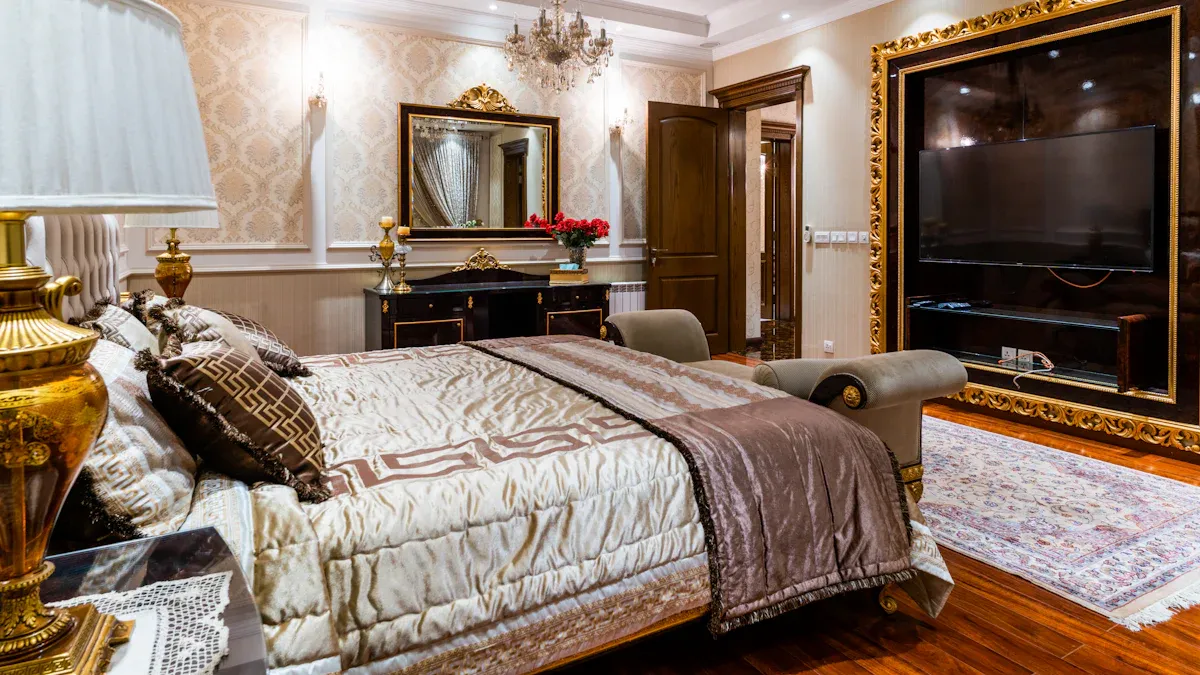
Identifying reliable, experienced, and high-quality hotel project furniture suppliers becomes crucial for success in 2025. The global hotel room furniture market expects significant growth, with a projected Compound Annual Growth Rate of 5.566% from 2025 to 2033. Luxury indoor hotel furniture alone projects a 6.09% CAGR, highlighting a strong demand for specialized solutions. Approximately 14% of recent orders involved bespoke finishes, emphasizing the need for custom furniture for hotel projects, especially for boutique hotel guest room furniture and hotel guest room furniture. Leading suppliers differentiate themselves through robust project experience, scalability, and exceptional hotel engineering furniture customization capabilities, crucial factors for choosing the best fit for upcoming projects. This includes a focus on high-quality indoor supporting furniture to enhance guest comfort and aesthetics.
Key Takeaways
- Choose hotel furniture suppliers with strong experience and the ability to handle large projects.
- Look for suppliers who offer custom designs and use eco-friendly materials.
- Check for important certifications like ISO 9001 and FSC to ensure quality and responsible practices.
- Good suppliers provide full services, including design, making the furniture, and setting it up.
- Clear communication and careful planning help keep furniture projects on time and within budget.
The Evolving Landscape of Hotel Project Furniture in 2025
Key Trends Driving Hotel Project Furniture Demand
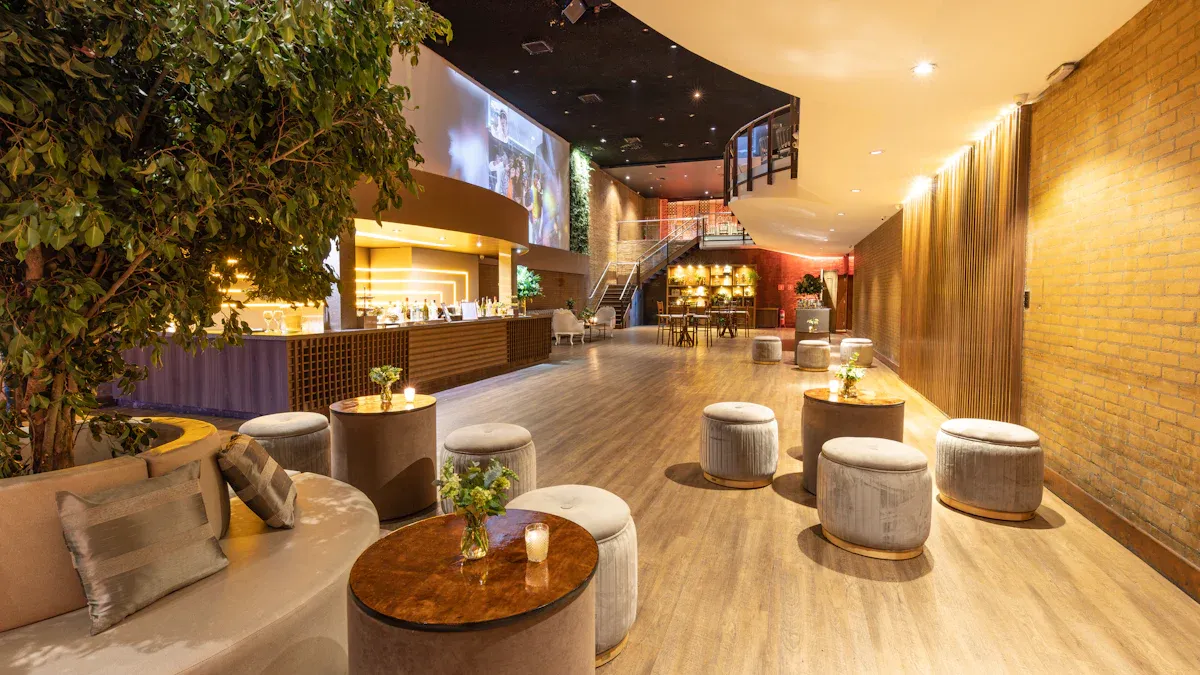
Several key trends shape the demand for Hotel Project Furniture in 2025. Sustainability remains a top priority. Hotels increasingly use eco-friendly materials like reclaimed wood, recycled metal, bamboo, and natural fibers. This reduces environmental impact and appeals to eco-conscious guests. Another significant trend involves multifunctional and modular furniture. Flexibility is crucial; furniture such as sofa beds, expandable tables, and storage-integrated seating maximizes space. This allows spaces to adapt for various purposes. Technology integration also plays a vital role. Smart technology blends seamlessly into designs, including built-in wireless chargers, hidden power outlets, adjustable lighting, smart mirrors, and voice-controlled features. These enhancements improve convenience and connectivity for guests.
The Importance of Project Experience and Scalability
Successful hotel projects demand suppliers with extensive project experience and robust scalability. Suppliers must demonstrate a proven track record in delivering large-scale installations. They manage complex logistics and coordinate with various stakeholders. Scalability ensures suppliers handle projects of different sizes, from boutique hotels to expansive resorts. This includes the ability to produce high volumes of furniture while maintaining consistent quality. Material innovations also impact scalability. Engineered wood and veneer offer customization in toughness and duration. They provide a natural look and enhanced water resistance. Hardwood remains a traditional choice for its durability. Metal, marble, and glass also contribute to modern and visually appealing environments.
Defining Excellence in Hotel Project Furniture Supply Today
Excellence in hotel project furniture supply today encompasses several critical aspects. It begins with a commitment to quality craftsmanship and attention to detail. Suppliers must offer bespoke and customizable solutions to meet unique design visions. This includes a wide range of materials, from sustainable wood alternatives like bamboo to advanced polymers and metal alloys. Eco-friendly finishes and performance fabrics are also essential. These materials offer durability, stain resistance, and easy cleaning. Antimicrobial treatments further enhance hygiene and safety. Excellent suppliers also provide comprehensive services, including design, manufacturing, and installation. They ensure efficient project management and timely delivery. For instance, furniture installation can achieve a rate of 5 floors per week during interior transformation. This efficiency minimizes disruption and keeps projects on schedule.
Spotlight on Top Hotel Project Furniture Suppliers for 2025
Elite Hospitality Group: Craftsmanship and Attention to Detail
Elite Hospitality Group, also known as Elite Modern, stands out for its exceptional craftsmanship and meticulous attention to detail in Hotel Project Furniture. They consistently deliver high-quality furnishings that meet the exacting standards of luxury hospitality. Their commitment to precision and aesthetic excellence makes them a preferred partner for discerning hotel developers. Elite Hospitality Group demonstrates its craftsmanship through various prestigious projects:
- The Wynn Resort in Las Vegas, NV
- Disney World in Orlando, FL
- Embassy Suites by Hilton in Knoxville, TN
Kimball Hospitality: Decades of Experience in North America
Kimball Hospitality brings decades of experience to the North American hotel furniture market. This long-standing presence has allowed them to develop a deep understanding of the industry’s unique demands and challenges. They offer comprehensive solutions, from design and manufacturing to logistics and installation, ensuring a seamless process for their clients. Kimball Hospitality’s extensive track record and robust operational capabilities make them a reliable choice for large-scale hotel projects across the continent.
Sara Hospitality USA: Bespoke and Customizable Solutions
Sara Hospitality USA specializes in providing bespoke and customizable furniture solutions tailored to each hotel’s specific vision. They understand that every property possesses a unique identity, and their design team works closely with clients to create furnishings that perfectly reflect that individuality. Sara Hospitality USA has successfully completed projects for numerous well-known brands, showcasing their versatility and commitment to client satisfaction. Their portfolio includes:
- LA QUINTA APPROVED PROGRAMS:
- Springdale (Dual-Brand)
- Roswell
- Franklin
- California
- Lexington
- HAMPTON INN
- HILTON GARDEN
- RADISSON
- SLEEP INN
- STUDIO 6
- FF&E COLLECTIONS:
- CHICAGO COLLECTION
- COLUMBUS COLLECTION
- DAYTON COLLECTION
- DENVER COLLECTION
- DETROIT COLLECTION
- HOUSTON COLLECTION
- IRVINE COLLECTION
- MESA COLLECTION
- NORFOLK COLLECTION
- ONTARIO COLLECTION
- ORAGE COLLECTION
- ORLANDO COLLECTION
- SEATTLE COLLECTION
- WACO COLLECTION
Sara Hospitality USA offers custom furniture solutions for various hotel areas, ensuring a cohesive and luxurious guest experience. These include:
- Guest Room Furniture: They provide custom beds, nightstands, and wardrobes. These pieces create a welcoming atmosphere and match the hotel’s unique character, with options for modern, vintage, or simple styles.
- Lobby and Lounge Furniture: This category features elegant pieces like statement sofas and chic coffee tables. They also offer modular seating for flexible arrangements, making a strong first impression.
- Dining Area Furniture: Sara Hospitality USA supplies stylish and durable handcrafted tables, comfortable chairs, and bar stools. These are suitable for both formal and casual dining experiences.
- Outdoor Furniture: They offer weather-resistant patio seating and loungers. These combine toughness with style for exterior spaces.
Taisen Furniture: OEM and One-Station Service from China
Taisen Furniture, a factory located in Ningbo, China, offers convenient transportation access. They specialize in dining tables and chairs, bedroom sets, and hotel furniture. Taisen also provides OEM (Original Equipment Manufacturer) and one-station services for hotel project furniture. The company has over ten years of experience in manufacturing hotel project furniture.
Taisen operates a world-advanced production line for furniture. This includes a fully computer-controlled system, an advanced central dust collection system, and a dust-free paint room. These facilities support their comprehensive services in furniture design, manufacture, marketing, and interior matched furniture. Their product range covers dining sets, apartment series, MDF/PLYWOOD type furniture, solid wood furniture, hotel furniture, and soft sofa series. Taisen provides high-quality, one-station service for interior matched furniture to various clients. These clients include enterprises, institutions, organizations, schools, guestrooms, and hotels. Taisen exports its products to the United States, Canada, India, Korea, Ukraine, Spain, Poland, the Netherlands, Bulgaria, Lithuania, and other regions.
For custom OEM hotel furniture projects, Taisen Furniture manages specific lead times. The overall custom project, from order to delivery, typically takes approximately 24 weeks. The typical lead time for custom projects, including design, drawing, and production, ranges from 14 to 18 weeks. The initial design phase usually requires 1 to 2 weeks. The drawing phase then takes 4 to 5 weeks. The production phase itself spans 8 to 12 weeks. For instance, producing a single high-end dining table takes 4 to 6 weeks. A full whole-home project requires 8 to 12 weeks for production before shipping. These timelines ensure meticulous attention to detail and quality control throughout the manufacturing process.
Other Noteworthy Hotel Project Furniture Suppliers
Beyond the highlighted leaders, several other suppliers demonstrate significant innovation and quality in the hotel furniture market for 2025. These companies consistently push design boundaries and offer exceptional craftsmanship.
- Herman Miller (USA): This American company is recognized for cutting-edge design and innovation. They offer premium-quality furniture with ergonomic features and a strong focus on sustainability.
- Lignet Roset (France): Known for innovative and contemporary designs, Lignet Roset provides a wide range of modern hotel furniture. They emphasize high-quality craftsmanship and offer extensive customization options.
- Molteni&C (Italy): A leader in luxury hotel furniture, Molteni&C distinguishes itself through innovative design and impeccable quality. They specialize in contemporary, minimalist solutions that elevate hotel interiors.
- Cassina (Italy): Cassina blends timeless design with cutting-edge innovation. They collaborate with internationally recognized designers to create exclusive, high-end luxury furniture pieces for discerning clients.
Essential Criteria for Selecting Your Hotel Project Furniture Partner
Choosing the right partner for hotel project furniture significantly impacts a project’s success. Hoteliers must carefully evaluate potential suppliers. This evaluation ensures they select a partner capable of delivering quality, meeting design specifications, and adhering to timelines. A thorough assessment of several key criteria guides this critical decision.
Assessing Project Portfolio and Relevance
A supplier’s project portfolio offers crucial insights into their capabilities and experience. Hoteliers should examine past projects for relevance to their own vision. Look for suppliers who have successfully completed projects similar in scale, style, and complexity. A diverse portfolio demonstrates versatility, while specialized experience in luxury or boutique hotels indicates a deep understanding of specific market segments. Reviewing case studies and client testimonials provides valuable context. These resources reveal a supplier’s problem-solving abilities and commitment to client satisfaction. A strong portfolio reassures hoteliers about a supplier’s capacity to handle their unique requirements. It also confirms their ability to deliver high-quality results.
Evaluating Manufacturing Capabilities and Quality Control
Robust manufacturing capabilities and stringent quality control processes are non-negotiable for any hotel furniture supplier. A reliable partner possesses state-of-the-art facilities and employs skilled craftspeople. They utilize advanced machinery and efficient production lines. Hoteliers should inquire about the supplier’s capacity to produce furniture in required volumes without compromising quality. Quality control measures must span the entire production cycle, from raw material sourcing to final assembly and packaging.
Certifications provide objective evidence of a supplier’s commitment to quality and responsible practices. For instance, ISO 9001 signifies an internationally recognized quality management system. This ensures products consistently meet customer and regulatory requirements. ISO 14001 indicates an environmental management system, demonstrating efforts to minimize environmental impact. For textiles, Oeko-Tex Standard 100 certifies products free from harmful substances. FSC (Forest Stewardship Council) Certification promotes responsible forest management for wood used in furniture. This ensures environmental, social, and economic sustainability. Furthermore, industry-specific standards like BIFMA (Business and Institutional Furniture Manufacturers Association) Standards develop criteria for the design, testing, and performance of commercial furniture. CAL 117 represents an industry safety standard, particularly for flammability. These certifications collectively assure hoteliers of a supplier’s dedication to producing safe, durable, and environmentally sound furniture.
Understanding Customization and Design Flexibility
Hotels often require unique furniture pieces to achieve a distinct aesthetic and functional purpose. Therefore, a supplier’s ability to offer extensive customization and design flexibility becomes paramount. This includes adapting existing designs, creating bespoke pieces from scratch, and working with a wide array of materials and finishes. A flexible supplier collaborates closely with designers and architects. They translate conceptual ideas into tangible furniture solutions. They offer a broad selection of wood species, metal finishes, upholstery fabrics, and surface materials. This allows for precise alignment with the hotel’s brand identity and interior design scheme. The supplier should also demonstrate proficiency in handling complex design specifications and intricate detailing. This ensures the final products meet both aesthetic aspirations and practical demands for durability and guest comfort.
Logistics, Installation, and After-Sales Support
Effective logistics, precise installation, and reliable after-sales support form the backbone of a successful hotel furniture project. A supplier must demonstrate robust capabilities in these areas. This ensures furniture arrives on time, installs correctly, and performs well throughout its lifespan. Hoteliers need partners who manage the entire process seamlessly.
Logistics involves careful planning and execution. Suppliers handle transportation, customs clearance, and on-site delivery coordination. They ensure furniture reaches the hotel without damage or delay. This requires strong supply chain management and clear communication. Professional installation teams then take over. They assemble and place furniture according to design specifications. Their expertise minimizes disruptions and ensures safety.
Creating a detailed installation timeline is crucial for efficient project management. This timeline outlines key milestones, installation phases, and dependencies. It ensures a smooth workflow. Hotel installation companies assist in creating this timeline. They consider factors such as furniture lead times, construction progress, and staffing requirements. A typical custom hotel furniture project follows a structured timeline:
- Week 1: Placing Your Order – The process begins with detailed order placement. A project manager is assigned. The manufacturer reviews specifications. Engineering starts technical drawings.
- Week 2: Drawings Sent to Customer – Technical drawings go to the customer for review. This confirms measurements, materials, and design details.
- Week 3: Customer Reviews and Edits Returned – The customer provides feedback, approvals, or questions on drawings. The manufacturer then proceeds.
- Week 4: Materials Ordered and Released to Production – Approved drawings lead to material ordering. The project releases to production.
- Week 5: Production Starts – Manufacturing of custom hotel furniture begins. It follows approved plans with regular quality checks.
- Week 6: Production Continues – Furniture pieces move through the shop. Final assembly details and finishing touches apply.
- Week 7: Assembly and Final Product Review – Furniture fully assembles. A final review checks finishes, dimensions, and details against approved drawings.
- Week 8: Delivery, Final Paperwork, and Installation – Furniture packs and delivers. Paperwork handles. The installation process commences.
After-sales support extends the supplier’s commitment beyond installation. This includes warranties, maintenance guidance, and prompt resolution of any issues. A responsive supplier addresses concerns quickly. They provide necessary repairs or replacements. This ensures long-term satisfaction and protects the hotel’s investment.
Sustainability Credentials and Ethical Sourcing Practices
Sustainability has become a paramount consideration for hotel projects. Hoteliers increasingly seek partners who demonstrate a strong commitment to environmental responsibility and ethical sourcing. This reflects a growing demand from guests for eco-conscious accommodations. It also aligns with corporate social responsibility goals.
Suppliers must prioritize sustainable practices throughout their operations. This includes sourcing raw materials responsibly. They use wood from certified forests or recycled content. They also minimize waste during manufacturing. Ethical sourcing ensures fair labor practices and safe working conditions. It avoids materials linked to deforestation or exploitative labor.
When selecting eco-friendly hotel furniture suppliers, hoteliers prioritize those with a proven history. These suppliers produce sustainable, high-quality furniture. Examining the supplier’s certifications verifies this commitment. Certifications confirm the furniture adheres to specific environmental standards. Key certifications include:
- FSC® certification: This certification aims to increase certified manufacturing facilities. It eliminates unwanted wood sources. It demonstrates commitment through a wood policy.
- level™ certification: This certification bases itself on the ANSI/BIFMA e3 furniture sustainability standard. It assesses a product’s entire supply chain against environmental and social criteria. Manufacturers earn points in material use, energy and atmosphere impacts, human and ecosystem health, and social responsibility. Ratings include 1, 2, or 3, with 3 being the highest.
- GREENGUARD: This signifies a product has undergone testing. It uses stringent environmental chamber methods. It meets GREENGUARD’s Indoor Air Quality Standards. This indicates low emissions and minimal pollutants to indoor environments. GREENGUARD certified products are often sought for LEED certified buildings.
Choosing suppliers with these credentials supports environmental stewardship. It also enhances the hotel’s brand image. It appeals to a growing segment of environmentally aware travelers.
Project Management and Collaboration with Hotel Project Furniture Suppliers
Effective project management and seamless collaboration are vital for successful hotel furniture projects. Hoteliers must work closely with suppliers to ensure every detail aligns with the project vision. This partnership minimizes delays and optimizes outcomes.
The Role of Communication in Project Success
Clear and consistent communication forms the bedrock of any successful project. All stakeholders, including hotel owners, designers, project managers, and furniture suppliers, must maintain open lines of communication. Regular updates, detailed specifications, and prompt responses to queries prevent misunderstandings. They also ensure everyone remains aligned with project goals. Effective communication helps address potential issues proactively. It fosters a collaborative environment where challenges find quick resolutions.
Navigating Timelines and Budget Constraints
Managing project timelines and adhering to budget constraints requires meticulous planning. Accurate budgeting is crucial, but unexpected costs can quickly disrupt financial plans. Budget overruns are a prevalent issue in FF&E installation. High-quality furniture and imported fixtures frequently exceed budget limits. Several common budgeting mistakes lead to these overruns:
| Budgeting Mistake | Description |
|---|---|
| Underestimating Shipping Costs | Shipping costs, especially for international or bulky items, are often overlooked. |
| Ignoring Installation and Labor Costs | Specialized labor for installation is frequently underestimated. |
| Not Accounting for Contingency | Failing to include a 10-15% contingency fund leaves no room for surprises. |
| Overlooking Storage Fees | If items arrive early, storage fees can accumulate quickly. |
| Underestimating the Cost of Quality | Opting for lower quality to save money upfront leads to higher long-term costs. |
| Underestimating the Impact of Customization | Custom designs often incur higher costs and longer lead times. |
Project teams must establish realistic timelines and monitor progress diligently. They should also implement robust budget tracking systems.
Risk Mitigation and Problem Solving
Proactive risk mitigation strategies are essential for smooth project execution. Identifying potential issues early allows teams to develop effective solutions. Best practices for mitigating risks in hotel furniture supply chains include:
- Planning supply chain transportation in advance. This leverages cost-effective options like ocean freight when timelines permit.
- Strategically utilizing warehousing to store furniture. This acts as a safety net against construction delays.
- Engaging a logistics partner to manage communication during delays. This shifts the burden of notifying multiple parties.
- Implementing quality assurance checks at every supply chain stage. This identifies issues like incorrect colors or damage early.
- Educating general contractors on proper delivery sign-off procedures. They must inspect items closely and note any issues.
- Employing professional FF&E installation teams. This ensures proper handling and setup, preventing damage.
These measures help prevent costly delays and ensure the project stays on track.
Future Outlook: Innovations Shaping Hotel Project Furniture Supply
Impact of AI and Automation in Manufacturing
Artificial intelligence and automation are revolutionizing furniture manufacturing. These technologies enhance precision and efficiency in production processes. AI-driven design tools optimize material usage and reduce waste. Automated machinery performs complex tasks with greater speed and accuracy. This leads to faster production cycles and consistent product quality. Manufacturers can also achieve higher levels of customization through AI-powered systems. This allows for bespoke furniture solutions tailored to specific hotel project needs. Automation also improves workplace safety and reduces labor-intensive tasks.
Emergence of New Materials and Finishes
The hotel furniture industry increasingly embraces new materials and innovative finishes. Sustainability drives much of this evolution. Suppliers now prioritize reclaimed wood, recycled metals, and responsibly sourced fabrics. They also utilize recycled materials and renewable resources like bamboo. Upcycled or repurposed furniture options gain popularity. Organic fabrics and sustainably sourced wood further contribute to eco-friendly designs. These materials offer durability and aesthetic appeal while minimizing environmental impact. New finishes also provide enhanced resistance to wear, tear, and cleaning agents.
The Role of Digital Tools in Design and Procurement
Digital tools are transforming hotel furniture design and procurement processes. Proprietary software tracks and manages FF&E (Furniture, Fixtures, and Equipment) and OS&E (Operating Supplies and Equipment). This software ensures data consistency across project phases. It flags inconsistencies and manages thousands of items with precision. Web-based tools, such as MQQ interfaces, facilitate vendor management and quote submission. They also allow specification uploads and real-time order tracking. This improves communication and sourcing efficiency. Virtual product approvals and manufacturing tours enable clients to inspect product construction and finishes remotely. High-definition video saves travel time and costs. Data mining analyzes supplier performance, cost trends, and risks. This optimizes FF&E and OS&E sourcing. It helps establish vendor and budget standards. These digital advancements streamline processes from initial design approval to final delivery. They reduce communication lags and enable quick vendor pivots. This ensures projects stay on schedule and within budget.
Selecting the right hotel project furniture supplier plays a critical role in project success. Hoteliers must prioritize partners demonstrating proven project experience, robust manufacturing capabilities, and an unwavering commitment to excellence. This guidance helps hoteliers create functional and aesthetically superior spaces. Informed decision-making, utilizing highlighted suppliers and essential selection criteria, ensures optimal outcomes. Choosing wisely guarantees durable, stylish furnishings that elevate the guest experience.
FAQ
What key trends shape hotel furniture demand in 2025?
Sustainability drives demand. Hotels use eco-friendly materials like reclaimed wood and bamboo. Multifunctional furniture maximizes space. Technology integration, such as wireless chargers and smart mirrors, enhances guest convenience. These trends create modern, efficient, and environmentally conscious hotel environments.
Why does a supplier’s project experience matter for hotel furniture?
Extensive project experience ensures a supplier handles large-scale installations. They manage complex logistics and coordinate with various stakeholders. This guarantees smooth project execution. Experienced suppliers also maintain consistent quality across high volumes of furniture. They deliver projects on time and within budget.
What certifications should hoteliers look for in a furniture supplier?
Hoteliers should seek certifications like ISO 9001 for quality management. ISO 14001 indicates environmental management. FSC certification ensures responsible wood sourcing. BIFMA standards confirm commercial furniture performance. CAL 117 addresses flammability safety. These certifications verify a supplier’s commitment to quality and ethical practices.
How long does custom hotel furniture production typically take?
A custom hotel furniture project, from order to delivery, usually takes about 24 weeks. The design phase requires 1 to 2 weeks. Drawing takes 4 to 5 weeks. Production spans 8 to 12 weeks. These timelines ensure meticulous attention to detail and quality control.
How can hoteliers avoid budget overruns in furniture projects?
Hoteliers must account for all costs, including shipping and installation. They should include a 10-15% contingency fund for surprises. Avoid underestimating customization costs. Prioritize quality to prevent higher long-term expenses. Strategic warehousing also helps manage unexpected delays.


