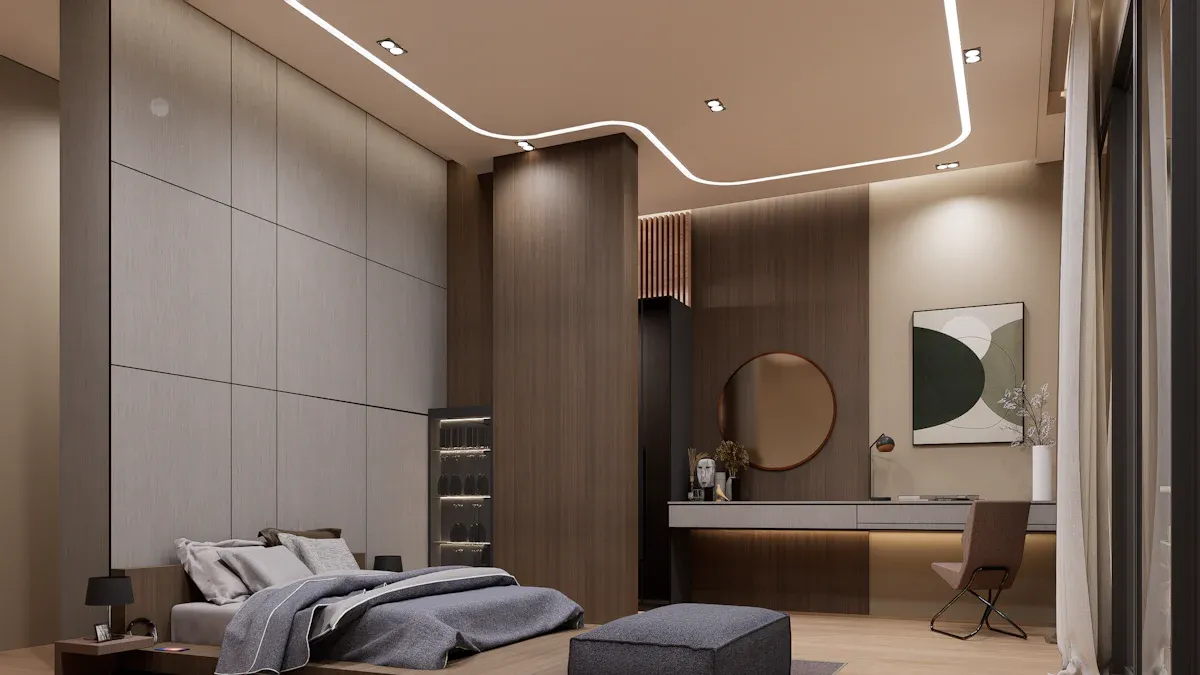
For hotel projects in 2025, Branded Hotel Supporting Furniture will prioritize multi-functional, technologically integrated, and sustainably sourced pieces. These elements significantly enhance guest experience and operational efficiency. Hotel Engineering Furniture Customization becomes essential for unique brand identities. A reputable custom hotel furniture manufacturer provides tailored solutions. Selecting an experienced hotel project furniture supplier ensures quality. A Hotel Furniture Manufacturer with 10+ Years Experience offers invaluable insight into these evolving demands.
Key Takeaways
- Hotels will use furniture that does many jobs. This helps save space and makes guests happy.
- New hotel furniture will have technology built in. This includes wireless chargers and smart lights for easy use.
- Hotels will choose furniture made from earth-friendly materials. This helps the planet and makes guests feel good.
- Hotels will order special furniture made just for them. This helps make each hotel look unique and special.
- Hotel furniture needs to be strong and easy to clean. This makes it last longer and saves money.
Multi-Functional and Adaptable Branded Hotel Supporting Furniture
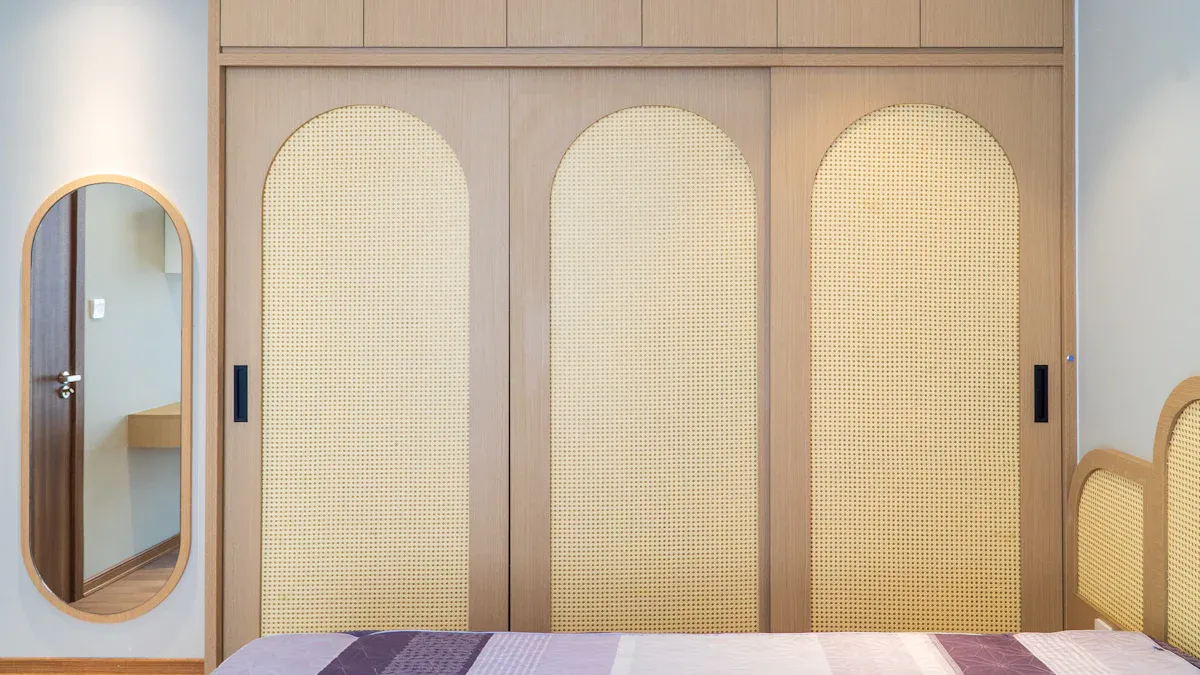
Hotels increasingly adopt multi-functional and adaptable Branded Hotel Supporting Furniture to optimize space and enhance guest experiences. This trend reflects a growing demand for versatile environments.
Modular Seating Systems for Dynamic Spaces
Modular seating systems offer hotels significant flexibility. These adaptable pieces allow staff to reconfigure lobby areas, lounges, and common spaces quickly. Hotels can easily transition from a casual gathering spot to a formal meeting setup. This versatility accommodates various guest needs throughout the day. It also maximizes the utility of every square foot within the property.
Convertible Workstations for Guest Rooms
Guest rooms benefit greatly from convertible workstations. These innovative designs maximize limited space. Jennifer Jones of Niche Interiors notes that “Murphy beds and sofa beds are fantastic solutions for accommodating guests while maintaining plenty of usable space for other daily activities.” Many designs feature a wall-mounted Murphy bed, separating sleeping and working areas. Other options include a desk that rolls forward, revealing a pull-down double bed. Some solutions hide a king-size Murphy bed behind a wall panel, transforming a media room into a luxurious guest suite. These pieces allow a single room to function as both a comfortable bedroom and an efficient home office.
Dual-Purpose Storage Units
Smart storage solutions also play a crucial role in modern hotel design. Open closets exemplify dual-purpose units. They serve as practical storage while simultaneously enhancing room aesthetics. These units often feature customizable components, allowing guests to adjust shelves and compartments. This provides personalized storage options. Many designs include illuminated interiors with automatic lighting, making item retrieval easy. This enhanced visibility eliminates hidden corners. It helps guests locate belongings quickly. The absence of bulky doors contributes to a more spacious and uncluttered environment, particularly in smaller rooms.
Technologically Integrated Branded Hotel Supporting Furniture
Modern hotels increasingly integrate technology into their furnishings, creating a seamless and convenient guest experience. This trend transforms traditional pieces into smart, responsive elements.
Wireless Charging Surfaces in Guest Areas
Wireless charging surfaces have become a standard expectation in contemporary hotel design. Guests can effortlessly power their devices by simply placing them on designated spots on nightstands, desks, or common area tables. This eliminates the need for multiple cables and adapters, reducing clutter and enhancing convenience. Hotels provide a modern amenity that caters to the tech-savvy traveler.
Integrated Smart Lighting and Climate Control
Integrated smart lighting and climate control systems offer guests personalized comfort and energy efficiency. Furniture pieces, such as headboards or side tables, often house intuitive controls for room temperature and lighting. Guests adjust settings with a simple touch or through a mobile app, creating their preferred ambiance. These systems also allow hotels to optimize energy consumption, aligning with sustainability goals.
Interactive Digital Displays within Furniture
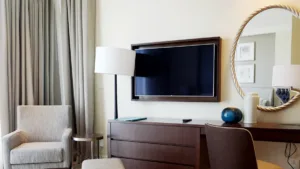
Interactive digital displays represent a significant advancement in Branded Hotel Supporting Furniture. These displays, embedded in desks, mirrors, or lobby tables, invite guests to explore hotel services effortlessly. Guests can book spa appointments or discover dining options with a tap. These features enable guests to explore hotel amenities, make dining reservations, and navigate to their rooms. Multimedia elements like video, animation, and live feeds enrich the guest experience, keeping the environment engaging and vibrant. Touch screens provide easy access to hotel services, local maps, and personalized recommendations. Interactive digital displays can also offer maps of events and local surroundings, making it easier for guests to navigate within the hotel and its vicinity, thereby enhancing their overall experience.
Sustainable and Wellness-Focused Branded Hotel Supporting Furniture
Hotels increasingly focus on sustainable and wellness-focused Branded Hotel Supporting Furniture. This trend reflects a growing commitment to environmental responsibility and guest well-being.
Eco-Friendly Materials and Transparent Sourcing
Hotels prioritize eco-friendly materials and transparent sourcing for their furniture. This commitment reduces environmental impact and appeals to conscious travelers. Manufacturers utilize organic fabrics like cotton, wool, and hemp, grown with green farming methods. They also incorporate fast-growing bamboo, known for its strength and durability in boards and panels. Sustainable wood, such as pine, oak, and maple, comes from managed forests where suppliers carefully select and replace trees. Cork, a renewable resource, offers lightweight and insulating properties for various furniture pieces. Reclaimed materials give items a second life, significantly reducing waste. Recyclable materials like wood, metal, and glass also feature prominently. Some suppliers use FSC-certified wood, recycled steel, and non-toxic finishes, ensuring a comprehensive approach to sustainability.
Biophilic Design Elements for Connection to Nature
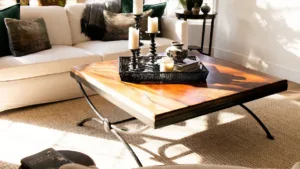
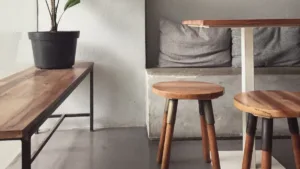
Biophilic design elements connect guests with the natural world, enhancing their well-being. Furniture designers integrate natural materials like wood into hotel spaces. Wood’s inherent warmth and organic texture soften modern interiors. Innovative textured materials, such as moss, create focal pieces, offering an alternative to traditional fabrics or paint. Teak wood furniture, including benches, tables, and loungers, brings nature indoors. These pieces serve functional roles while providing comfort and beauty. Teak’s warm hues contribute to guest satisfaction and calmness. This approach fosters a serene and inviting atmosphere throughout the hotel.
Ergonomic and Health-Conscious Designs
Ergonomic and health-conscious designs are crucial for guest comfort and well-being. Hotels select furniture that provides proper body support, reducing strain. Ergonomic beds feature adjustable firmness and supportive mattresses, enhancing sleep quality. High-quality materials ensure durability and elegance. Dining chairs offer proper posture support and comfortable upholstery. Bar stools include supportive backrests and adjustable heights. Lounge chairs provide adjustable seat heights and supportive backrests for optimal comfort. For business travelers, desk chairs feature adjustable seats, backrests, and lumbar support, reducing lower back strain. These designs prioritize coziness, usability, adaptability, and accessibility, accommodating diverse guest needs. Mattresses offer balanced support, and adjustable headboards allow for added relaxation. Pillow options cater to individual preferences, from soft to firm. This focus on ergonomics ensures a comfortable and rejuvenating stay for every guest.
The Rise of Custom and Bespoke Branded Hotel Supporting Furniture
Hotels increasingly recognize the strategic advantage of custom and bespoke furniture. This approach allows them to craft unique environments that resonate deeply with their brand identity and guest expectations.
Tailored Solutions for Unique Hotel Brands
Custom furniture significantly enhances a hotel’s brand image. This leads to increased bookings, improved reviews, and higher guest satisfaction. This investment offers substantial returns in both quality and reputation over the long term. Custom furniture allows hotels to match designs precisely with their theme and branding. It enables the creation of one-of-a-kind interiors that distinguish a hotel from competitors. Hotels select high-quality materials that truly reflect their unique personality. Custom pieces ensure every element aligns with the property’s overall aesthetic, reinforcing brand identity. Custom furniture serves as a direct reflection of a hotel’s brand, values, and the desired guest experience. It allows for tailoring every aspect of the space to meet the target audience’s needs and preferences, creating a unique sense of style and sophistication.
Prioritizing Long-Term Value and Quality
Investing in high-quality, bespoke hotel furniture offers significant long-term financial benefits. These include substantial cost efficiency due to the durability of commercial-grade and custom pieces. This leads to reduced replacement and maintenance expenses over time. Commercial-grade furniture often includes warranties and support. This offers reassurance and potential cost savings on future replacements or repairs, thereby significantly decreasing maintenance costs and downtime. While the initial investment for commercial-grade and custom furniture might be higher, their superior durability leads to lower replacement costs over time. This results in substantial long-term savings.
Personalization for Enhanced Guest Experience
Custom furniture effectively communicates a brand’s personality and creates a unique atmosphere that resonates with guests. Guests remember and recommend establishments that offer a distinctive ambiance and thoughtfully designed spaces. Investing in these pieces positions a business as a leader in quality and guest satisfaction, fostering loyalty and encouraging repeat bookings. Custom hotel furniture allows for unique and memorable designs that reflect a hotel’s brand and personality, moving beyond generic options. It prioritizes guest comfort and functionality by allowing tailoring of dimensions, ergonomics, and cushioning for items like sofas, chairs, and beds. This investment enhances the overall guest experience by creating inviting spaces, such as thoughtfully designed lobbies and comfortable guest rooms, making stays more enjoyable and memorable.
Durability and Maintenance in Branded Hotel Supporting Furniture
Hotels prioritize durability and ease of maintenance for their furniture. This focus ensures longevity and preserves aesthetic appeal in high-traffic environments.
Selecting Robust Materials for High Traffic
Choosing robust materials is crucial for hotel furniture in high-traffic areas. These materials withstand constant use and minimize wear. For scratch-prone horizontal surfaces, such as writing desks, breakfast area tables, and reception counters, quartz offers excellent resistance. Furniture designers often incorporate metal accents into dressers and nightstands. These accents protect against corner damage. Rigid vinyl edges and tube steel also provide protection against dings. Laminate, especially HP laminate, serves as a cost-effective and durable option for furniture surface finishes. HP laminate works well for horizontal surfaces due to its rigidity and impact resistance. LP laminate suits vertical surfaces. For metal mouldings, baked-on or powder coating finishes are significantly more durable than brush-painted alternatives. A “crosslinking” process creates a homogenous, irreversible surface, enhancing their resilience.
Design for Easy Cleaning and Upkeep
Furniture design also considers easy cleaning and upkeep. Hotels need pieces that staff can quickly and efficiently maintain. Smooth, non-porous surfaces prevent dirt and spills from penetrating, making wiping down simple. Removable cushions and upholstery allow for targeted cleaning or replacement. Designers often specify stain-resistant fabrics and finishes. These materials repel liquids and resist discoloration. Thoughtful construction minimizes crevices where dust and debris can accumulate. This approach reduces cleaning time and labor costs for hotel operations.
Longevity and Return on Investment
Investing in high-quality, durable furniture provides significant longevity and a strong return on investment. Hotels benefit from reduced replacement cycles and lower maintenance expenses.
| Furniture Type | Average Lifespan (Years) |
|---|---|
| High-Quality Hotel | 10+ (with proper care) |
| Standard Hotel | 7 |
| Standard Furnishings | 5-7 |
High-quality hotel furniture, with proper care, often lasts over 10 years. This contrasts with standard hotel furniture, which typically lasts about 7 years, and standard furnishings, which last 5-7 years. This extended lifespan means hotels replace furniture less frequently. It also ensures a consistent guest experience over many years. This strategic investment ultimately saves money and enhances the hotel’s reputation for quality.
Aesthetic and Style Considerations for Branded Hotel Supporting Furniture
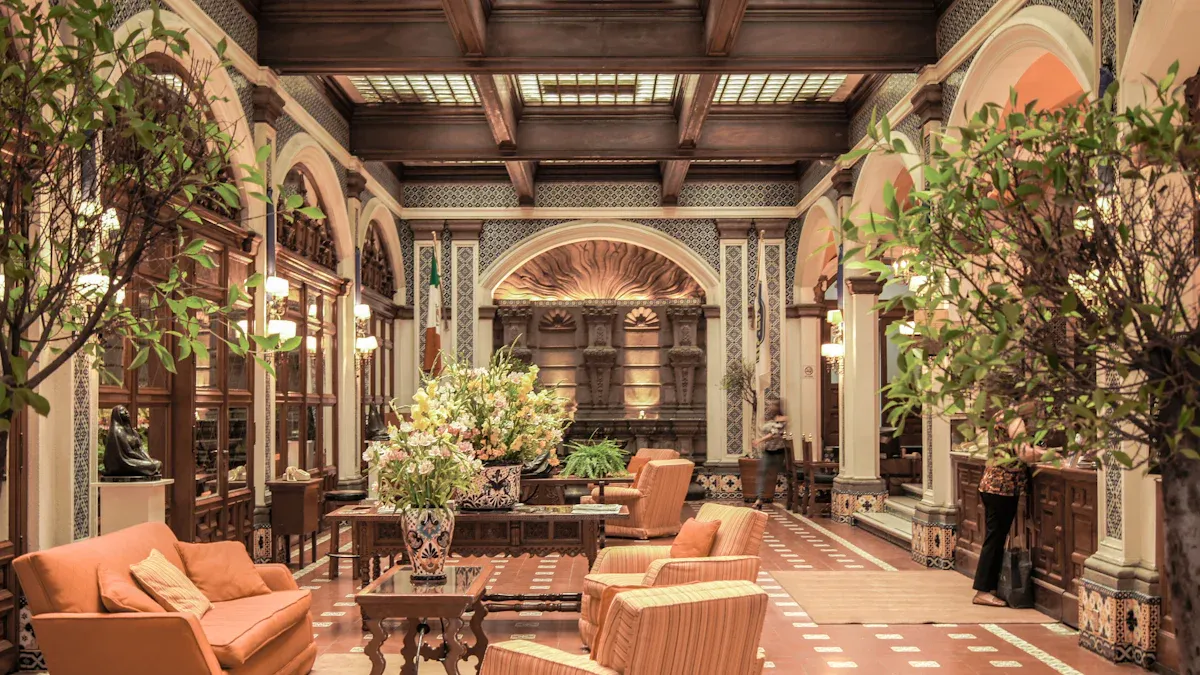
Hotels carefully consider aesthetics and style for their furniture. This ensures a cohesive guest experience and reinforces brand identity.
Reflecting Brand Identity Through Design
Furniture design directly reflects a hotel’s brand identity. Custom furniture bridges functionality and storytelling. It creates an environment guests associate with the brand. The choice of materials, colors, and design elements makes intentional statements about the brand. Bespoke headboards can mirror a city’s skyline for a luxury hotel. This creates an immersive guest experience. Lobby seating can combine bold fabrics and clean lines. This evokes a region’s rich cultural heritage. Regional storytelling incorporates elements like driftwood-inspired accents for beachfront resorts. Polished metals and geometric forms suit sleek urban hotels. Custom furniture allows hotels to adapt trends. This reinforces their specific brand identity. Every piece of furniture in a hotel contributes to the overall impression guests form. It acts as a powerful extension of the brand’s identity.
Open Space Concepts and Flexible Layouts
Modern hotel design embraces open space concepts and flexible layouts. Hotels maximize space with off-the-floor furniture and vertical storage. This includes floating furniture, wall-mounted desks, and built-in luggage benches. Tall cabinets and under-bed storage create open, efficient spaces. Multifunctional furniture allows adaptable layouts. Murphy or sofa beds, ottomans with hidden storage, and folding tables serve multiple purposes. Modular furniture enables customizable room configurations. Interchangeable components easily reconfigure spaces based on guest needs. This avoids major renovations.
“To address this complexity, designers should conceive of the lobby as a multi-functional canvas. Instead of a one-size-fits-all layout, they should strategically carve out distinct zones within the lobby, each purposefully designed to cater to specific guest activities. These zones might encompass areas for lounging, dining, working, and socializing.” Carla Neimann — Senior Vice President of Design & Architecture, Premier
Designers use smart design for cohesive elements. This helps guests understand where one space ends. Operable sliding walls with clear panels demarcate sections. Flexible design features like sliding room dividers adapt prefunction areas. Common areas facilitate diverse uses. These include restaurants, bars, and work areas.
Decorative Lighting with Character
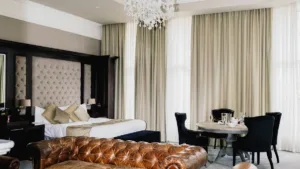
Decorative lighting adds character and ambiance to hotel spaces. It adds style beyond basic function. It showcases the hotel’s unique personality. It defines atmosphere and reinforces brand identity. Statement fixtures are instantly noticeable pieces. They engage guests. Large crystal chandeliers offer classic elegance. Oversized pendants with sharp angles suit modern minimalism. Art-inspired fixtures provide visual storytelling. Hotel lobby chandeliers come in various designs. They offer a luxurious look. Wall lighting and sconces create a uniform design. They provide indirect lighting. Lamps and floor fixtures accentuate detail. They offer both form and function.
In 2025, Branded Hotel Supporting Furniture will prioritize multi-functionality, seamless technological integration, and a strong commitment to sustainability and guest wellness. The emphasis on custom and bespoke solutions will further elevate guest experiences and operational value. Hotels must strategically select durable, aesthetically pleasing, and easy-to-maintain furniture for their projects. These trends collectively drive enhanced guest satisfaction and operational efficiency for hotels.
FAQ
How does multi-functional furniture benefit hotels?
Multi-functional furniture optimizes space and enhances guest experiences. It allows hotels to reconfigure areas quickly, adapting to various guest needs throughout the day. This versatility maximizes the utility of every square foot within the property.
What are the key features of technologically integrated furniture?
Technologically integrated furniture includes wireless charging surfaces, smart lighting, and climate control. It also features interactive digital displays. These elements provide seamless convenience, allowing guests to control their environment and access hotel services effortlessly.
Why is sustainable furniture important for hotels?
Sustainable furniture reduces environmental impact and appeals to conscious travelers. Hotels prioritize eco-friendly materials and transparent sourcing. This commitment aligns with environmental responsibility and enhances the hotel’s reputation among guests.
How does custom furniture enhance a hotel’s brand identity?
Custom furniture allows hotels to match designs precisely with their theme and branding. It creates unique interiors that distinguish a hotel from competitors. This investment reinforces brand identity, leading to increased bookings and higher guest satisfaction.