
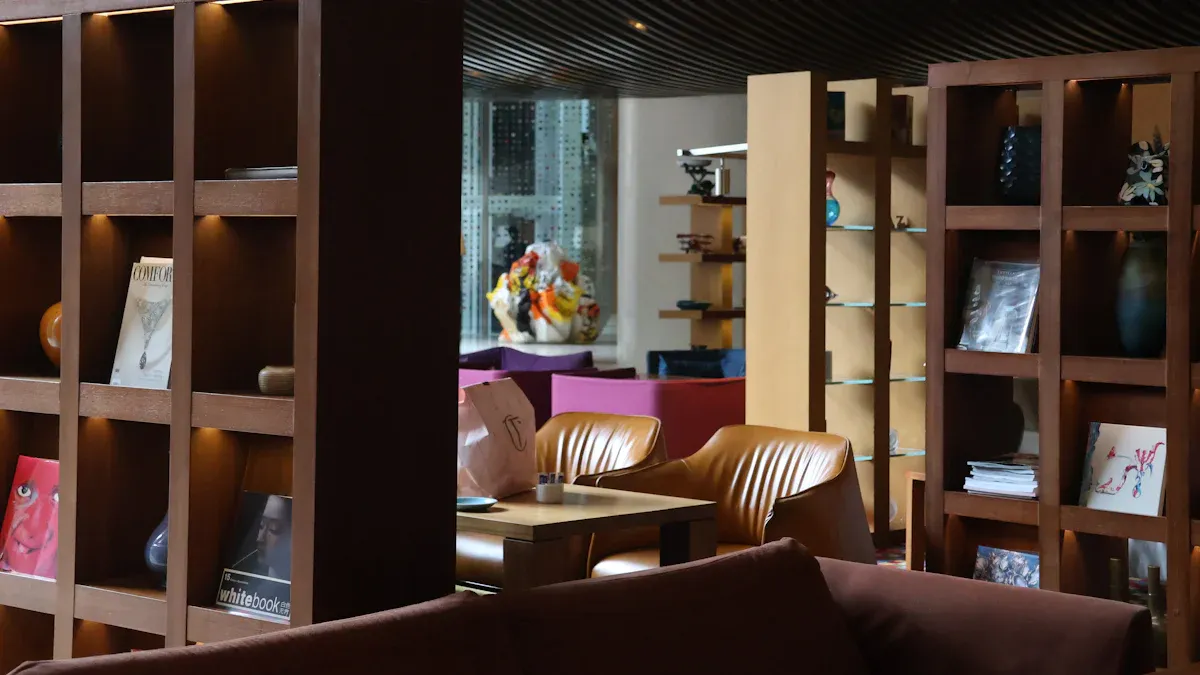
Custom furniture represents a strategic investment. It significantly elevates a hotel project’s overall value. Hotels investing in custom furniture have shown a 35% improvement in guest satisfaction. This directly enhances guest satisfaction, optimizes design, and drives long-term financial returns. Investing in custom pieces directly contributes to a superior guest experience, operational efficiency, and a stronger brand identity. What Is Custom Furniture for Hotel Projects? It transforms hotel spaces into unique, memorable destinations. This directly impacts profitability and asset appreciation. Why Choose Custom Furniture for Hotel Projects? Taisen provides OEM Hotel Furniture and a comprehensive Hotel Furniture ODM Service, offering a One-stop Hotel Furniture Service for diverse needs.
Key Takeaways
- Custom furniture makes hotel guests happier. It offers comfort and unique designs.
- Custom furniture helps hotels use space better. It fits perfectly and makes rooms look good.
- Custom furniture lasts longer. It costs less to fix or replace over time.
- Custom furniture helps hotels make more money. It attracts more guests and builds brand loyalty.
Elevating Guest Experience with Custom Furniture for Hotel Projects
Unmatched Comfort and Functionality
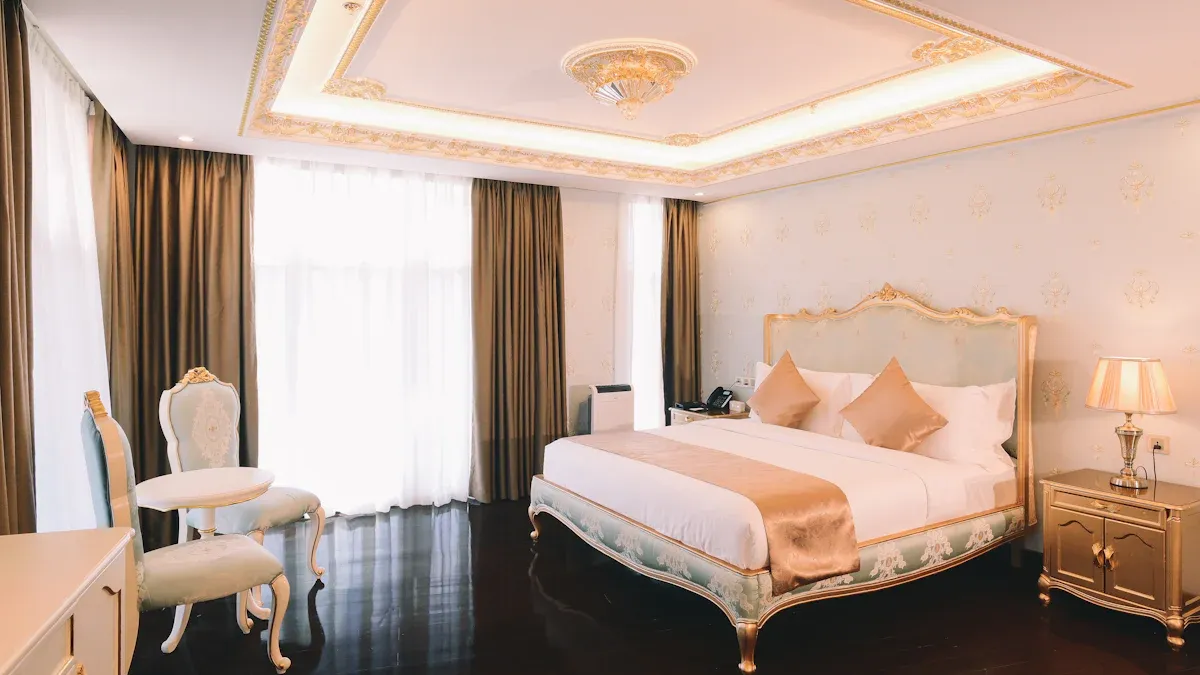
Custom furniture significantly enhances guest comfort and functionality. Ergonomic design is crucial for guest comfort. It focuses on providing support and ease of use. This ensures furniture fits people’s physical abilities and limitations. Hotels can offer guests a superior experience by providing height-adjustable desks, ergonomic chairs, and plush mattresses. These elements allow guests to tailor their surroundings to individual needs. Soft lounge seating encourages relaxation. Extra-thick foam in custom banquettes provides enhanced comfort. High-end fabrics, such as performance velvet or leather, resist wear while maintaining an upscale aesthetic. Modular seating and adaptable tables offer flexibility. Guests configure spaces to their comfort and needs. Warm, soft lighting (2700-3000 Kelvin) creates a welcoming ambiance.
Consistent Brand Storytelling
Custom furniture fundamentally shapes the guest experience. It reinforces a hotel’s unique story. Custom pieces create emotional connections. They make guests feel valued and at home. This leads to a cohesive, inviting, and unforgettable ambiance. Custom FF&E (Furniture, Fixtures, and Equipment) acts as a tangible extension of the hotel’s brand identity. It differentiates the hotel in the market. Design choices, like driftwood accents for a beachfront resort or polished metals for an urban hotel, make intentional statements. These choices define the space’s feel and reinforce the brand. Custom items serve as tangible assets. They make a hotel’s brand story believable and true. They reflect the hotel’s theme. For example, custom wooden risers or etched motifs can reference local culture for a heritage-themed hotel. Sleek, unadorned structures suit ultra-modern minimalism. This strategic use of Custom Furniture for Hotel Projects allows the brand’s voice to speak to its audience.
Memorable and Unique Stays
Custom furniture creates memorable and unique stays for guests. Headboards crafted from locally sourced wood reflect regional materials and motifs. Lobby tables inspired by the area’s natural landscapes add authenticity. Artistic sculptural benches with flowing curves or local cultural symbols serve as art pieces. They encourage guest interaction and photography. Oversized custom reception desks feature soft curves, striking silhouettes, integrated lighting, or water features. These desks become visual centerpieces. Custom bookshelves or display cabinets filled with books, local art, or curated objects tell the hotel’s story. They offer guests something to explore. Modular sofas with varied textures and fabrics create flexible, semi-private seating areas. Capsule lounge pods offer semi-private single seats or mini cubicles. They come equipped with charging ports and reading lights for quiet work or relaxation. Custom coffee tables with built-in charging ports, sensor lights, or small plant landscapes enhance convenience and add character. Plush high-back chairs offer both comfort and style, making guests feel at home.
Optimizing Design and Space Utilization with Custom Furniture for Hotel Projects
Perfect Fit and Aesthetic Integration
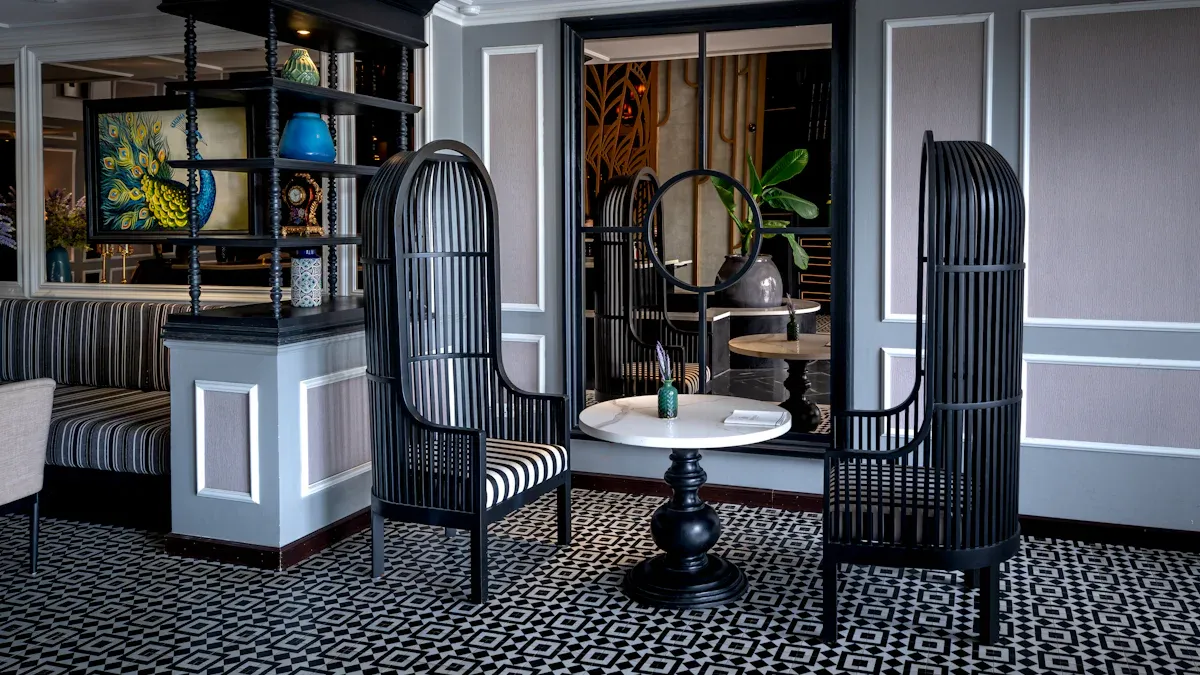
Custom furniture offers a precise solution for hotel interiors. Designers meticulously craft each piece to integrate flawlessly with existing elements. This showcases a harmonious blend of functionality and visual appeal. Hotels reflect their unique brand identity in every aspect of their interior decor. This ranges from sleek modern designs to ornate historical details. Custom furniture becomes an important storytelling element. It contributes to a captivating narrative that resonates with guests. Designs are tailored to meet specific project requirements. This ensures seamless integration into various areas like guest rooms, lobbies, and restaurants. It considers space constraints and layout. Multifunctional furniture for compact rooms optimizes space without compromising comfort or aesthetics. Thematic elements, such as coastal resort or urban industrial, are incorporated through color schemes and material choices. This creates a cohesive and immersive guest experience.
Maximizing Usable Space
Custom furniture excels at maximizing usable space, particularly in compact hotel rooms or suites. Foldable desks offer adaptable and functional solutions. Multifunctional seating serves multiple purposes. Reconfigurable layouts allow rooms to feel open and efficient. A sofa that doubles as a bed or a table that folds away when not in use exemplifies modular solutions. Wall-mounted or slimline desks are ideal for work and leisure. Multi-purpose armchairs serve as both seating and decor. Modular seating arrangements are easily reconfigured to suit different needs. Slim-profile sofas and loveseats offer ample seating without overwhelming the space. Benches and armless chairs take up less room. Guests tuck them under tables when not in use. Wall-mounted desks, floating shelves, and folding tables free up floor space. Loft beds allow furniture placement underneath. Bunk beds are space-saving options. Beds can also be sunk into the wall with foot levels and divisions, resembling a capsule. Multifunctional furniture, such as an ornament that doubles as hidden storage, helps keep rooms clutter-free.
Reflecting Unique Design Vision
Custom furniture allows a hotel to reflect a unique design vision that off-the-shelf options cannot. Unlike generic pieces, custom items define a hotel’s identity through material, form, and feel. Off-the-shelf furniture often has generic dimensions. These dimensions clash with the proportions of boutique spaces. They appear too bulky in a narrow corridor or too small for a grand lobby. Custom furniture, by contrast, is tailored to the exact scale of the room. It reinforces flow, sightlines, and spatial harmony. Its flexibility allows choices in finishes, fabrics, and forms without limitation. This ensures every detail reflects the property’s vision. Designers push boundaries with curves, textures, and silhouettes. This reinforces a property’s personality. Architects integrate furniture into the building’s original character. Owners align every guest touchpoint with the brand promise. Custom Furniture for Hotel Projects allows owners and designers to tailor furnishings to their specific requirements. This enhances visual appeal and provides a sense of exclusivity and luxury.
Enhancing Durability and Operational Efficiency with Custom Furniture for Hotel Projects
Superior Quality and Longevity
Custom hotel furniture offers superior quality and longevity. This directly translates into long-term value for hotel projects. Hotels subject furniture to heavy use and constant wear. Therefore, investing in high-quality materials is essential. These materials are built to last. Regular maintenance and inspections identify issues early. This prevents further damage. The choice of materials directly impacts furniture durability and functionality. It is vital to select materials that withstand daily use. They must also complement the overall design.
| Material Type | Examples/Specifics | Key Characteristics/Benefits |
|---|---|---|
| Wood | Oak, Cherry, Mahogany, Maple (hardwoods); Pine, Cedar (softwoods) | Timeless, classic, adds warmth/sophistication; durability varies by type; requires consideration of finish and maintenance for longevity. |
| Metal | Stainless Steel, Aluminum, Iron | Sleek, modern, durable, strong; resistant to rust/corrosion; low maintenance; can be customized with finishes like powder coating or chrome plating. |
| Upholstery | Velvet, Leather, Cotton, Polyester, Microfiber | Adds comfort and style; luxurious feel (velvet, leather); stain-resistant and easy to maintain (polyester, microfiber); crucial for guest comfort. |
| Other Materials | Glass, Plastic, Composite (MDF, Plywood) | Glass: sophistication, transparency (tables, shelves). Plastic: lightweight, affordable, easy to clean (outdoor, high-traffic). Composite: balance of affordability and durability. |
Custom hotel furniture generally boasts a longer lifespan than mass-produced options. Manufacturers construct it with superior care and attention to detail. This allows hotels to select durable materials. These materials withstand high guest turnover. Common choices include solid wood, commercial-grade fabrics, and reinforced frames. These choices contribute to reduced replacement and repair costs over time.
Reduced Maintenance and Replacement Costs
The enhanced durability of custom furniture directly leads to reduced maintenance and replacement costs. Custom hotel furniture offers a longer lifespan compared to mass-produced alternatives. It is built with higher quality materials and construction standards. This increased durability and longevity lead to long-term savings for hotel owners. They reduce the need for frequent replacements. A Cornell study indicates that hotels utilizing high-quality custom furniture can achieve a reduction in replacement costs of up to 30% over a five-year period. This significant saving highlights the financial benefits of a strategic investment in custom pieces.
Streamlined Housekeeping Operations
Custom furniture design significantly contributes to more efficient housekeeping operations.
- Durability reduces maintenance. Custom furniture uses commercial-grade materials and construction. This minimizes damage. It reduces maintenance requests and room downtime.
- Easy-to-clean designs are possible. Furniture can feature rounded corners, seamless surfaces, and elevated bases. These facilitate quick cleaning. They ensure higher cleanliness standards.
- Standardized components allow easier repair. Custom suppliers design furniture with modular components. This allows replacement of individual parts, like a drawer front. It avoids replacing the entire unit. This significantly reduces repair time and cost.
- Maximizing space in challenging layouts is achievable. Custom bathroom furniture is built to exact specifications. It utilizes every inch of available space for storage. This creates a more functional and uncluttered environment.
- Integrated amenities and accessories are possible. Custom furniture allows built-in solutions. These include dedicated recesses for toiletries, pull-out hampers, and custom niches for hair dryers with integrated outlets. This prevents misplaced items. It keeps the room tidy.
Modular furniture supports operational efficiency. Designers create beds and other furniture with cleaning access in mind. This makes housekeeping easier. Standardized units lead to quicker room turnover. They require less on-site customization.
Driving Financial Returns and Asset Value with Custom Furniture for Hotel Projects
Custom furniture represents a strategic investment. It significantly enhances a hotel’s financial performance and long-term asset value. This specialized approach to furnishing directly impacts a hotel’s profitability and market position.
Increased Occupancy and Average Daily Rate
Custom furniture directly contributes to increased occupancy rates and a higher Average Daily Rate (ADR). Hotels with unique, well-designed spaces attract more guests. These guests often pay a premium for a distinctive experience. Custom pieces create a memorable aesthetic. This aesthetic differentiates the hotel from competitors. Guests seek out these unique environments. This increased demand allows hotels to command higher prices. The perceived value of a custom-furnished room translates into greater revenue per available room (RevPAR).
Stronger Brand Loyalty and Repeat Business
Custom furniture plays a crucial role in fostering stronger brand loyalty and encouraging repeat business.
"Custom furniture not only contributes to exceptional comfort but also becomes part of the hotel’s story—a unique showcase of craftsmanship that conveys the value placed on guest experience."
Custom furniture creates a memorable guest experience. It sets a hotel apart from standard options. The aesthetic charm of customized furniture acts as an unspoken ambassador for the brand. It profoundly influences guests’ perceptions from the moment they arrive. This strong first impression directly impacts customer loyalty and repeat business. Comfortable and stylish surroundings lead to positive associations, repeat visits, and favorable online reviews.
- Reinforces Brand Values and Aesthetic: Furniture communicates a hotel’s brand values and aesthetic. It sets guest expectations and cements the brand in their minds. Consistency across all areas strengthens brand identity and encourages loyalty.
- Storytelling and Theme Conveyance: Hotels use furniture to tell a story or convey a theme. Antique pieces create a historical feel. Modern designs suggest innovation. This makes the hotel memorable.
- Exclusivity and Uniqueness: Bespoke furniture offers exclusivity. It makes a property stand out. These custom pieces become iconic elements. They are memorable and shareable. This contributes to the hotel’s unique identity.
- Perceived Quality and Value: Guests notice investments in durable, high-quality furniture. They feel more comfortable and valued. This contributes to a positive overall experience. It increases the likelihood of return visits and recommendations.
Enhanced Long-Term Asset Valuation
Custom furniture significantly enhances a hotel property’s long-term asset valuation. It maximizes space utilization and maintains design cohesiveness. Custom pieces achieve perfect fits for unique room layouts. This optimizes every square foot. Manufacturers build custom furniture with commercial-grade materials for durability. This leads to longer furniture lifecycles. It also reduces replacement costs and minimizes operational disruptions. Custom furniture includes specific functional requirements. These include built-in USB ports, hidden storage, or modular configurations. It allows for brand differentiation. It creates signature looks that reflect the property’s unique identity and target market positioning.
Custom furniture, when evaluated through ROI, functions as a long-term asset rather than a consumable expense. Its extended lifespan, consistent performance, and ability to support brand and operational goals contribute measurable value over time. For decision-makers, understanding the impact of Custom Furniture for Hotel Projects often means recognizing it as part of a broader investment strategy, not just a short-term cost.
Custom furniture critically differentiates hotel projects. It offers a significant competitive advantage. It delivers tangible benefits across guest experience, design, operations, and financial performance. This ensures a strong return on investment. While the initial investment for custom furniture might be higher, its long-term return on investment is superior. This is due to its longevity and potential to command higher room rates. Strategic investment in custom pieces yields significant long-term value. It transforms hotels into highly desirable and profitable assets.
FAQ
What is the cost difference between custom and ready-made hotel furniture?
Custom furniture often has a higher initial cost. However, its superior durability and longer lifespan reduce replacement and maintenance expenses. This leads to greater long-term value and a stronger return on investment for hotel projects.
How does custom furniture impact a hotel’s design aesthetic?
Custom furniture allows hotels to achieve a perfect fit and aesthetic integration. Designers tailor each piece to the specific space and brand vision. This creates a unique, cohesive, and memorable environment that off-the-shelf options cannot match.
What are the durability benefits of custom hotel furniture?
Manufacturers build custom hotel furniture with high-quality, commercial-grade materials. This ensures superior durability and longevity. It withstands heavy use, reducing wear and tear. This minimizes the need for frequent repairs or replacements.
Can custom furniture improve guest satisfaction?
Custom furniture significantly enhances guest comfort and functionality. It provides tailored solutions for unique needs. This creates a more personalized and memorable stay. Guests appreciate the attention to detail and unique design elements.
Does custom furniture help maximize space in hotel rooms?
Yes, custom furniture excels at maximizing usable space. Designers create pieces to fit exact dimensions. They incorporate multi-functional features like fold-away desks or integrated storage. This optimizes layouts, especially in compact rooms, without compromising comfort or style.


